Last updated November 22, 2026
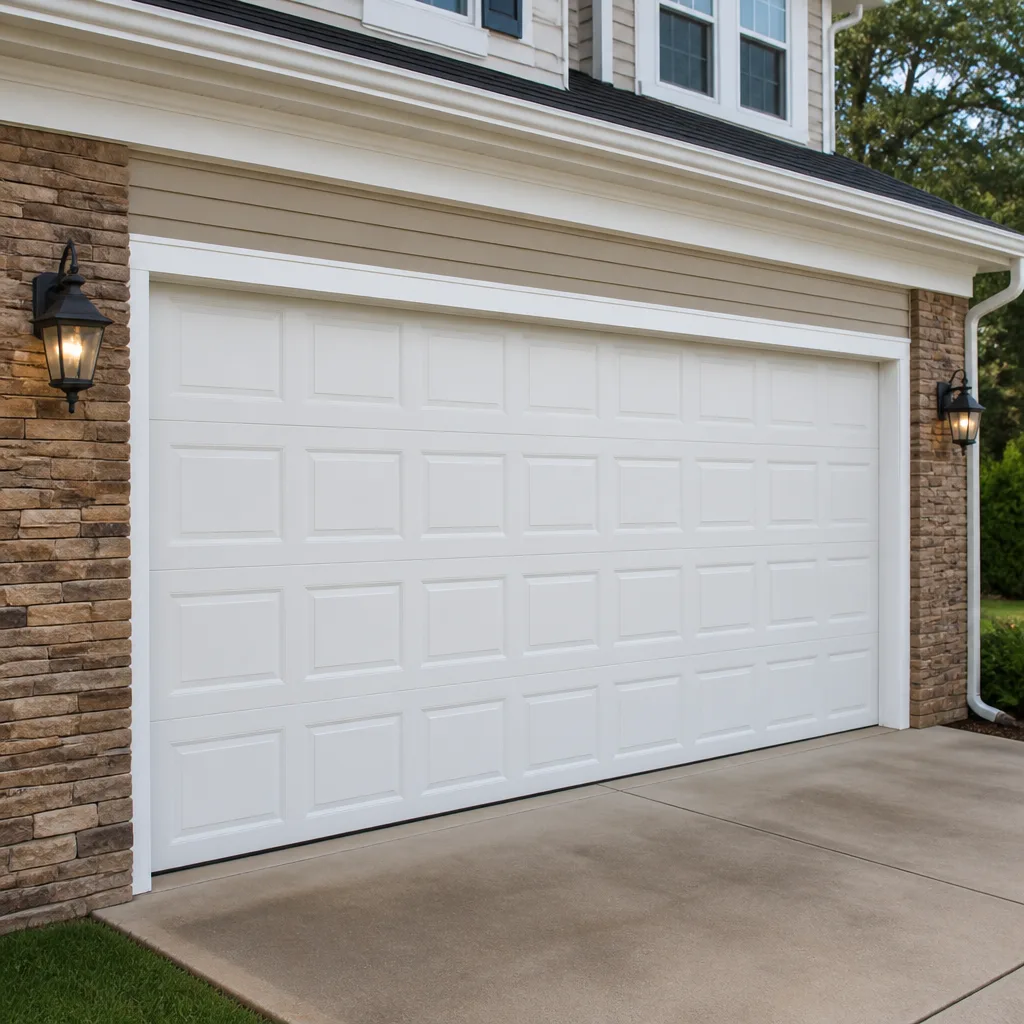 Raised-panel steel
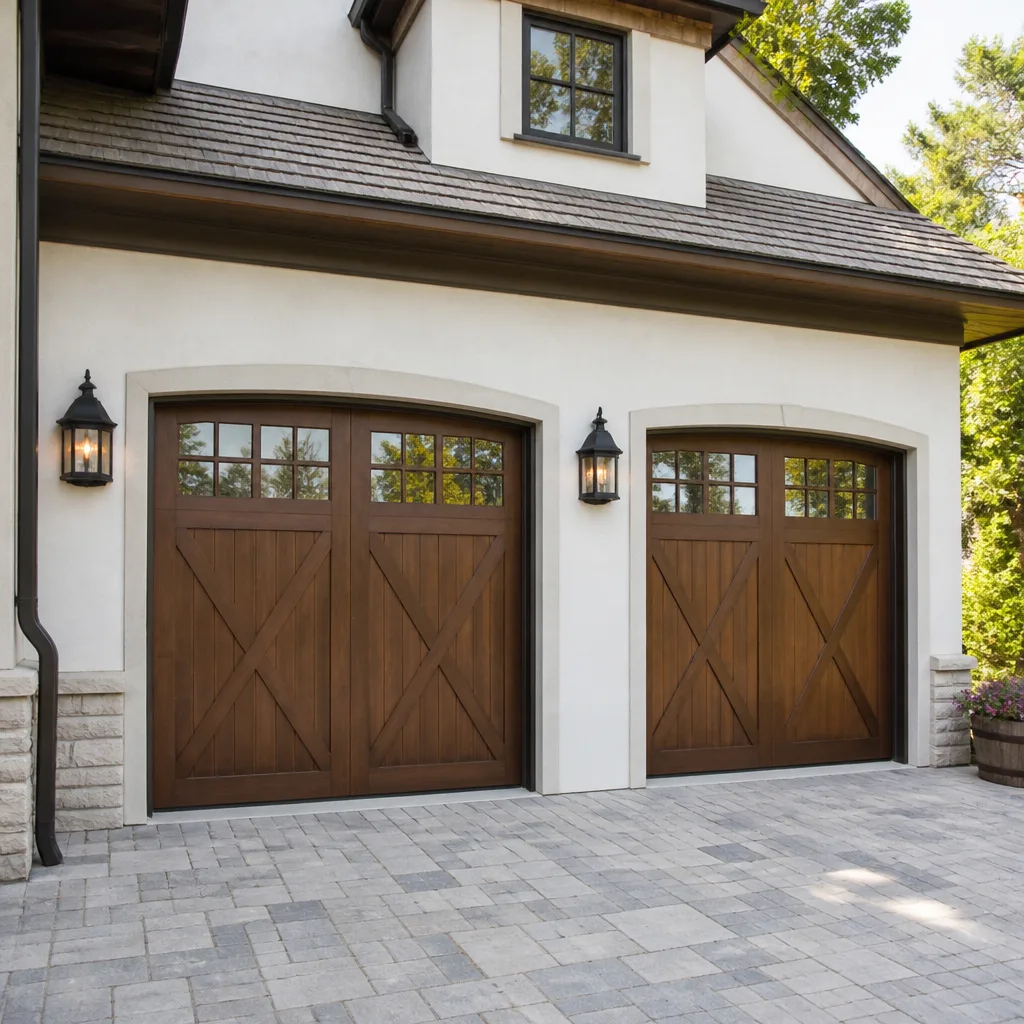 Carriage house
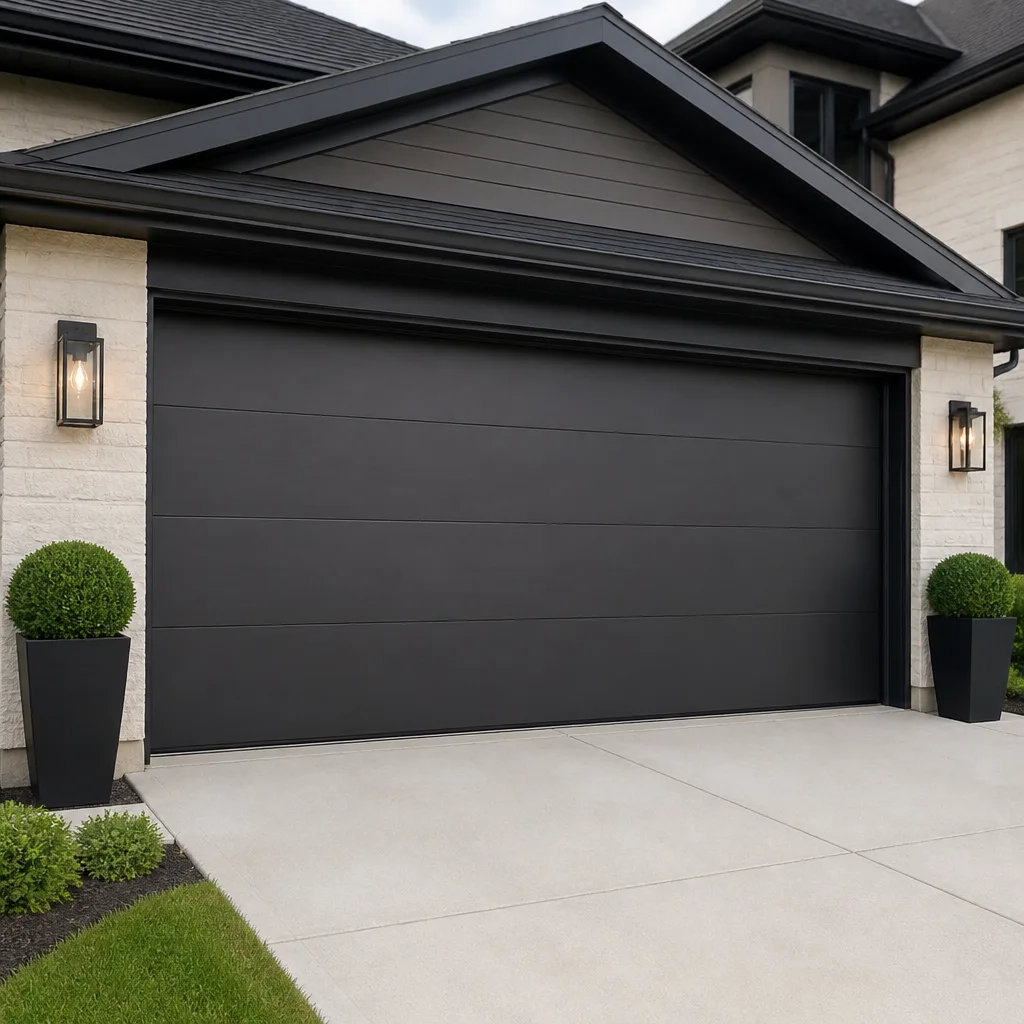 Modern flush
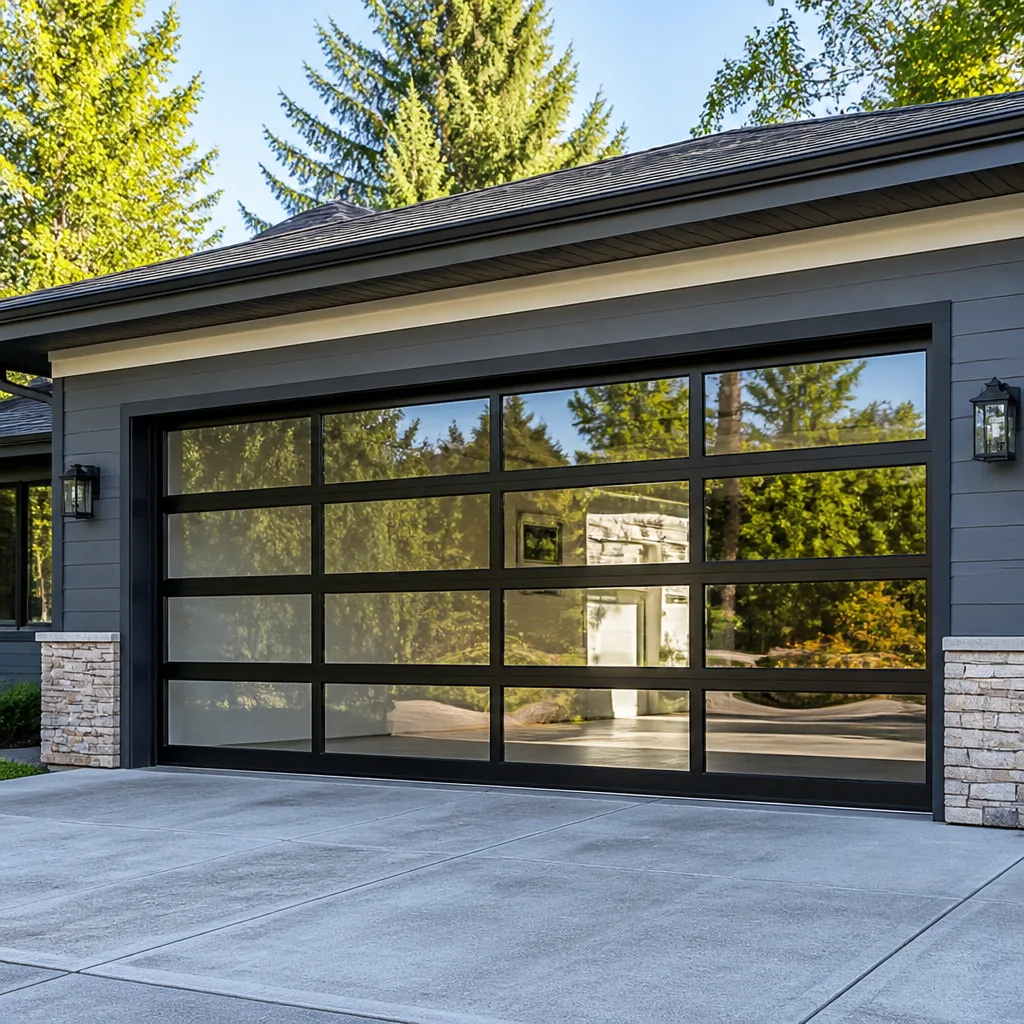 Full-view glass
 LiftMaster openers
 Chamberlain openers
Full 25-point door and opener safety check with every visit - springs, cables, rollers, tracks, and your LiftMaster or Chamberlain opener included
You get a price before we start. It does not change when the pro arrives.
Get your free estimateGarage Door Emergency Preparedness Guide for Youngstown Homes
Most garage door emergencies aren’t really about the door. They’re about timing. A torsion spring that lets go on a mild Tuesday afternoon is a nuisance you schedule around. That same spring failing during a February snowstorm in Youngstown, with your car trapped inside and the temperature in the teens, turns into a genuine problem you have to solve in the cold. The preparation work that separates those two scenarios takes about an hour and almost nobody does it. This guide covers what to check before winter, how to operate the emergency release safely, what to do during a power outage, and how to describe your system to a technician so the first visit is the only visit.
Quick Answer
Garage door emergencies in Youngstown are best handled by preparing before they happen: test the balance and safety reverse monthly, know your door’s weight and brand, keep the manual release accessible and unstuck, and have a battery backup or a plan for power outages. When a spring breaks or the door comes off its tracks, don’t force it. Call a specialist with the door’s brand and symptoms ready so the technician arrives with the right parts.
Styles & brands we work with
- Raised-panel steel
- Carriage house
- Modern flush
- Full-view glass
- LiftMaster openers
- Chamberlain openers
Table of Contents
- The Pre-Emergency Audit: Three Checks Before Winter
- How to Use the Emergency Release Cord Safely
- Door Weight: When One Person Should Not Lift It
- Power Outage Protocol and Battery Backup
- When the Door Is Stuck Open in Cold Weather
- What to Tell a Technician on the Phone
- Brand-Specific Quirks Worth Knowing
- Building a Year-Round Prevention Habit
The Pre-Emergency Audit: Three Checks Before Winter
Youngstown winters are hard on garage door hardware. The freeze-thaw cycle that runs from late fall into early spring works on metal, lubricant, and seals in ways that a mild climate never does. Three checks done in October or early November tell you whether your door will survive to spring or fail at the worst possible moment.
1. The balance test. Disconnect the opener using the release cord, then lift the door by hand to about halfway and let go. A properly balanced door stays put or drifts only slightly. A door that slams down or shoots up has a spring problem developing. Do this test with the door closed and the opener disengaged, and keep your hands clear of the hinges and the gap between sections.
2. The safety reverse test. With the door connected and the opener engaged, place a piece of wood or a rolled-up towel flat on the floor in the door’s path and close the door. It should reverse on contact. Then wave an object in front of the safety sensors at the bottom of the tracks while the door is closing. If either test fails, the opener needs attention before winter, not after.
3. The hardware inspection. Look at the springs above the door. Torsion springs run along a shaft above the opening; extension springs run alongside the horizontal tracks. Look for gaps in the coil, rust streaks, or a stretched, sagging appearance. Check the cables for fraying and the rollers for flat spots. Then look at the weather seal along the bottom and the sides. A seal that’s cracked or torn lets in meltwater that freezes the door to the floor overnight, and that’s one of the most common winter call-outs in Youngstown.
If any of these three checks turns up a problem, handle it in the fall. Spring and cable work is dangerous and should go to a trained technician. The rest, like lubricating rollers and hinges with a silicone-based spray, you can do yourself.
How to Use the Emergency Release Cord Safely
The emergency release cord is the red handle hanging from the opener trolley. Pulling it disconnects the door from the opener so you can move the door by hand. It’s the single most important piece of emergency hardware on your system, and it’s also the one most likely to fail when you need it because it’s rarely used and rarely checked.
Here’s how to operate it correctly:
- Make sure no one is standing in the door’s path and nothing is under the door.
- Stand to the side of the door, not directly under it, and grip the handle firmly.
- Pull straight down and slightly toward the door. The trolley should release with a distinct click.
- Lift the door slowly by hand using the bottom section, keeping your body clear of the hinges.
- Once the door is up, secure it before you walk away. A released door can drop.
In Youngstown, the release cord has a winter-specific problem: moisture gets into the trolley mechanism and the release lever, then freezes. A cord that feels stiff in October can be immovable in January. Test the release in fall and again mid-winter on a mild day. If it’s stiff, a technician can free it and lubricate the mechanism properly. Never yank on a frozen release; you can bend the lever or snap the cord.
If the door won’t release at all and you’re locked in or out, that’s a job for emergency service, not a pry bar. Forcing the trolley damages the opener and can drop the door.
Door Weight: When One Person Should Not Lift It
This is where preparation turns into safety. A single-car garage door typically weighs somewhere in the range of 130 to 180 pounds. A double-car door commonly runs 200 to 300 pounds, and insulated or wood doors can be heavier. Those numbers matter because once the springs are disconnected or broken, you’re lifting that weight by hand.
Here’s the honest rule: if a door is heavier than you can comfortably control with one hand on the bottom section and your feet planted, don’t lift it alone. That’s most double doors and many insulated single doors. Trying to muscle a 250-pound door with a broken spring is how people get hurt, and it’s how doors get bent out of square when one side comes up faster than the other.
What to do instead:
- If the door is down and the car is inside, leave it. Call for service and arrange alternate transportation.
- If you must lift a door to get a car out, get a second adult and lift together, one on each side, slowly and evenly.
- Never lift a door that’s off its tracks. The rollers can pop out and the door can come down.
- If the door is up and won’t come down, don’t try to lower it by hand while standing under it. Secure it and call.
A door that’s balanced and has working springs feels light, maybe 10 to 15 pounds of effort. If yours suddenly feels heavy, the spring has failed. Stop lifting and get it looked at. This is the safety-critical part of the whole system, and it’s exactly why garage door spring repair is work we treat with real care rather than a quick swap.
Power Outage Protocol and Battery Backup
Power outages in Youngstown come with ice storms, high wind, and the occasional transformer failure. When the power goes out, your opener is dead and the door is stuck where it stopped. If it stopped open, you have a security problem. If it stopped closed, you have a car you can’t move without using the release.
Battery backup is the clean solution. A backup unit mounts alongside the opener and runs the door for a limited number of cycles during an outage, usually enough to get a car in or out a few times. LiftMaster and Chamberlain both offer battery backup models, and some newer openers include it as standard. If you don’t know whether yours has one, look at the opener head for a battery compartment or check the model number against the manufacturer’s specs. Many older Genie and Craftsman units don’t have backup, and retrofitting depends on the model.
If you don’t have battery backup, your outage plan is the release cord:
- Disengage the opener with the release cord.
- Lift the door by hand if it’s light enough to control safely (see the previous section).
- Move the car in or out, then lower the door gently and re-engage the trolley by running the opener once power returns. On most units, you re-engage by pulling the cord back or by cycling the opener.
- If the door is too heavy to lift safely, leave it and wait. Don’t force it.
If you’re considering backup for a system that doesn’t have it, a technician can tell you whether your opener supports an add-on battery or whether a new opener makes more sense. That’s a conversation worth having before the storm, not during it.
When the Door Is Stuck Open in Cold Weather
A door stuck open during a Youngstown cold snap is two problems at once: a broken door and an open garage. You need to secure the opening without making the repair worse. The goal is a temporary barrier, not a fix.
What works:
- Park a vehicle close to the opening, inside or out, as a physical block. It won’t seal the space, but it discourages casual entry.
- If the door is partly down, don’t force it further. A partially closed door with a broken spring can drop the rest of the way.
- Use a heavy tarp or plywood across the opening from the inside if you can do it without climbing on the door or standing under it. Secure it to the framing, not the door.
- Pull anything valuable out of the garage and into the house until the door is fixed.
- Keep the release cord accessible so the technician can work the door when they arrive.
Don’t do these things: don’t prop the door with a broom handle or a board wedged under it (it can slip and the door can come down), don’t try to bend tracks back into shape to close the door, and don’t run the opener against a stuck door. That last one burns out the motor and turns a spring repair into a spring-plus-opener job. If the door is open and it’s cold, call for emergency service and get on the schedule. A properly secured temporary barrier plus a booked repair beats a creative repair attempt every time.
What to Tell a Technician on the Phone
The difference between a one-visit repair and a multi-day wait is often what you say on the phone. A technician who knows your door’s brand, age, and symptoms before arriving can load the right springs, cables, or opener parts. A technician who arrives blind may have to come back. Here’s the information to have ready.
- The brand and model. Look at the opener head and the door panels. Brands like LiftMaster, Chamberlain, Craftsman, Genie, Clopay, Amarr, Wayne Dalton, and Raynor all have identifying labels, and the door and opener are often different brands. Tell the technician both.
- What the door is doing. “Won’t open” is vague. “The opener hums but the door doesn’t move” points to a gear or trolley problem. “The door goes up six inches and stops” points to a spring or sensor issue. Describe the exact behavior.
- What it sounds like. A bang from above the door usually means a torsion spring broke. A grinding sound points to the opener gears. A rattle could be a loose roller or hinge.
- The door’s material and size. Single or double, steel, wood, aluminum, or insulated. This tells the technician what springs and hardware the door needs.
- Whether the door is up, down, or stuck partway. This determines whether the job is a standard repair or an emergency call, and it tells the technician what tools and safety gear to bring.
- Any prior repairs. If a spring was replaced a few years ago or the opener was swapped, say so. Mismatched parts are a common cause of repeat failures.
For opener-specific problems, the same detail helps. A LiftMaster myQ unit that won’t connect to Wi-Fi is a different call than a Genie that runs but won’t reverse. If you’re not sure what’s wrong, that’s fine too; the technician can troubleshoot on site. The point is to give them enough to prepare. If you’re dealing with an opener issue, garage door opener repair covers the common failure modes and what to expect.
Brand-Specific Quirks Worth Knowing
Every major brand has its own tolerances and habits, and knowing yours helps you describe problems accurately and understand what a repair involves. We work on the brand already in your garage, so we’ve seen the patterns.
LiftMaster and Chamberlain share a lot of engineering and are among the most common openers in Youngstown homes. Their myQ smart-home integration is useful, but it depends on a stable Wi-Fi connection and a properly paired hub. When the app stops working, the opener usually isn’t broken; the network pairing has dropped. Battery backup is available on many models, which matters for outage planning.
Craftsman openers are widely installed and often older. Parts are generally available, but on units that have been in service a long time, the logic board and gear assembly are the usual failure points. If your Craftsman opener is original to the house, it’s worth having a technician assess whether repair or replacement is the better call.
Wayne Dalton doors have their own track and hardware profiles, and some models use proprietary spring configurations. If you have a Wayne Dalton door, tell the technician the model so they bring the right springs. Generic replacements can fit poorly and wear faster.
Raynor doors are built for durability and often come with heavier-gauge hardware. On a Raynor, a balance problem is more likely to be a spring issue than a hardware failure, and the door’s weight means safe manual operation is especially important.
If you’re not sure what brand you have, a photo of the opener label and the door’s hinges sent to the technician ahead of the visit solves the problem. We service all the major residential brands, so there’s no need to guess.
Building a Year-Round Prevention Habit
Preparedness isn’t a one-time project. It’s a short routine that runs with the seasons. In Youngstown, the rhythm is simple: fall is for winter prep, spring is for damage assessment, and the monthly checks run all year.
Monthly (five minutes): Run the balance test and the safety reverse test. Look at the springs and cables. Listen for new sounds. Lubricate the rollers, hinges, and the spring with a silicone spray if they look dry.
Fall (before the first freeze): Do the full three-point audit. Test the release cord. Clear leaves and debris from the tracks and the bottom seal. Check the weather seal for cracks. If you have battery backup, replace the battery if it’s old. If you don’t, decide whether to add it.
Spring (after the thaw): Look for rust on the springs and tracks, check the seal again for winter damage, and test everything after months of heavy use. Freeze-thaw cycles do their damage quietly, and spring is when you find out.
Anytime: If something changes, don’t wait. A door that gets louder, slower, or heavier is telling you something. Catching a worn roller or a stretching spring before it fails keeps a repair small. Catching it after it fails in a snowstorm turns it into an emergency. For general repair needs, garage door repair is where to start, and for a full assessment of an older system, a technician can tell you what’s worth repairing and what’s due for replacement.
Common Mistakes to Avoid
- Forcing a frozen release cord. In a Youngstown January, a stiff cord can be frozen solid. Yanking on it bends the lever or snaps the cord, and then you’re locked out with no way to disengage the opener. Test it in fall and free it before the cold sets in.
- Lifting a heavy door alone. A double door can weigh 250 pounds or more. Trying to lift it solo when the spring has failed risks injury and can bend the door out of square. Get help or call for service.
- Running the opener against a stuck door. If the door won’t move, the opener will keep trying until the gear strips or the motor overheats. That turns a spring job into a spring-plus-opener job. Stop and call.
- Ignoring a small gap in the bottom seal. A cracked seal lets meltwater in, and that water freezes the door to the floor overnight. It’s a cheap fix that prevents a morning of chipping ice.
- Not knowing the brand. Telling a technician “it’s a garage door opener” doesn’t help them bring the right parts. Knowing whether you have a LiftMaster, a Chamberlain, or an older Craftsman saves a return visit.
- Prop door with a board or broom. A door held up by a prop can slip and come down. If the door is up and unsafe, secure the opening and call rather than rig a support.
- Skipping the fall audit. The single biggest predictor of a winter emergency is an October that went unchecked. An hour in the fall prevents most of the calls that happen in January.
See the difference
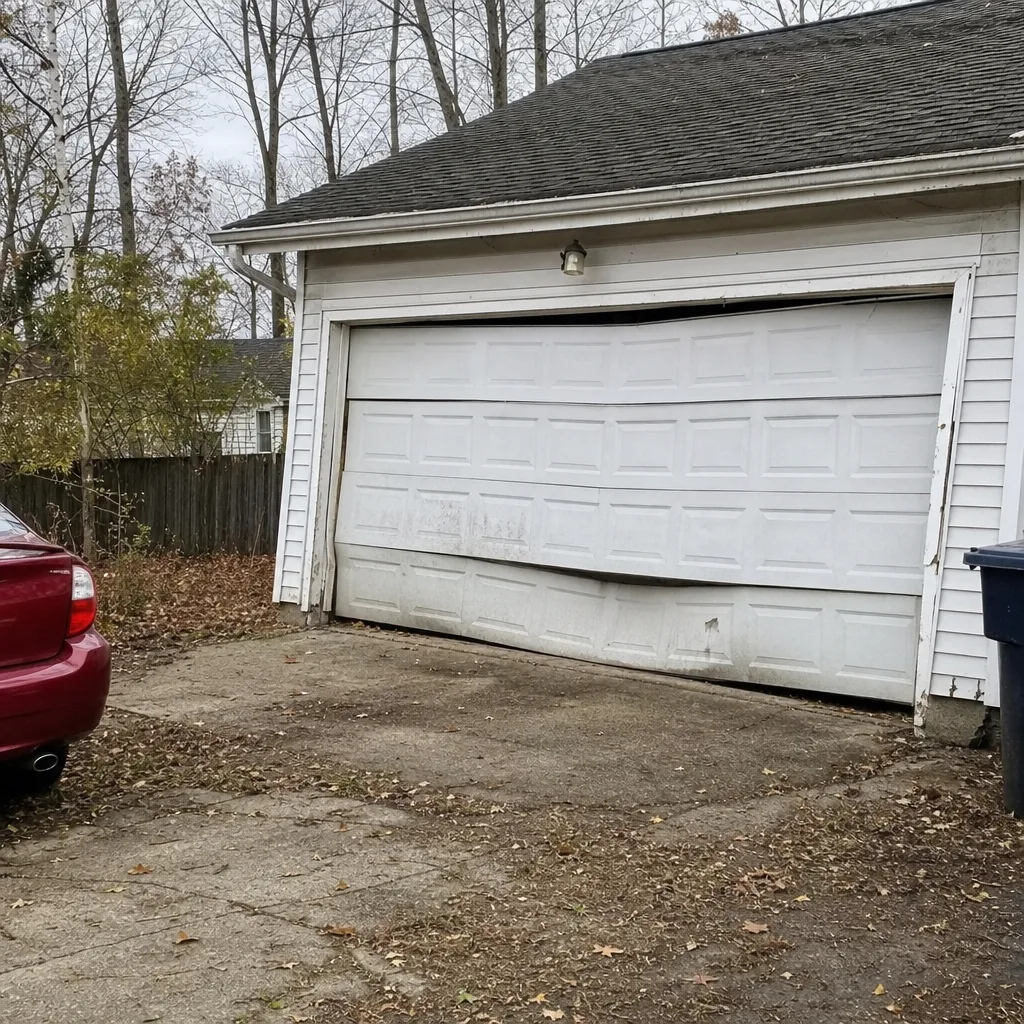 Before
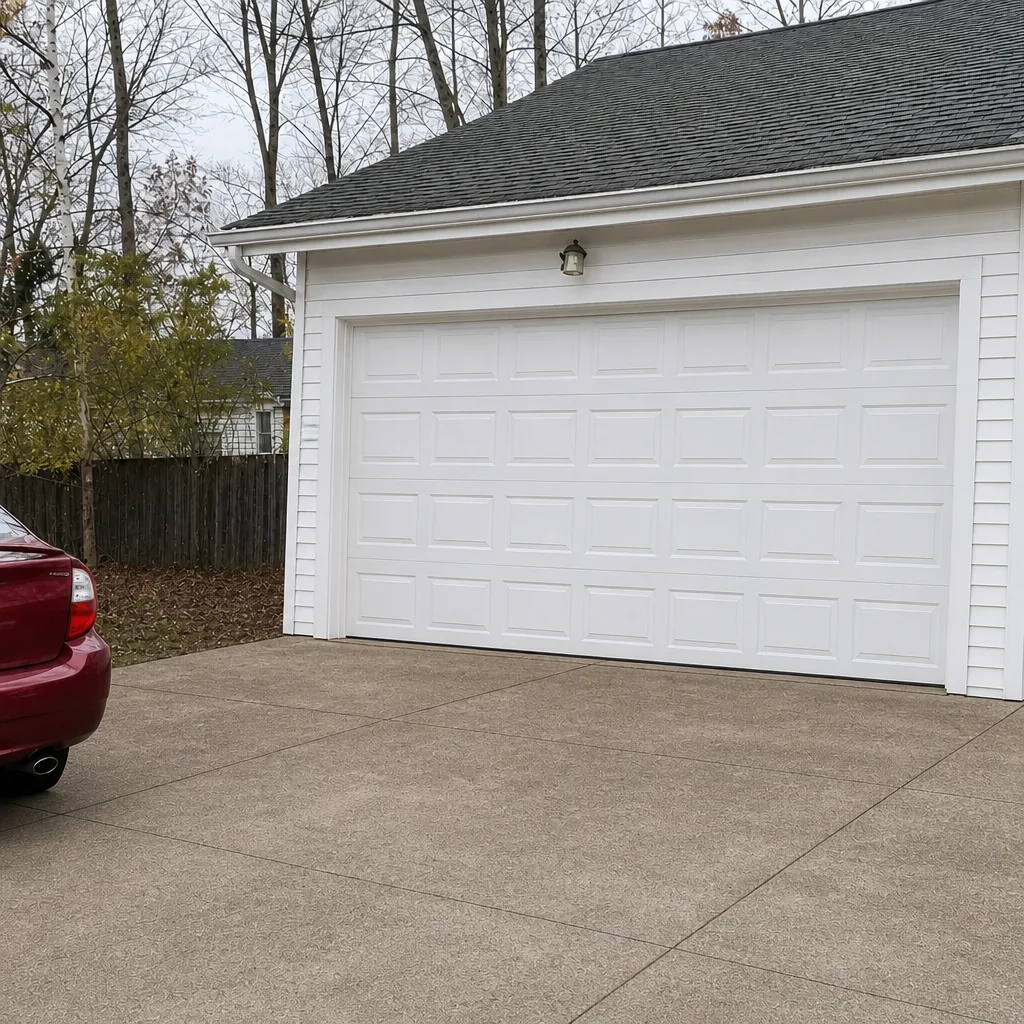 After
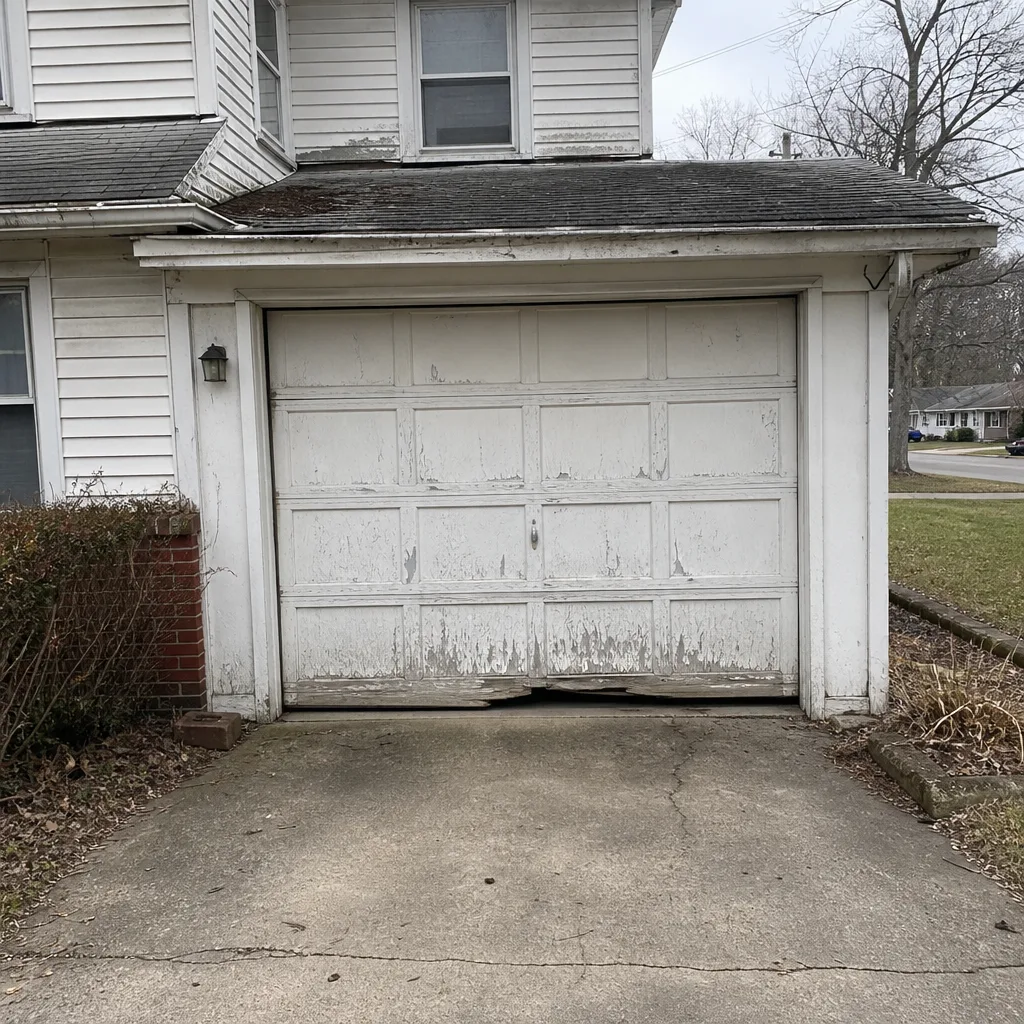 Before
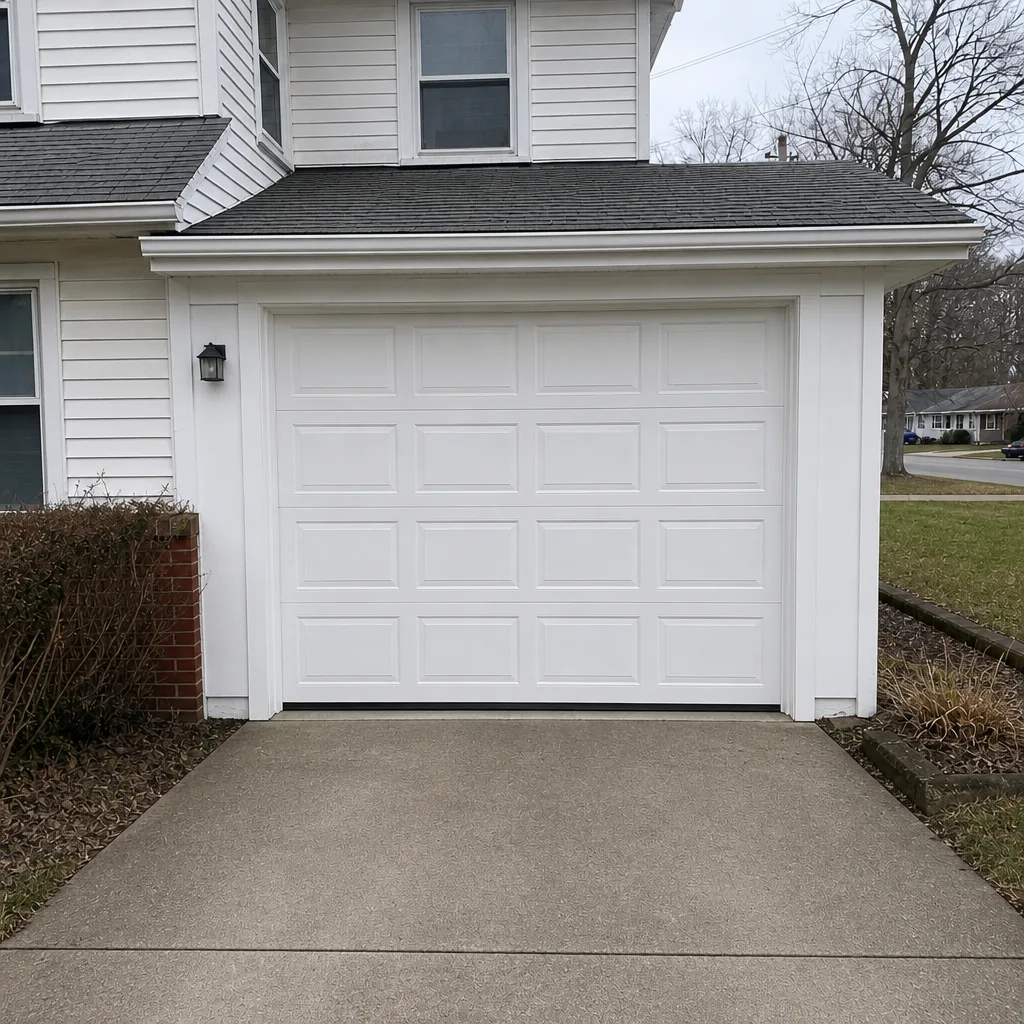 After
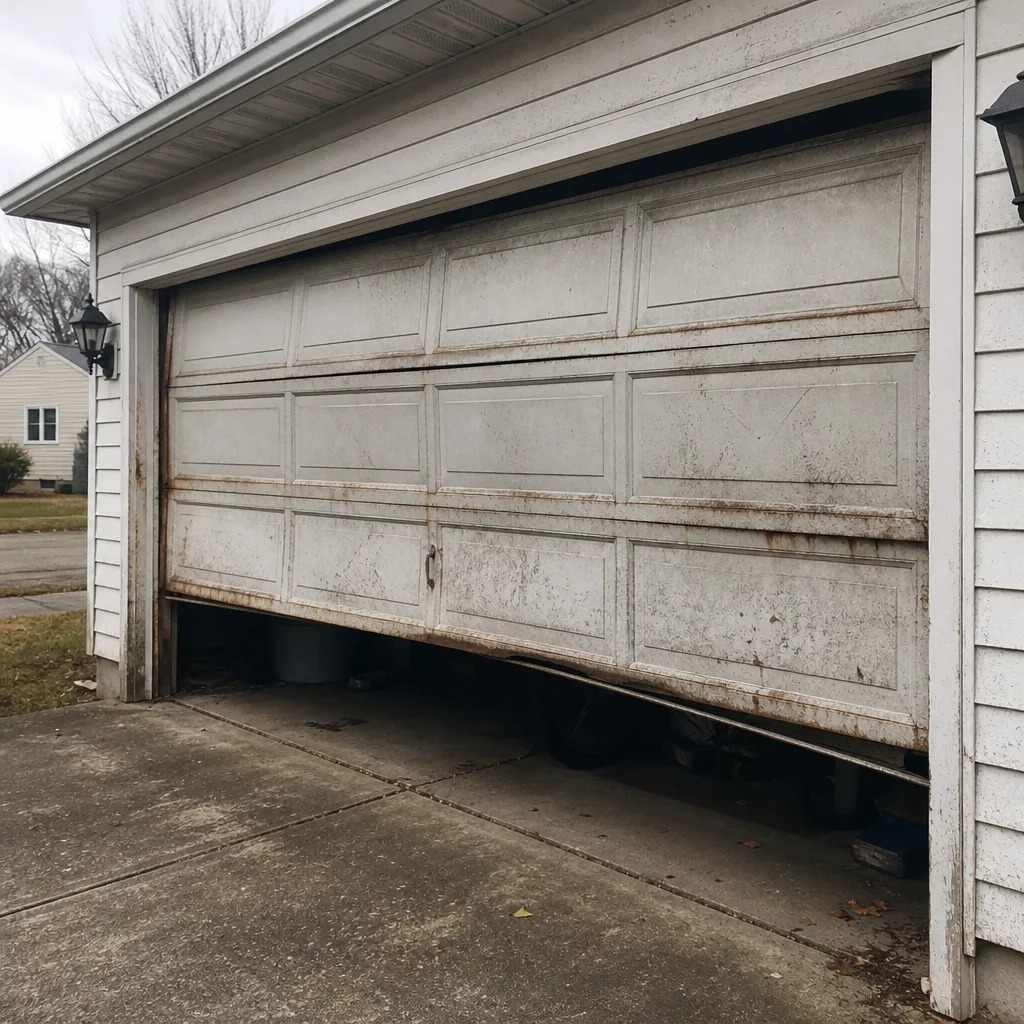 Before
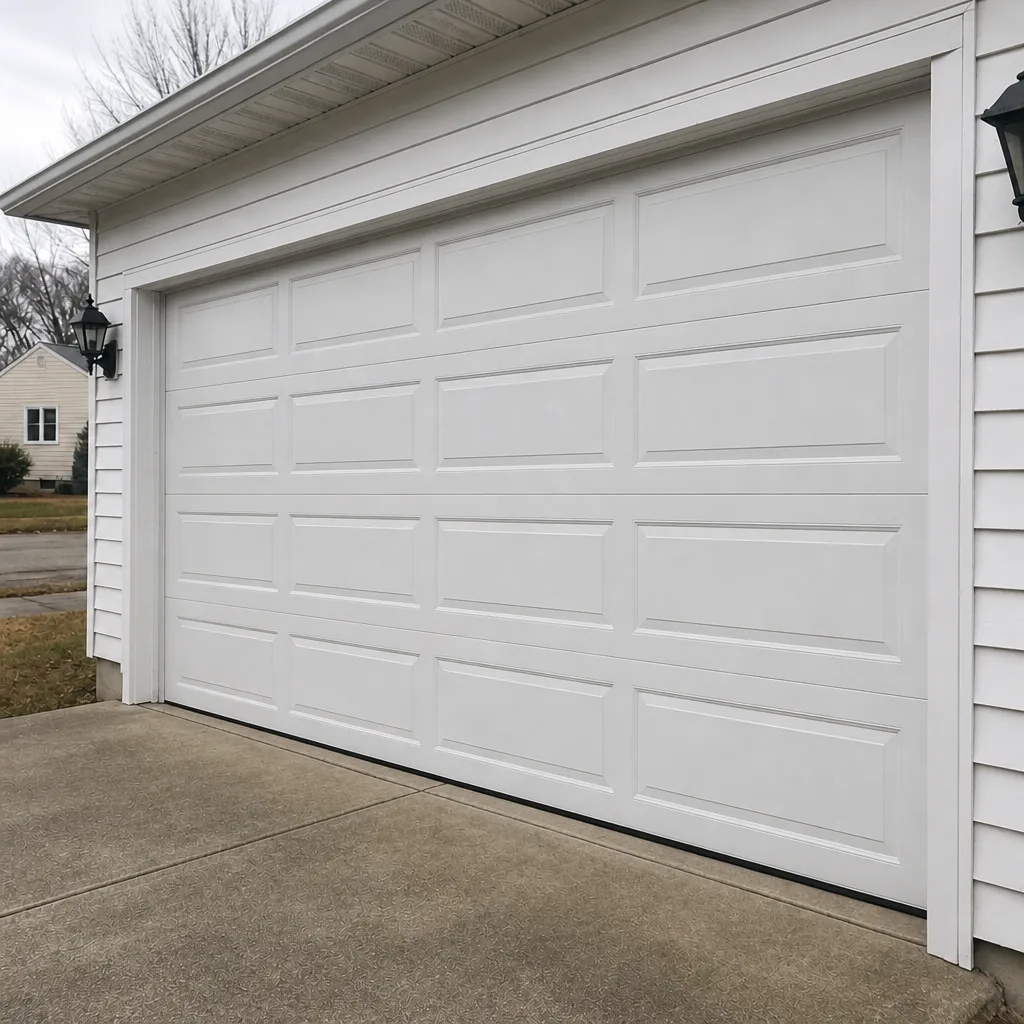 After
When to Call a Professional
Some garage door problems are safe to handle yourself: a stiff release cord, a dirty track, a remote that needs reprogramming. Others are not. Call a professional when a spring breaks or looks stretched, when a cable is frayed or loose, when the door is off its tracks, when the opener runs but the door doesn’t move, or when the door feels heavy or slams down. These involve stored energy and heavy moving parts, and the risk of injury is real. If your door is stuck open and it’s cold, that’s an emergency call. If you’re not sure, describe the symptoms and let a technician advise; a phone call costs nothing and can save you a dangerous mistake.
Garage Door Repair Youngstown offers free estimates in Youngstown, and emergency service when your door won’t move. Call (888) 694-1055 to get on the schedule. Our technicians have up to 8 years of experience, work on the brand already in your garage, and arrive with the right parts when you’ve given us the details. From a single broken spring to a full new door, garage doors are all we do.
Frequently Asked Questions
Stop using the door and don’t try to lift it by hand unless it’s light enough for you to control safely. A broken spring means the door’s full weight is unsupported, and it can drop. Call for service, describe what you heard (a bang from above the door usually means a torsion spring), and tell the technician your door’s brand and size so they bring the right springs. Keep the release cord accessible for the technician.
Yes, if it’s balanced and light enough to lift safely. Pull the emergency release cord to disengage the opener, then lift the door by hand. A single door is often manageable for one adult; a double or insulated door may need two people. If the door is too heavy to control, leave it closed and wait for power to return. Call (888) 694-1055 if you need help deciding whether your door is safe to lift.
Look for a battery compartment on the opener head or check the model number against the manufacturer’s specs. LiftMaster and Chamberlain offer backup on many current models, and some newer openers include it as standard. If your unit doesn’t have backup, the release cord is your outage plan. A technician can tell you whether an add-on battery fits your opener or whether a new opener is the better route.
No. The price is quoted and agreed before any work starts, based on what you describe and what the technician confirms on arrival. If the diagnosis turns up something beyond the original quote, like a stripped opener gear in addition to a broken spring, the technician explains it and you agree to the added cost before they continue. No surprises on the invoice.
The local professionals we connect you with are licensed and insured as their state requires. Garage Door Repair Youngstown connects homeowners with independent local technicians who specialize in garage doors, and we work on the brand already in your garage across the major residential brands.
Do the three-point fall audit: test the door’s balance with the opener disengaged, test the safety reverse with an object in the door’s path, and inspect springs, cables, rollers, and the bottom seal for wear. Test the release cord while it’s still mild out, and free it if it’s stiff. Lubricate moving parts with a silicone spray. If you find a problem, fix it before the freeze, not during it. Call (888) 694-1055 for a free estimate on any repair.
The Bottom Line
Garage door emergencies in Youngstown are mostly preventable, and the prevention is short: a fall audit, a monthly balance and reverse test, a working release cord, a plan for power outages, and a note of your door’s brand and model. Those five things are what turn a February crisis into a minor scheduled repair. When something does break, don’t force it. Give the technician the details they need to arrive prepared, agree on the price before work starts, and let the specialists handle the springs and cables. If you’re reading this before the snow flies, you’re already ahead of most homeowners. Call (888) 694-1055 for a free estimate and get your door ready for the season.
Written by the team at Garage Door Repair Youngstown.