Last updated November 22, 2026
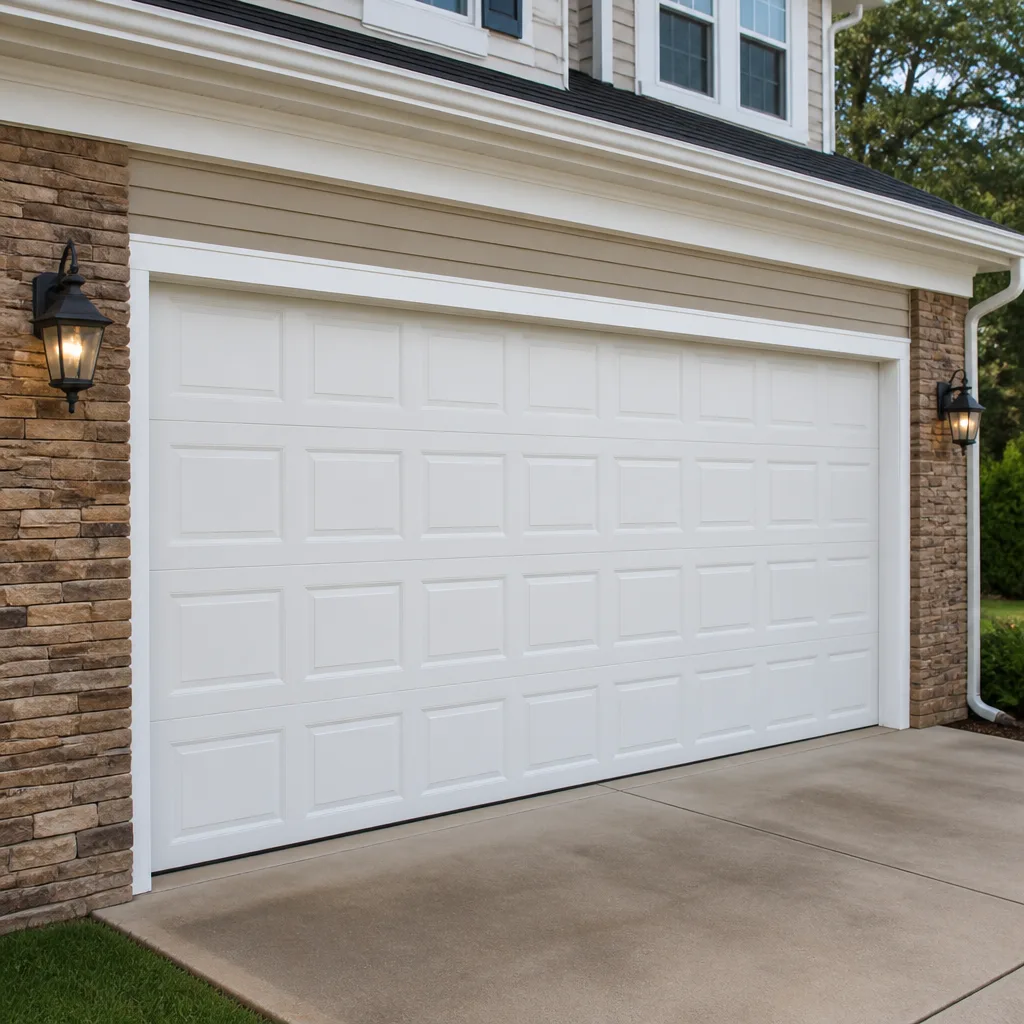 Raised-panel steel
 Carriage house
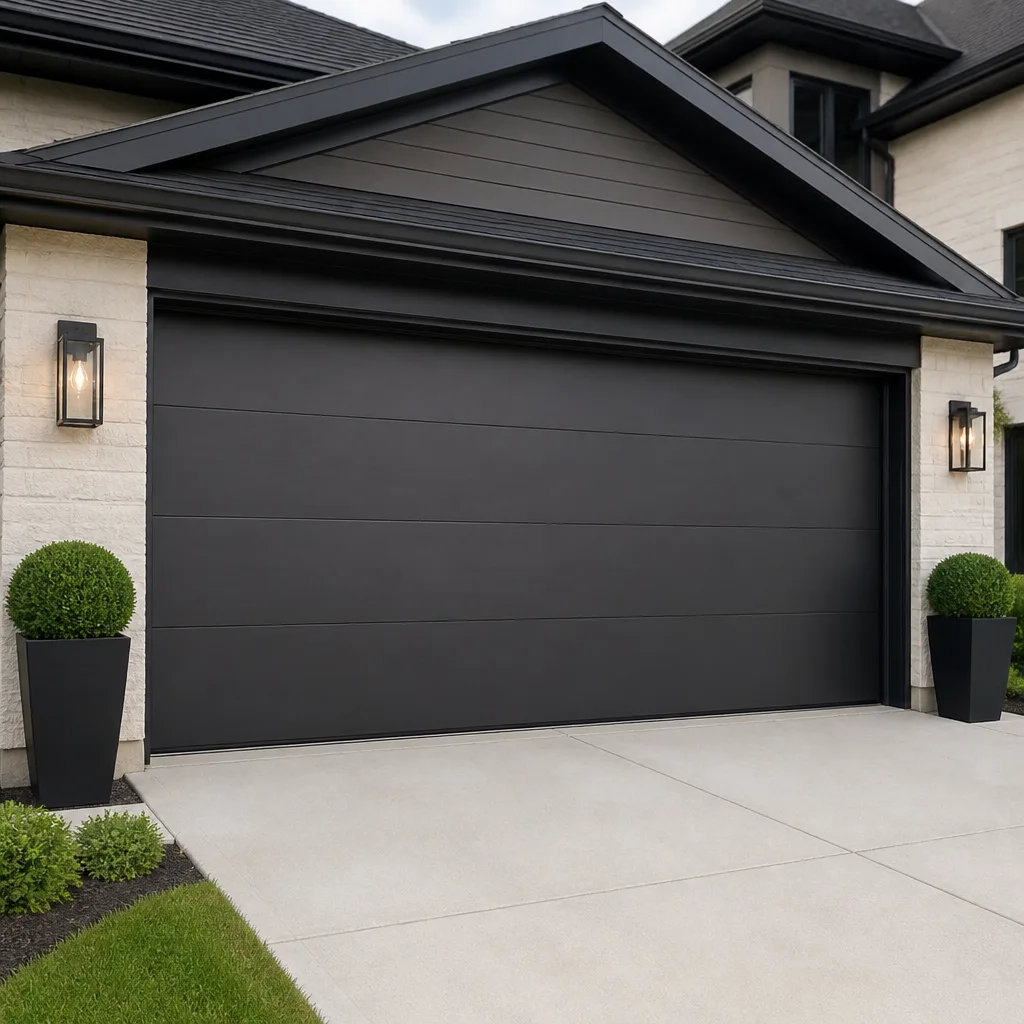 Modern flush
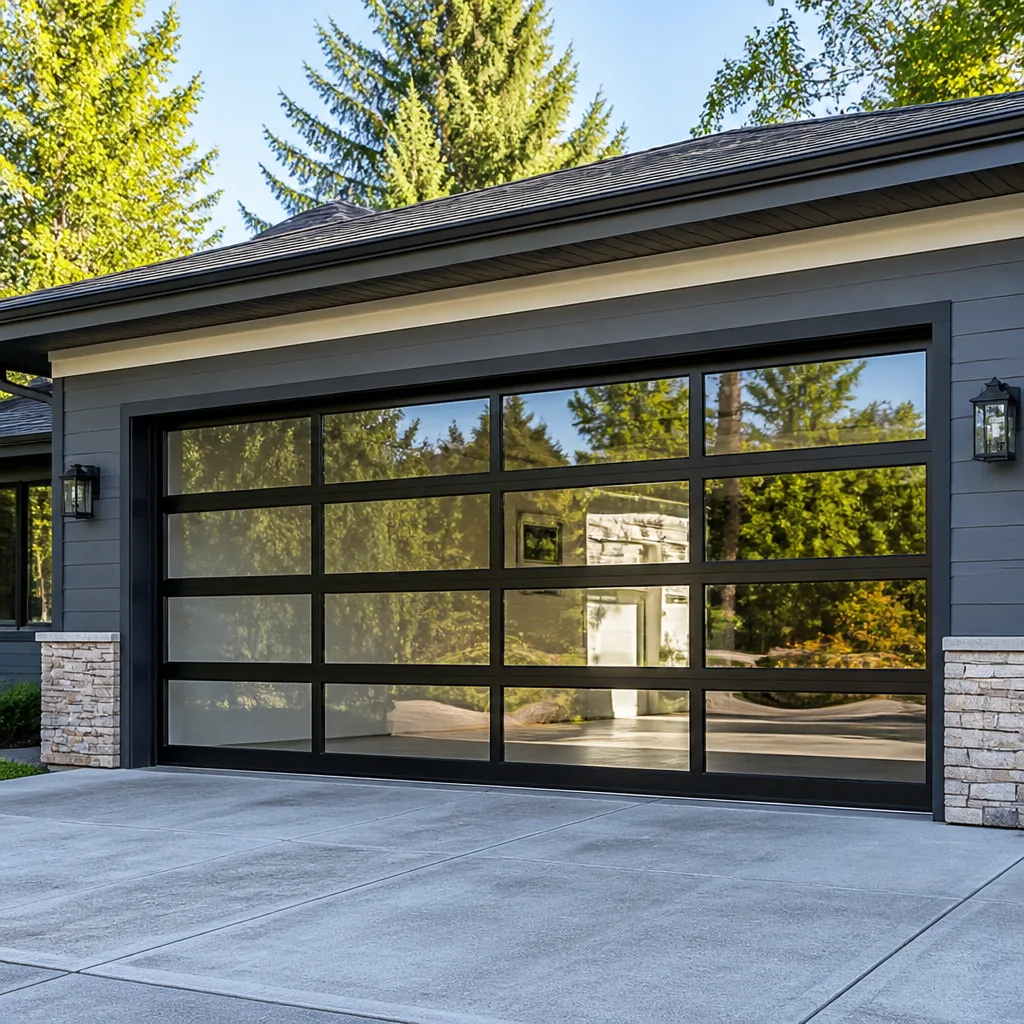 Full-view glass
 LiftMaster openers
 Chamberlain openers
Full 25-point door and opener safety check with every visit - springs, cables, rollers, tracks, and your LiftMaster or Chamberlain opener included
You get a price before we start. It does not change when the pro arrives.
Get your free estimateGarage Door Repair Maintenance Checklist for Youngstown Homeowners
The item technicians find deferred most often on Youngstown service calls isn’t a snapped spring or a dead opener. It’s a tension imbalance that has been quietly overloading the motor for months. Nobody catches it because most printed checklists skip the one test that reveals it, and the door still opens, so it never feels urgent. We built this guide around the failure points we actually run into, ordered by safety risk instead of alphabetically. You’ll learn the force-balance test you can run in under a minute, which lubrication points fail first in cold weather, how Ohio road salt attacks the underside of your door, and the jobs that must stop right now and go to a professional.
Quick Answer
A working garage door maintenance routine in Youngstown comes down to four habits: run a monthly force-balance and safety-reverse test, lubricate rollers and hinges before the tracks, inspect bottom brackets and cable drums for rust from road salt, and check the weather seal before the first hard frost. Anything involving springs, cables, brackets or the torsion assembly is a stop-and-call item. Those parts hold the door’s full weight under tension, and no homeowner should adjust them.
Styles & brands we work with
- Raised-panel steel
- Carriage house
- Modern flush
- Full-view glass
- LiftMaster openers
- Chamberlain openers
Table of Contents
- Why the Order of This Checklist Matters
- The Force-Balance Test That Catches Opener Strain
- Lubrication Points Ranked by Cold-Weather Failure
- Rust Inspection for Ohio Road Salt Exposure
- Weather Seal Checks Before the First Hard Frost
- Safety-Reverse and Photo-Eye Tests
- Red-Line Tasks: Stop and Call a Professional
- A Seasonal Schedule for Youngstown Weather
Why the Order of This Checklist Matters
Most garage door checklists are copied from a manufacturer manual and sorted into tidy categories. That’s fine for a warehouse, not for a house in Youngstown. A manual treats every part as equally important, but the parts don’t fail at the same rate, and they don’t fail the same way. A worn roller makes noise. A loose bottom bracket can release a live cable. Those are not the same category of problem, and a checklist that lists them side by side teaches you to treat them the same way.
We rank by consequence. The first section is about a test that costs you a minute and can save an opener motor. The next is lubrication, because moving parts wear out quietly and predictably. Rust and weather seals come after, because they cause damage slowly. The red-line section sits at the end of the routine but at the top of the priority list, and it tells you which tasks you should never touch.
Youngstown homes add a wrinkle. The freeze-thaw cycle here is hard on anything with a rubber edge or a metal joint, and the road salt on Ohio streets in winter works its way onto the door’s lowest hardware. A checklist tuned to a mild climate misses both. This one doesn’t.
Here’s what you’ll get out of this guide: a monthly five-minute routine, a seasonal deep check, and a clear line between what you can handle and what needs a trained technician. If you ever want backup, our Garage Door Repair Youngstown team is a call away for anything on the list.
The Force-Balance Test That Catches Opener Strain
The force-balance test checks whether your door is fighting its own opener. A balanced door should lift and lower with light, even effort, and your opener should only have to guide it. When the door is out of balance, the motor carries weight the springs are supposed to carry, and that strain shows up as a motor that runs hot, hesitates, or quits within a season or two. This is the deferred item we find most often, and nobody catches it because the door still opens.
You can run the test safely. It involves no tools and no contact with springs or cables.
- Close the door and disconnect the opener. Pull the release cord so the door is in manual mode. This is the red handle hanging from the opener rail.
- Raise the door by hand to about waist height. Do it slowly, with both hands.
- Let go. A balanced door will hold roughly where you left it, maybe drifting a little. A door that drops fast or races up on its own is out of balance.
- Lower it by hand and check the same way. Effort should feel light and even through the travel.
- Reconnect the opener by running it until the carriage re-engages, usually one full cycle.
If the door drops or climbs on its own, stop and get eyes on it. That’s a spring problem, not an opener problem, and it needs a trained hand. Our garage door spring repair covers exactly this situation. If the door moves evenly but the motor still strains, the opener itself needs a look, and that falls under garage door opener repair.
Run this test once a month. It’s the single highest-value habit on this page. We’ve seen motors burn out from months of fighting an unbalanced door, and the fix is often a spring adjustment, not a new opener.
Lubrication Points Ranked by Cold-Weather Failure
Not all lubrication points matter equally in Youngstown. When temperatures drop below freezing, the parts that move the most with the least pressure on them are the first to seize. A roller that binds in a track turns a quiet door into a grinding one, and the strain travels up to the hinges and bushings. So we rank by failure frequency in cold weather, and rollers and hinges come first, tracks second.
Use a silicone-based or lithium grease spray for metal-to-metal contact. Skip household oil, which gums up, and skip heavy grease, which thickens when it’s cold.
Ranked by cold-weather failure:
- Rollers. Spray the bearing on each roller, not the wheel face. Nylon rollers usually need nothing; steel rollers with bearings take a light coat.
- Hinges. A few drops on the pivot point of each hinge, top to bottom, on both sides.
- Bearing plates and center bracket. The metal plates that hold the torsion shaft need a light film at the shaft contact.
- Track curve and edge. Wipe a thin film along the inside curve, not into the flat track where it collects grit.
- Lock and handle. Only if your door has a manual lock, and only the keyway with a graphite or dry lubricant.
Wipe excess before you close the door so grease doesn’t stain the panels or soak into the seal. Do this twice a year, once before the cold sets in and once in spring, and your door stays quiet and easy to lift. It also takes load off the opener motor, which is the whole point.
Rust Inspection for Ohio Road Salt Exposure
Youngstown sits in Ohio road-salt country from November through March. The salt on the street and in the splash from tires gets tracked into the garage and onto the lowest hardware, and it starts working on untreated metal. The parts that rust first are the ones closest to the floor and the ones that hold the most tension, which is why the inspection matters more than the cleanup.
Here’s the inspection protocol, run it once in the fall and again in late winter:
- Bottom brackets and the lower panel edges. Look for orange bloom, white flaking, or pitting. This is the floor-level zone where salt hits first.
- Cable drums at the top of the door. Check both drums for rust and for frayed cable visible at the winding points.
- Torsion bar and its bearing plates. The bar itself rarely rusts through, but the plates can seize if salt spray reaches them.
- Track edges and the floor groove. Rust in the bottom of the track makes rollers bind, and that’s a lift-strain problem, not a cosmetic one.
- Hinges and rollers. Rust pits on hinge pivots turn into seizure over a winter.
If you find surface rust, clean it with a light wire brush and a rag, then touch up with a rust-inhibiting paint or a light grease. That’s maintenance. If you find deep rust or pitting on a bottom bracket or cable drum, stop touching it and get a technician. Those parts hold the door under load, and a rusted bracket can fail without warning. A bottom bracket or drum problem belongs with a professional, and our garage door repair covers both.
Weather Seal Checks Before the First Hard Frost
The weather seal is the rubber strip along the bottom of the door, and it’s the wall between your garage and a Youngstown winter. When the seal is in good shape, cold air stays out and the garage stays a few degrees warmer than the yard. When it’s worn, you lose that, and you also invite snowmelt and road salt in under the door. Time the check to the first hard frost, not a generic “fall” label, because the freeze-thaw cycle is what hardens and cracks the rubber.
Check these before the first hard frost:
- The bottom seal itself. Look for cracks, flat spots, or a gap you can see daylight through when the door is closed.
- The threshold. Look for a worn groove where the seal sits, or a threshold that’s tilted or broken.
- Side and top seals. These dry out and pull away from the jambs, opening gaps at the corners.
- The gap under the door. Run a thin strip of paper around the closed door. If it pulls out easily at a spot, there’s a gap there.
A worn seal is one of the few items on this list a confident homeowner can replace alone, and a replacement strip is inexpensive. If the gap comes from the door sitting unevenly rather than a worn strip, that points to a balance or track issue, and you should get it looked at before sealing it. Our team can check it and give you a written estimate if a repair is needed.
Safety-Reverse and Photo-Eye Tests
The safety-reverse system is the part of your door that protects anything under it, and it’s the easiest safety check to run wrong. Most homeowners test only the photo-eyes or only the contact reverse, and a door can pass one test and fail the other. Run both, once a month, on the same day as the force-balance test.
Photo-eye test:
- With the door open, find the two small sensors mounted at the bottom of the tracks, one on each side.
- Check that the lenses are clean and the LED on each sensor is lit steadily. A blinking light usually means misalignment.
- While the door is closing, pass a broom handle or a box through the beam. The door should reverse immediately.
Contact-reverse test:
- Place a flat board about the thickness of a 2×4 under the middle of the door’s closing path.
- Close the door. When it meets the board, it should reverse and return to open.
- Remove the board and close the door fully to confirm normal operation.
If either test fails, stop using the door until it’s fixed. The safety reverse is not an optional feature, and a failed test means the door can close on a person or an object. That’s a same-day call, not a wait-and-see. If the door moves but the safety system won’t respond correctly, our opener team handles it, and our emergency response is there when the door won’t move at all.
If you own a LiftMaster or Chamberlain opener with a myQ connection, the app can log when the door opened and closed, which helps you spot a door that reversed when it shouldn’t have. It won’t replace the manual test, but it’s a useful second set of eyes.
Red-Line Tasks: Stop and Call a Professional
Some items on a maintenance list are reminders to check. Others are hard stops. These are the hard stops, and they all share one feature: the part under load. A garage door’s springs and cables hold the door’s full weight in tension, and release of that tension is the cause of the most serious injuries in this trade. This isn’t a “call if concerned” list. This is the list you stop touching.
Red-line items:
- Torsion or extension springs. Never adjust, wind, unwind, or attempt to replace a spring. A torsion spring carries enough stored energy to cause serious injury if it releases, and a trained technician uses the right winding bars and procedure.
- Cables and cable drums. Never touch a cable that’s under tension, even if it looks loose. Cables can snap without warning. Call a technician.
- Bottom brackets. These are the brackets that hold the cable at the bottom corner of the door. They are under load, and they are not a DIY part.
- Track straightening by force. A bent track can be adjusted, but never pry it with force while the door is under tension. A misaligned track can drop the door.
- Opener rail and carriage under load. If the door is stuck on the opener carriage, don’t force it. Get a technician.
- Any door that drops fast. A door that free-falls is in an unsafe state. Stop using it and call for emergency service.
If you’re in Youngstown and the door is stuck, off its tracks, or won’t move at all, our dedicated emergency garage door service is the right call, not a general handyman. For anything else on the list that looks like more than a lubrication or seal job, our technicians have up to 8 years of experience with the systems installed on Youngstown homes, and we work on the brand already in your garage, whether that’s Amarr, Wayne Dalton, Craftsman, or Raynor.
A Seasonal Schedule for Youngstown Weather
A maintenance routine works best when it follows the year you actually have. Youngstown gets hot, humid summers, cold winters with freeze-thaw cycles, and a spring that shakes loose everything winter loosened. Here’s how we’d map this checklist onto the calendar.
Monthly (year-round):
- Force-balance test
- Photo-eye and contact-reverse tests
- Quick listen for new noise or hesitation on the opener
Early fall, before the first hard frost:
- Lubricate rollers, hinges, bearing plates and track curves
- Check and replace the weather seal if it’s cracked or flat
- Rust inspection on bottom brackets, cable drums and the lower panels
- Test the safety-reverse system under cold conditions
Late winter:
- Rust inspection again, this time for road salt damage
- Clean salt residue off the lowest hardware and touch up paint
- Check the seal for hardening and cracking from the freeze-thaw cycle
Spring:
- Clear grit and debris from the tracks
- Re-lubricate moving parts
- Check the door’s balance again after a winter of use
That’s a realistic schedule. It’s not a daily routine, and it doesn’t need to be. Two deep checks a year plus a monthly safety test catches most problems before they turn into a repair. Our services cover the full lifecycle, from a single broken spring to a full new door, so if a check turns up something bigger, you’re already talking to the right people.
Common Mistakes to Avoid
- Lubricating the tracks like a machine rail. Tracks guide rollers; they don’t need grease on the flat interior. A thin film on the curve is enough. Too much grease on the flat track collects grit, which grinds the rollers and causes noise.
- Skipping the force-balance test because the door “seems fine.” A door can run for months with an imbalance that’s quietly cooking the opener motor. The test takes a minute. Run it monthly.
- Adjusting the opener’s force settings instead of fixing the balance. Turning up the motor’s force setting hides the symptom and accelerates wear on the motor and the door hardware. Fix the balance first.
- Ignoring rust on bottom brackets and cable drums. Surface rust on a panel is cosmetic. Rust on a bracket or drum is structural, and those parts are under load. Stop and get them checked.
- Replacing a weather seal without finding out why the gap is there. A worn strip is a simple fix. A gap caused by an uneven or out-of-balance door is a repair, and sealing it hides the real problem.
- Pulling the manual release while the door is under tension. If the door is stuck or off its tracks, pulling the release cord can drop it. Stop and call for emergency service instead.
- Waiting until the first freeze to check the seal. The freeze-thaw cycle hardens and cracks old rubber. Check in early fall, before the first hard frost, so the seal is sound when the cold arrives.
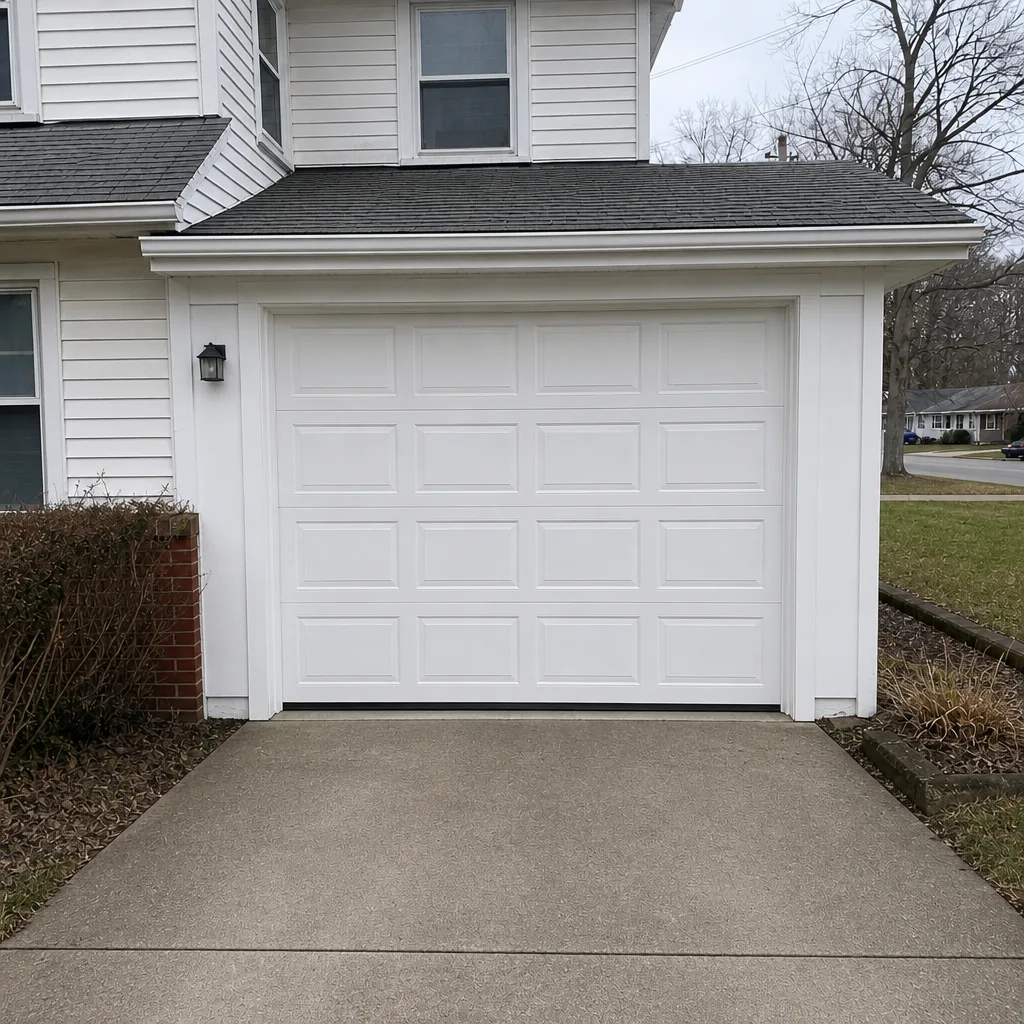
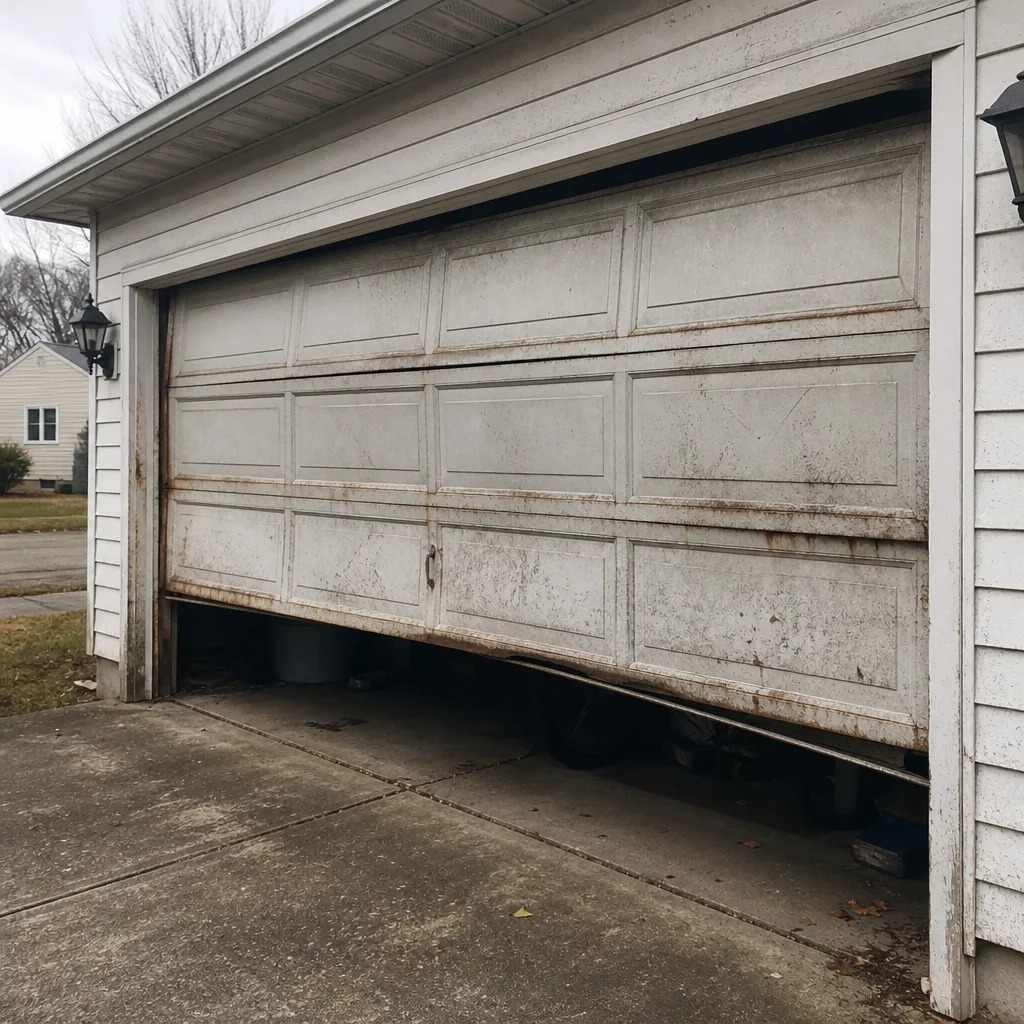
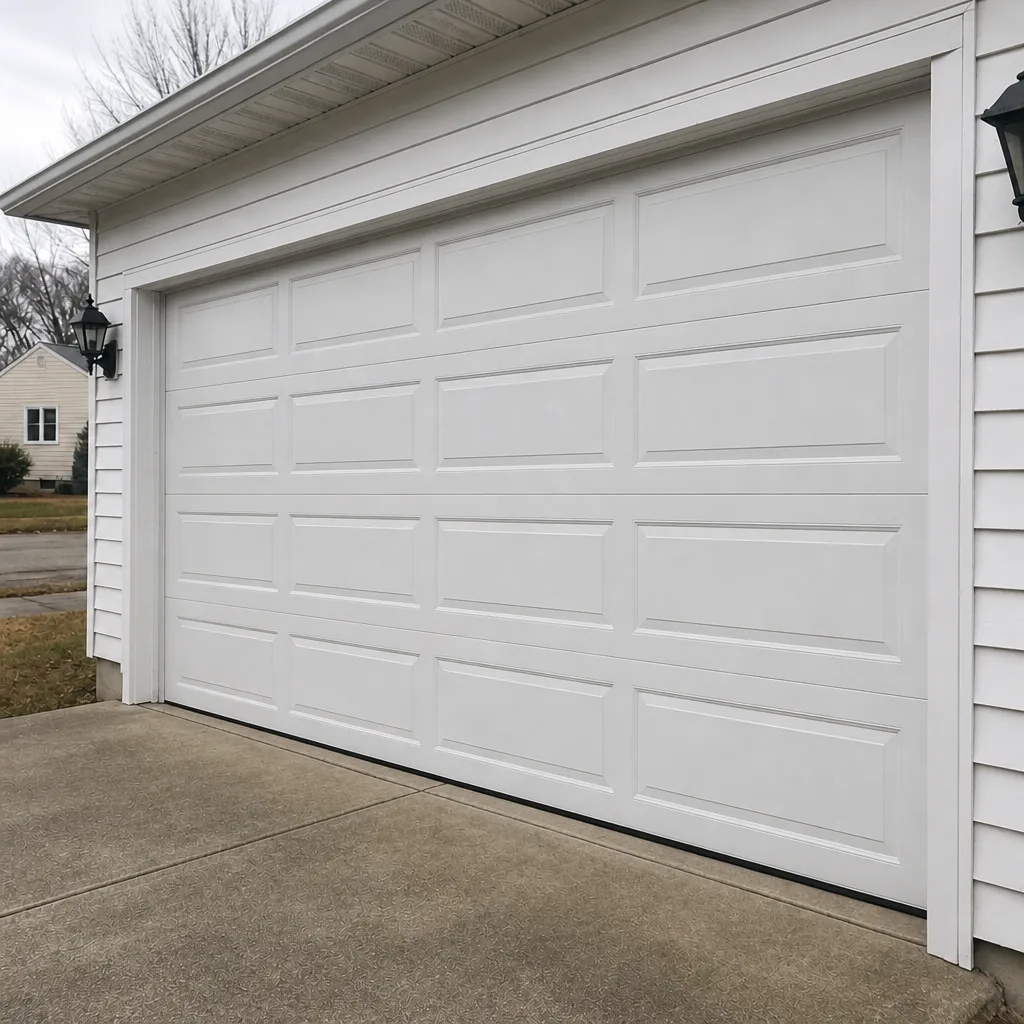
See the difference
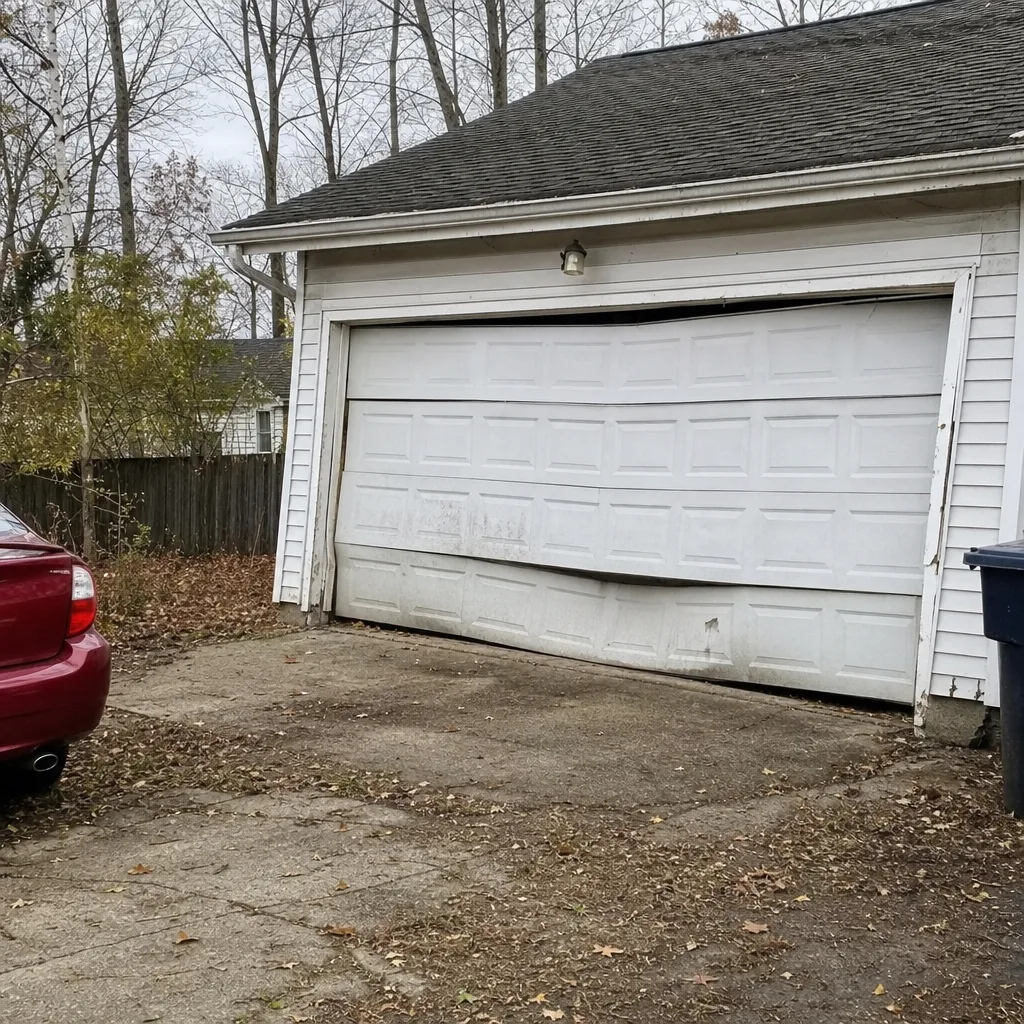 Before
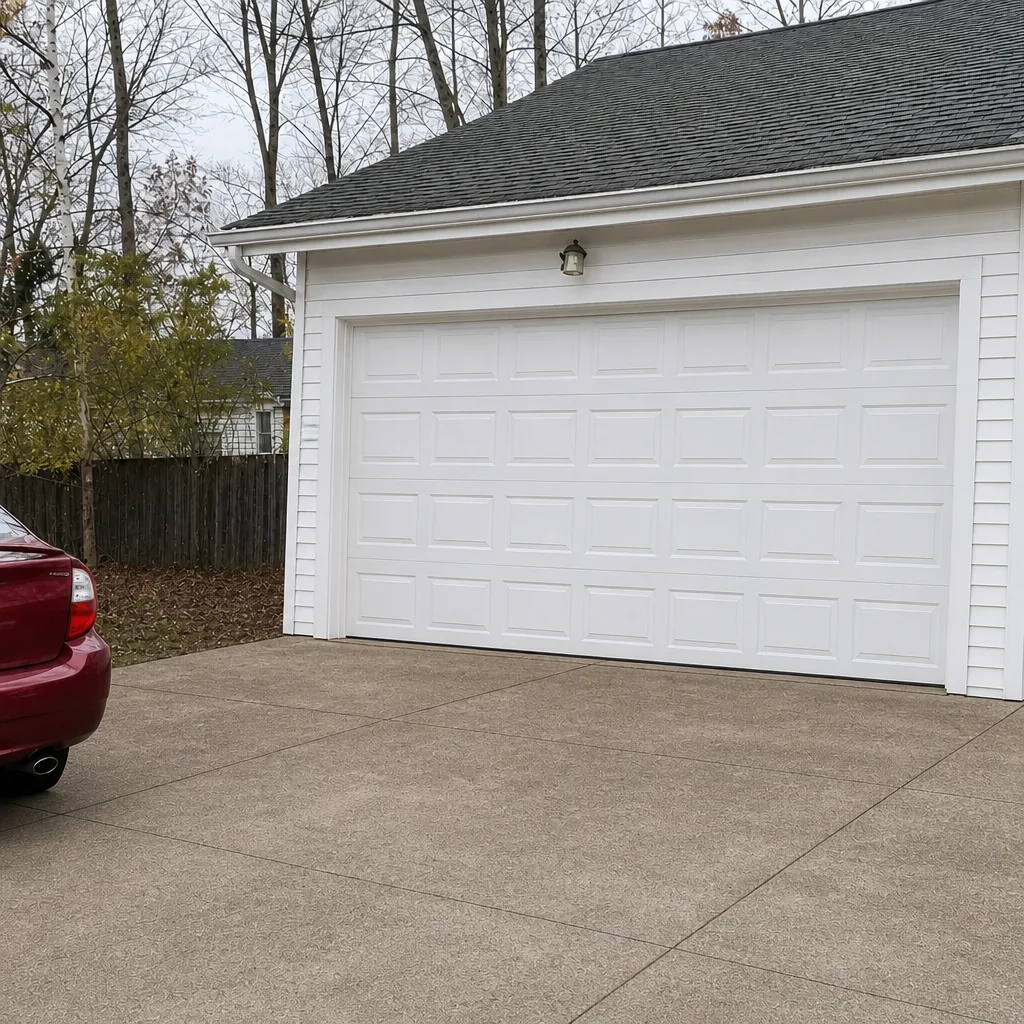 After
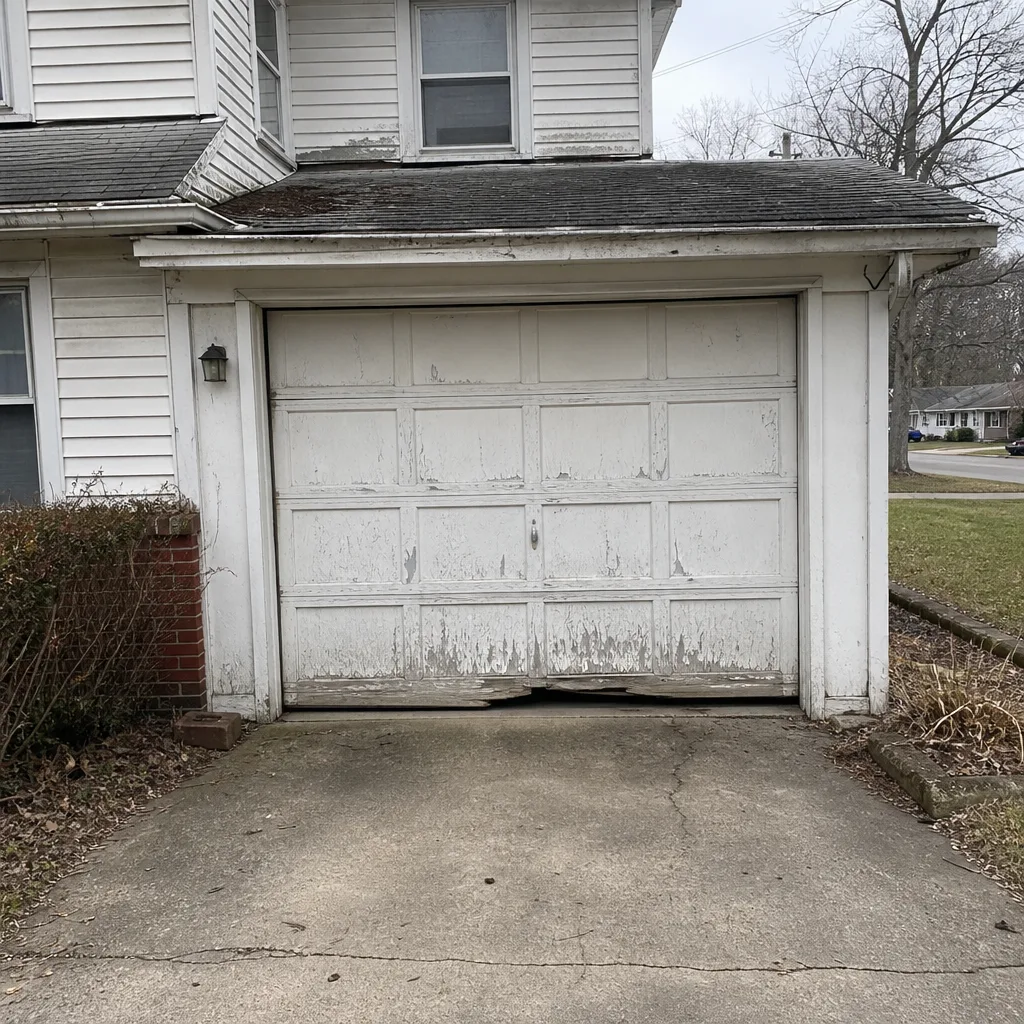 Before
 After
 Before
 After
When to Call a Professional
Call a technician for anything on the red-line list: springs, cables, cable drums, bottom brackets, or a door that free-falls or is stuck on its tracks. Also call if the force-balance test shows the door dropping or climbing on its own, if the safety-reverse system fails either test, or if the opener strains, hesitates, or stops responding after you’ve confirmed the door is balanced. Rust that’s pitted rather than surface-level on a bottom bracket or drum is a call. A bent track you can’t straighten by hand is a call. Garage Door Repair Youngstown offers free estimates in Youngstown. Call (888) 694-1055 and we’ll get a technician out, including for emergencies when the door won’t move.
Frequently Asked Questions
Run the safety-reverse and force-balance tests monthly, and do a deeper lubrication and rust check twice a year, before the first hard frost and in late winter. Youngstown’s freeze-thaw cycles and road salt make twice-a-year checks worth the time, especially on the lower hardware and weather seal.
If you’d rather have a technician walk the door with you, call (888) 694-1055 for a free estimate.
A basic tune-up is typically a small, fixed fee, and repairs are quoted based on what’s actually wrong, usually a single-spring repair in a common range for the trade. You’ll get a written estimate before any work starts, so the price you agree to is the price you pay.
Call (888) 694-1055 for an exact quote. Estimates are free.
You can safely lubricate rollers, hinges, bearing plates and the track curves yourself. Do not touch the springs, cables, cable drums or bottom brackets. Those parts are under load, and even a light touch can cause injury. If you’re not sure which part you’re looking at, leave it to a technician.
Not sure what needs doing? Call (888) 694-1055 and we’ll point you in the right direction.
Not always, but it’s a sign the door is out of balance and the opener is carrying weight it shouldn’t. Run the force-balance test. If the door drops or climbs when you let it go at waist height, stop using it and get it checked. If it moves evenly but feels heavy, it may be a lubrication or spring issue.
Call (888) 694-1055 and we can help you sort out which it is.
Road salt is the main reason. Ohio streets get treated heavily in winter, and salt tracks into the garage and onto the lowest hardware. Bottom brackets, cable drums and the lower panels rust first because that’s where salt spray reaches. Rinsing the lowest hardware and checking twice a year keeps rust from turning into a safety problem.
If you find rust on a bracket or drum, call (888) 694-1055 for an inspection. Estimates are free.
If the door won’t close because the photo-eyes or safety-reverse are failing, stop using it and get same-day service. A door that won’t close isn’t just a convenience problem, it’s a security gap. If the door is stuck open, off its tracks, or free-falling, that’s a genuine emergency and calls for our dedicated emergency service.
Call (888) 694-1055 and we’ll book a technician.
The Bottom Line
Garage door maintenance in Youngstown comes down to a short list you can run yourself and a hard line you shouldn’t cross. Test the force-balance and safety-reverse monthly. Lubricate rollers and hinges before the tracks. Inspect bottom brackets and drums for road-salt rust twice a year. Check the weather seal before the first hard frost. Stop and call for springs, cables, drums and brackets, and treat a door that drops fast as an emergency. Our technicians have up to 8 years of experience with the systems in Youngstown garages, and we work on the brand already in yours. When in doubt, a free estimate is cheaper than a burned-out opener or an injury.
If anything on this checklist turns up a problem, call Garage Door Repair Youngstown at (888) 694-1055 for a free estimate. We handle spring repair, opener repair, full door repair, and new installation, and our emergency service is there when your door won’t move.
Written by the team at Garage Door Repair Youngstown.