Last updated November 22, 2026
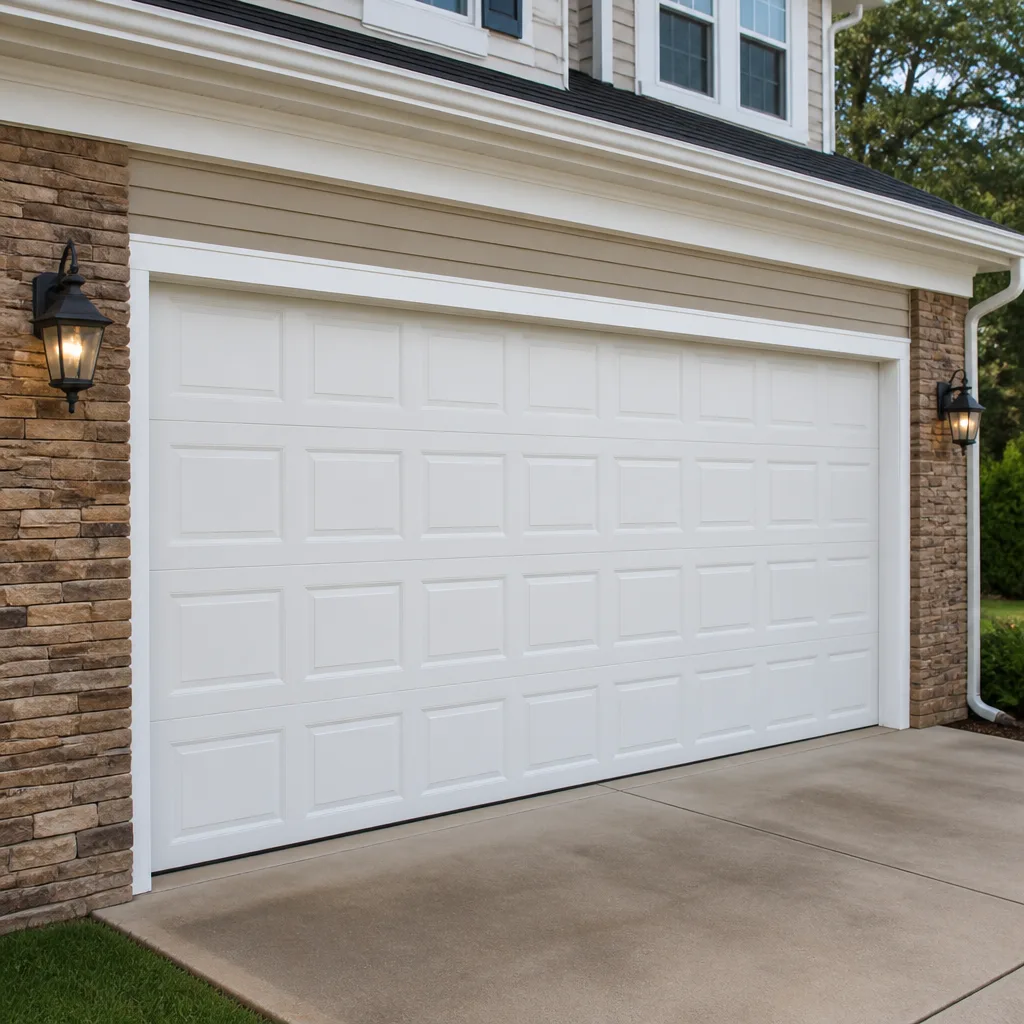 Raised-panel steel
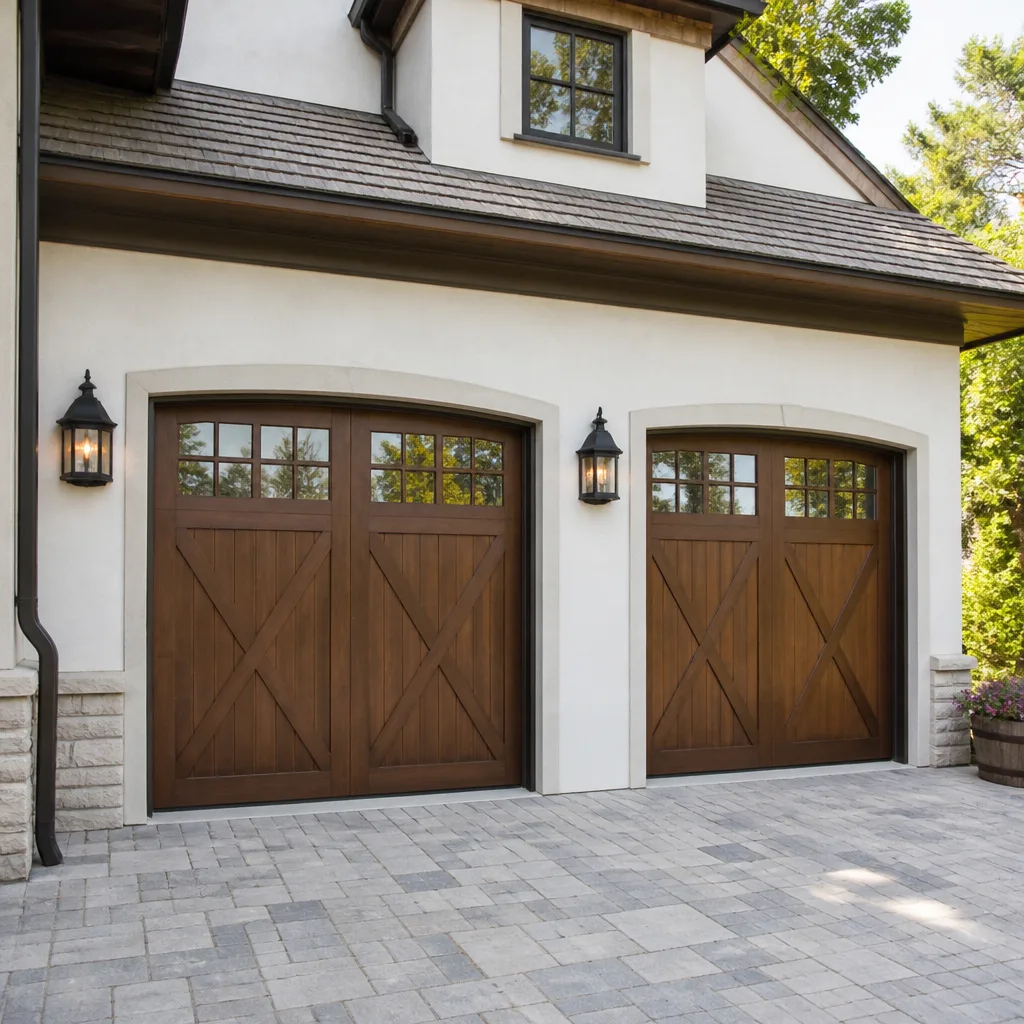 Carriage house
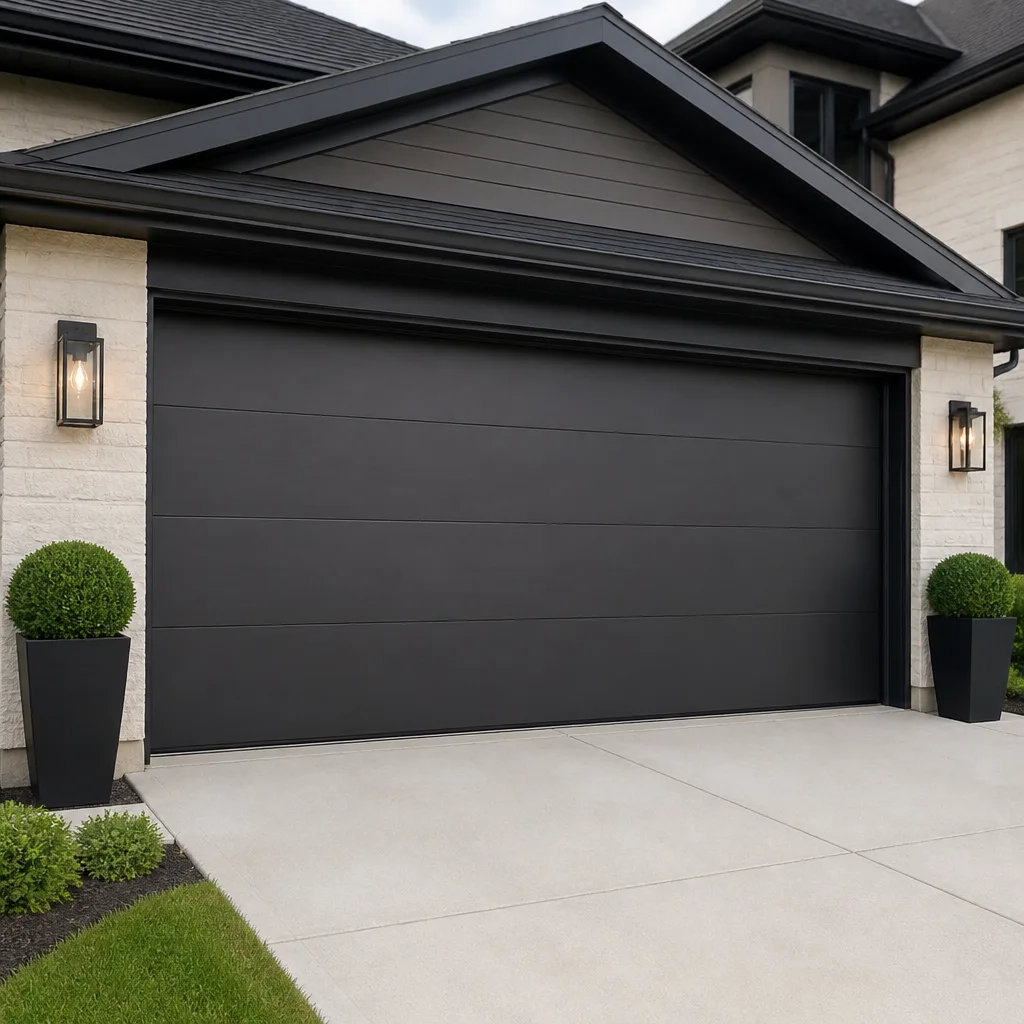 Modern flush
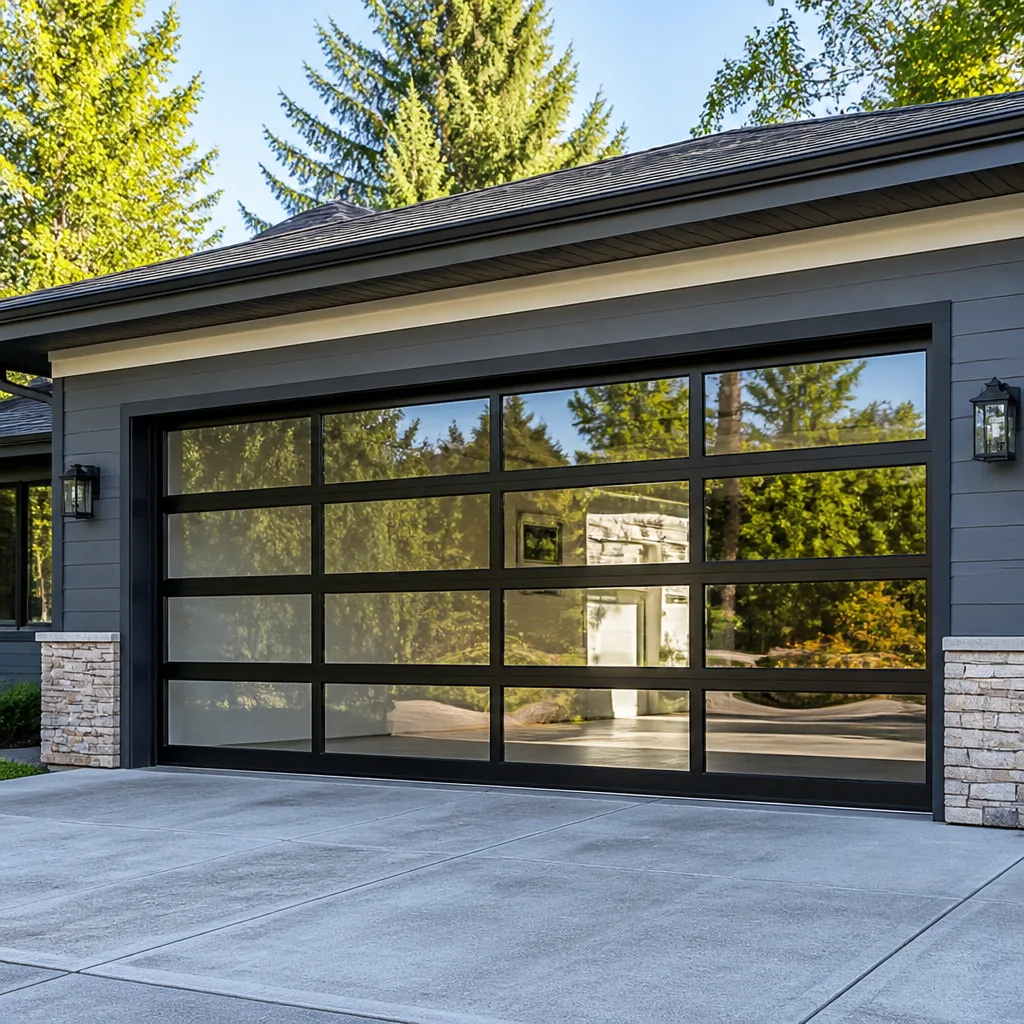 Full-view glass
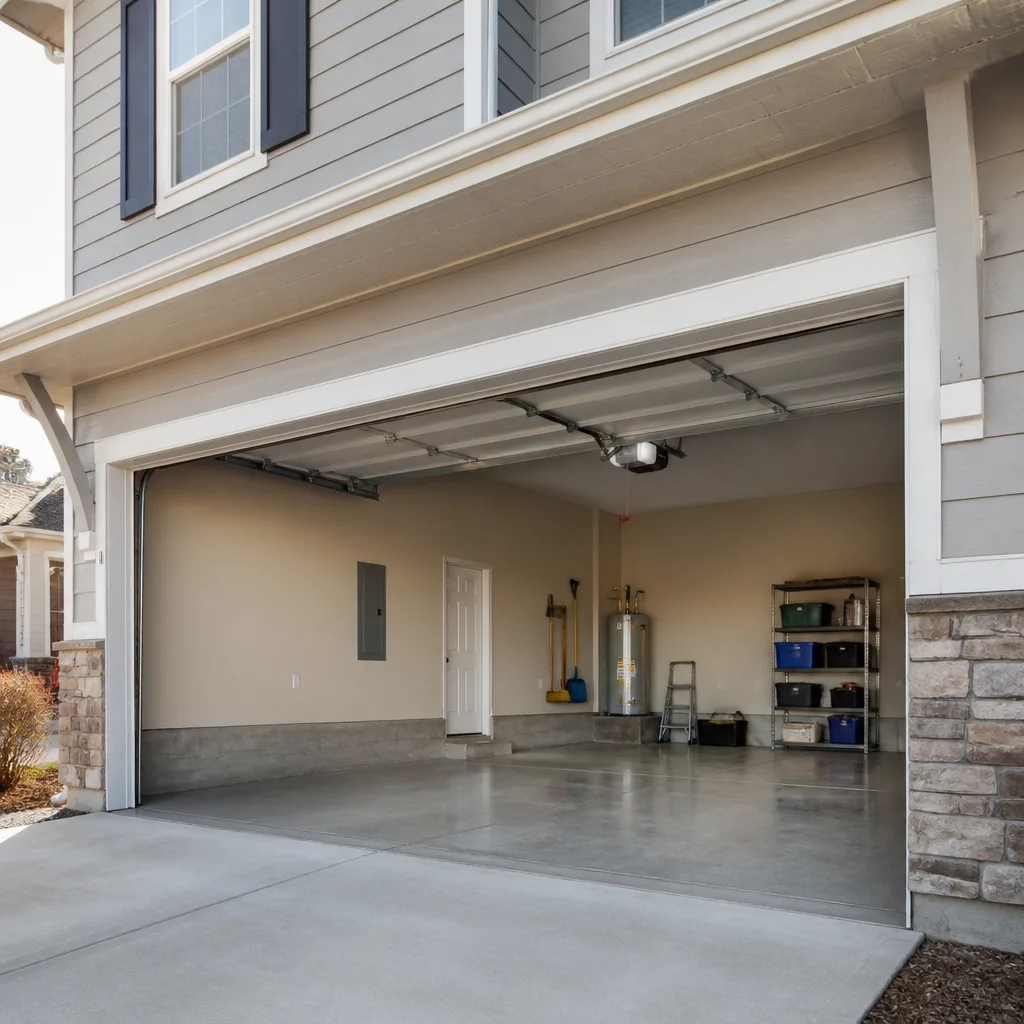 LiftMaster openers
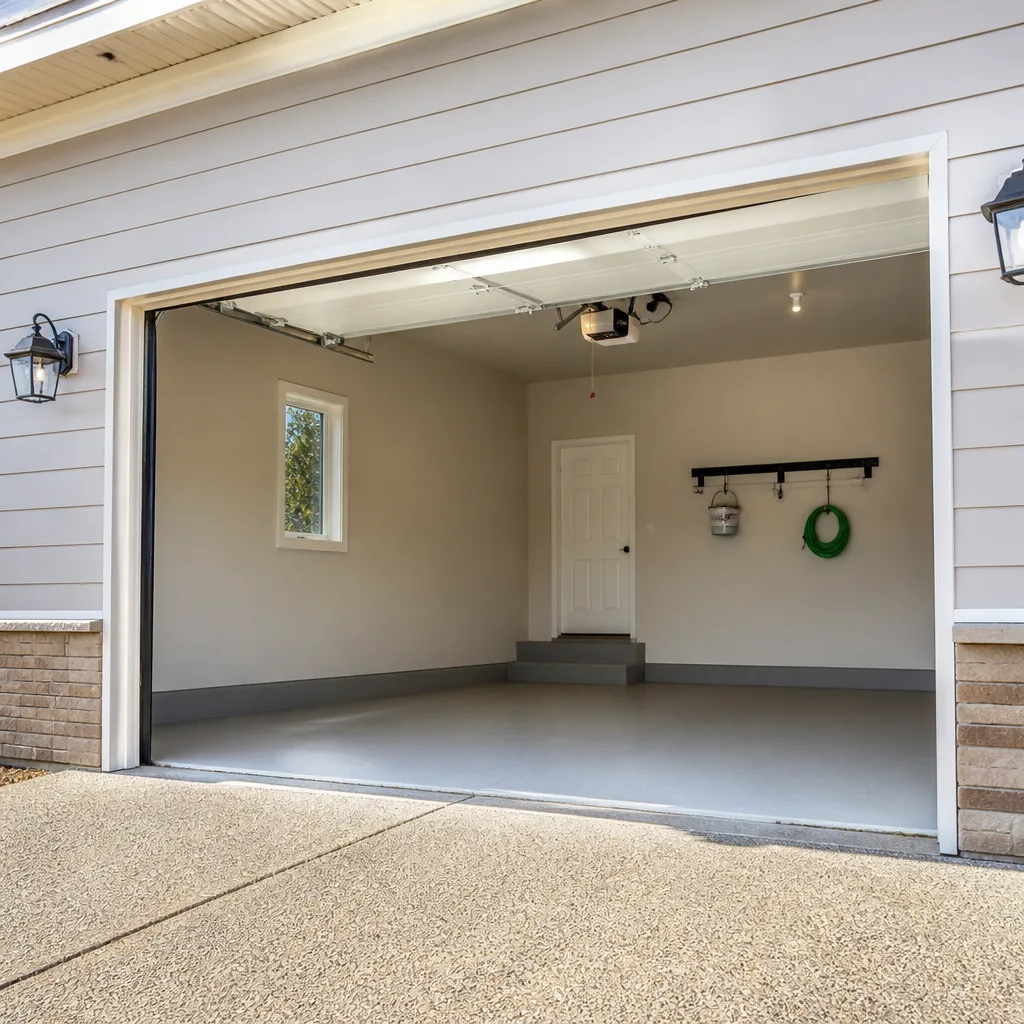 Chamberlain openers
Full 25-point door and opener safety check with every visit - springs, cables, rollers, tracks, and your LiftMaster or Chamberlain opener included
You get a price before we start. It does not change when the pro arrives.
Get your free estimateGarage Door Permits, Codes & Inspections in Youngstown, OH: What You Need to Know
Most Youngstown homeowners replacing a garage door assume it’s a no-permit swap. Sometimes that’s right. Sometimes it’s the exact job that needs a building permit, and skipping it can follow the house through a sale. The trap is subtle: a straight panel change usually needs nothing, but enlarge the opening, cut into a structural header, or run a new high-voltage circuit for an opener, and you’ve crossed into permitted work. Here’s the part people don’t expect. If you sell your Youngstown home and unpermitted electrical work for a garage door opener gets flagged during an inspection, you’re the one who has to fix it, even if a contractor did the work years ago. This guide walks through when a City of Youngstown building permit applies, when it doesn’t, what a rough-in electrical inspection actually checks, and how to spot prior unpermitted work before it becomes your problem.
Quick Answer
A building permit is generally not required for a like-for-like garage door replacement, a spring replacement, or a panel swap in Youngstown. It is typically required when you enlarge or modify the door opening, cut into or alter a structural header, add a new dedicated electrical circuit for a garage door opener, or make related structural changes to the garage. Ohio’s residential code exempts ordinary repairs and maintenance; anything that changes the structure or adds new electrical service usually isn’t exempt. When in doubt, call the City of Youngstown building department and ask about your specific job before work starts.
Styles & brands we work with
- Raised-panel steel
- Carriage house
- Modern flush
- Full-view glass
- LiftMaster openers
- Chamberlain openers
Table of Contents
- What actually requires a garage door permit in Youngstown?
- When you don’t need a permit: exempt work under Ohio code
- Opener circuits and what the electrical inspection checks
- Headers, opening size, and structural changes
- How to check permit status on work a previous owner did
- Unpermitted work at closing: what it looks like and how it’s fixed
- Why Youngstown weather and housing make this matter
What actually requires a garage door permit in Youngstown?
Three categories of garage door work trigger a City of Youngstown building permit. Structural changes to the door opening, any new electrical circuit that serves the opener, and enlarging the opening itself. Those are the jobs where an inspector wants to see the work at a rough-in stage, before it’s covered or finished. Ordinary repairs don’t fall into this group. Replacing a torsion spring on the same sized door, swapping panels on a door that fits the existing opening, or servicing an opener on existing wiring are all maintenance by code definition, not construction.
The line gets blurry in practice. If your door frame is fine and you’re replacing a 16-foot door with another 16-foot door, that’s a replacement. No permit. If you’re moving from a single 9-foot door to a double opening, or raising the height of the header to fit a taller door, that’s structural work inside the wall. A permit typically applies. Same with the electrical side. If the opener plugs into an existing outlet, you’re not touching the electrical system. If you’re running a new line from the panel to power a new opener, especially on an older Youngstown garage that never had one, the circuit itself is permitted work.
In our experience, most homeowners assume any garage door work is permit-free because garage doors feel like appliances. They’re not. They hang from a structural frame, and they’re powered through the home’s electrical system. The code treats those two realities separately and permits them accordingly. If you’re replacing a door in a Youngstown home with an added-after-the-fact garage conversion, or a older two-car structure, ask the building department first, even if you think the job is simple. It takes a phone call and it can save a real headache at resale. For installation work specifically, see our guide to Garage Door Repair Youngstown.
When you don’t need a permit: exempt work under Ohio code
Ohio’s Residential Code exempts ordinary repairs and maintenance from permit requirements, and garage doors benefit from that exemption more than people realize. The most common garage jobs in Youngstown fall on the no-permit side:
- Spring replacement. Replacing a torsion or extension spring on a door that already fits its opening is maintenance. This is one of the most common garage door jobs in the area and it doesn’t need a permit, whether it’s a broken spring on a Clopay or a lift-assist extension spring on an older Raynor.
- Panel replacement. Swapping a dented or damaged panel with one sized for the existing opening is a repair, not construction. The door stays the same size, and the header stays untouched.
- Roller, hinge, cable, and track repair. These are all maintenance items. Fixing a bent track or replacing worn rollers doesn’t change the structure.
- Opener repair or like-for-like replacement. Replacing a worn Genie opener with a new one on the existing outlet and existing wiring is a repair. No new circuit means no electrical permit.
- Weather sealing and trim. Replacing the bottom seal, side seals, or the trim around the opening is maintenance.
The exemption applies to like-for-like work. The moment you change the size, the structure, or the electrical service feeding the door, you’ve left the exemption behind. That’s the discipline: keep the door the size it already is, keep the opener on the wiring it already has, and most jobs never touch a permit. Our garage door repair work is almost always in this exempt territory, and that’s part of why most Youngstown repairs are straightforward.
Opener circuits and what the electrical inspection checks
A rough-in electrical inspection for a garage door opener checks three things: the wire gauge and breaker size, the physical routing of the cable, and the connection method at the opener and at the panel. The inspector wants to see the wire before drywall goes up, which is why this has to be planned from the start rather than discovered at the end.
Here’s what the inspection typically looks at:
- Circuit sizing. The dedicated circuit needs a breaker and wire sized for the opener’s rated draw. Most residential openers use a 15-amp circuit, but the inspector verifies the breaker matches the wire.
- Wire routing and protection. Cable has to be secured and protected where it passes through framing. Stapled at proper intervals, protected where it could be nicked, and kept clear of the door’s moving parts.
- Grounding and the connection at the opener. The equipment ground has to be present and continuous. The inspector checks the connection at the opener head and the box.
- The panel side. The breaker has to be labeled and the panel has to have room and capacity for the new circuit. In older Youngstown homes with original panels, this is where jobs get more involved than expected.
- Outlet or disconnect placement. If there’s a receptacle feeding the opener, the inspector verifies it’s in a workable location and properly grounded.
If you’re adding an opener to a garage that never had one, or running a new circuit for a LiftMaster or Chamberlain unit with a battery backup, that circuit needs the electrical permit and the rough-in inspection. The inspector wants to see it at rough-in, not after drywall.
This is electrical work. It’s genuinely dangerous if it’s done wrong, and it’s not a DIY-friendly job. A trained, licensed electrical professional should handle it, and the inspection exists for good reason. Ask the building department what your specific job requires before anyone touches the panel.
Headers, opening size, and structural changes
A structural header over the garage door opening carries the load of the wall above it. Change its size, cut into it, or move the opening, and you’ve changed how the wall carries that load. That’s exactly the work that triggers a permit and, often, engineered drawings.
The scenarios that typically need a permit:
- Enlarging the opening. Widening or heightening the door means cutting the existing header and framing in a new one sized for the larger span.
- Raising the header. Going from a standard height opening to a taller one for a high-lift door requires modifying the header.
- Cutting into a load-bearing header. Even a modest cut can affect structural capacity, and an inspector will want to see it.
- Changing the door weight. A heavier insulated door, especially one with a higher R-value or added glass, can require header and spring changes that a lighter door didn’t. Sometimes this is a spring and opener upgrade, sometimes it’s structural. Which one depends on the door.
- Adding a new opening where there wasn’t one. Converting a solid wall into a garage door opening on a new or existing garage is structural work.
If your door replacement is straightforward (same size, same weight class, same opening), you’re not in this category. If the answer to “is the opening changing?” is yes, you are. Ask the City of Youngstown building department what drawings or engineering they need for the specific change.
The structural part matters because a bad header shows up months after the install as a sag or crack. This is why permits exist for structural work and why a licensed professional should scope the header before anyone orders a door.
How to check permit status on work a previous owner did
You can check permit status on garage work a previous owner did by pulling the property’s permit history from the City of Youngstown building department. Depending on how the records are kept, that’s a call to the department and often an in-person or online records request by address. The results show what permits were issued and whether they were closed with final inspections.
Here’s what to look for on the record:
- Was a permit issued for garage work? This is the first question. If no permit shows and the work is visible (an enclosed garage converted to living space, a wall cut for a new door, a new electrical panel for a garage), that’s a flag.
- Was the permit closed? An open permit from years ago is a problem, usually one you can fix by asking the property owner to close it or by resolving it during the transaction.
- Were inspections recorded? A structural permit with a rough-in inspection but no final inspection is a common pattern and needs to be finished.
- Does the visible work match the permit? A permit for a 9-foot door when the wall shows a 16-foot opening is a mismatch.
- Was the electrical work permitted? If a new opener was added on new wiring and no electrical permit shows, ask the seller to clarify.
This matters most in Youngstown’s older housing stock, where garage work was sometimes done decades ago and never permitted. A lot of it is harmless. Some of it isn’t. The permit history tells you which. Before you make an offer or before you list, request the record. It’s a cheap phone call compared to what remediation can cost. If you’re just trying to understand what’s on your door before you buy or sell, our garage door opener repair team can tell you what’s installed and what condition it’s in.
Unpermitted work at closing: what it looks like and how it’s fixed
Unpermitted garage work turns up during a home sale in two main ways: on the seller’s disclosure or via a title search or municipal records check. A title company doesn’t always catch it, but many municipalities have open permits on file that a title search will flag. When it surfaces, the buyer’s lender or the buyer’s inspector usually wants it resolved before closing, and the seller is on the hook for fixing it.
What remediation typically involves:
- Permit and inspection retroactively. If the work is code-compliant, the city may allow a permit to be pulled after the fact, followed by inspection of the work in place. Sometimes it requires opening a wall or exposing the work.
- Corrective work. If the work doesn’t meet code, the fix is to bring it into compliance. For a header that’s under-sized, that can mean reframing. For an electrical circuit, that can mean re-running it.
- Closing open permits. If a permit was issued and never closed, the property owner closes it by requesting an inspection and passing it.
- Negotiated price adjustment. Sometimes the closing price reflects the cost of the repair, and the buyer takes the work on.
The practical takeaway is this: the seller generally shoulders the cost of unpermitted work that gets flagged. If a contractor did the work years ago with no permit, and the current owner is selling, the current owner fixes it. That’s the incentive to permit work up front. The small cost of a permit is far smaller than the cost of remediation under a closing deadline. We talk through the practical side of this in our garage door spring repair service page, because spring replacements are some of the most common non-permitted repairs we handle, and we want homeowners to know where that line sits.
Why Youngstown weather and housing make this matter
Youngstown sits in northeast Ohio, with cold winters, a freeze-thaw cycle that works on door seals and frames every year, and snow loads that put real stress on garage roofs and headers. The climate doesn’t change the permit rule itself, but it does amplify the consequences of unpermitted or poorly-done work.
A header that’s undersized for the load can fail after a heavy snow season. A door that’s off its tracks because the header settled can’t be fixed with a simple spring adjustment. Freeze-thaw also opens gaps around doors, and a new door installed without proper sealing has a shorter life. None of this is a permit issue per se, but the jobs that do need permits (structural, electrical, opening changes) are the ones where climate stress is most likely to translate into real damage if the work is done wrong.
Youngstown’s older homes add another layer. Many were built with single-car garages that have since been altered, enclosed, or had doors added. Older electrical panels often lack capacity for a new dedicated circuit, and older headers were sometimes notched or cut without permits. If you’re working on a house that’s been through several owners, it’s worth pulling the permit history before you commit to a change. Weather and housing stock both argue for doing the permit-and-inspection part correctly.
Common Mistakes to Avoid
- Assuming any door replacement is permit-free. Same-size replacement usually is. Enlarging the opening, raising the header, or changing the structure isn’t. Confirm the scope before you buy a door.
- Running a new opener circuit without a permit. If the opener plugs into existing wiring, you’re fine. If you’re adding a new line from the panel, that’s electrical work that needs a permit and a rough-in inspection. Skipping it is the single most common cause of garage permit trouble at closing in Youngstown.
- Ordering a heavier insulated door without checking the header. A heavier door needs the right springs and sometimes a header that can carry it. Get the door weight and header condition checked before ordering.
- Trusting the seller’s “it was done years ago.” That doesn’t mean it was permitted. Pull the record and confirm. The current owner fixes anything flagged at closing.
- Letting a contractor talk you out of a permit. “We don’t need one for that” is a red flag on a job involving structure or new electrical. Ask the city, not the contractor.
- Leaving a permit open after the work. A permit that was never closed with a final inspection shows up as a problem at sale. Close it as soon as the work is finished.
- Doing electrical work yourself to save a permit. The permit is cheap compared to correcting the work, and it’s genuinely dangerous. Hire a licensed electrical professional.
See the difference
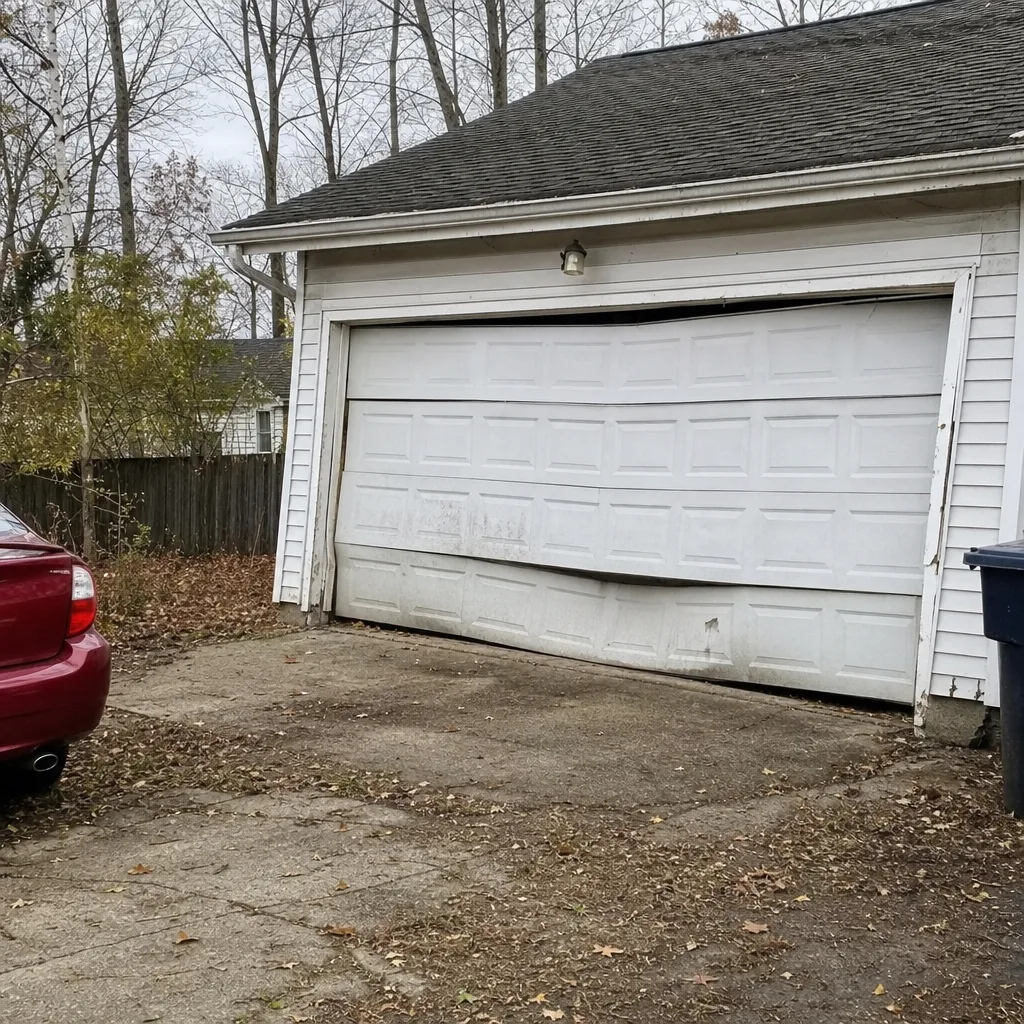 Before
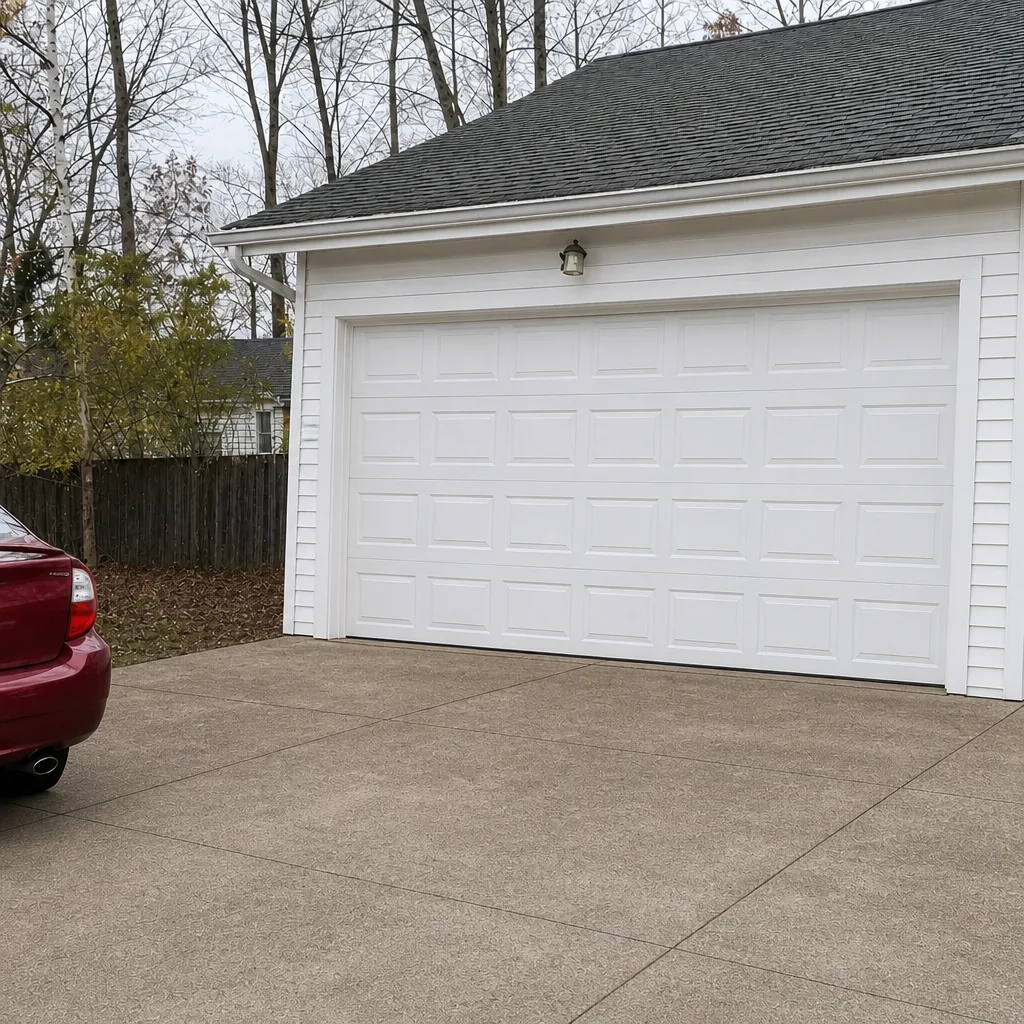 After
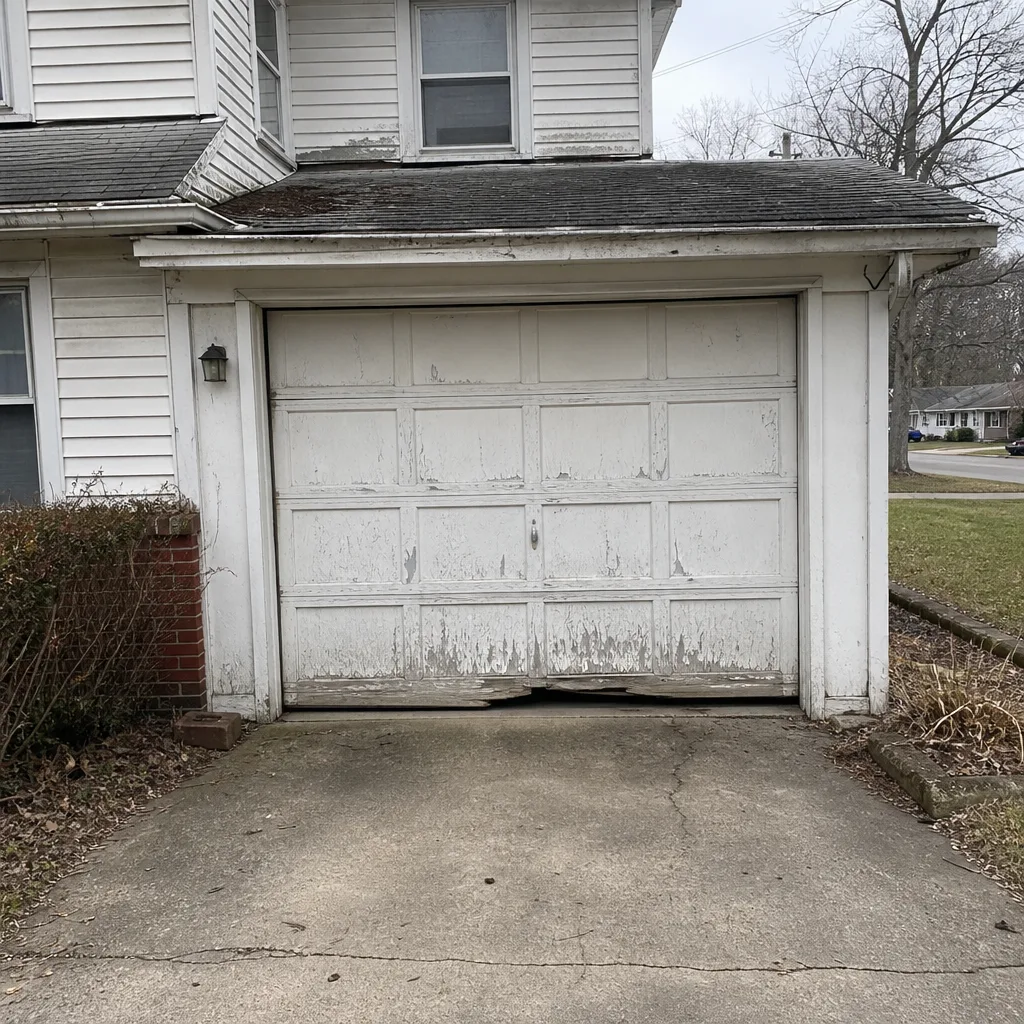 Before
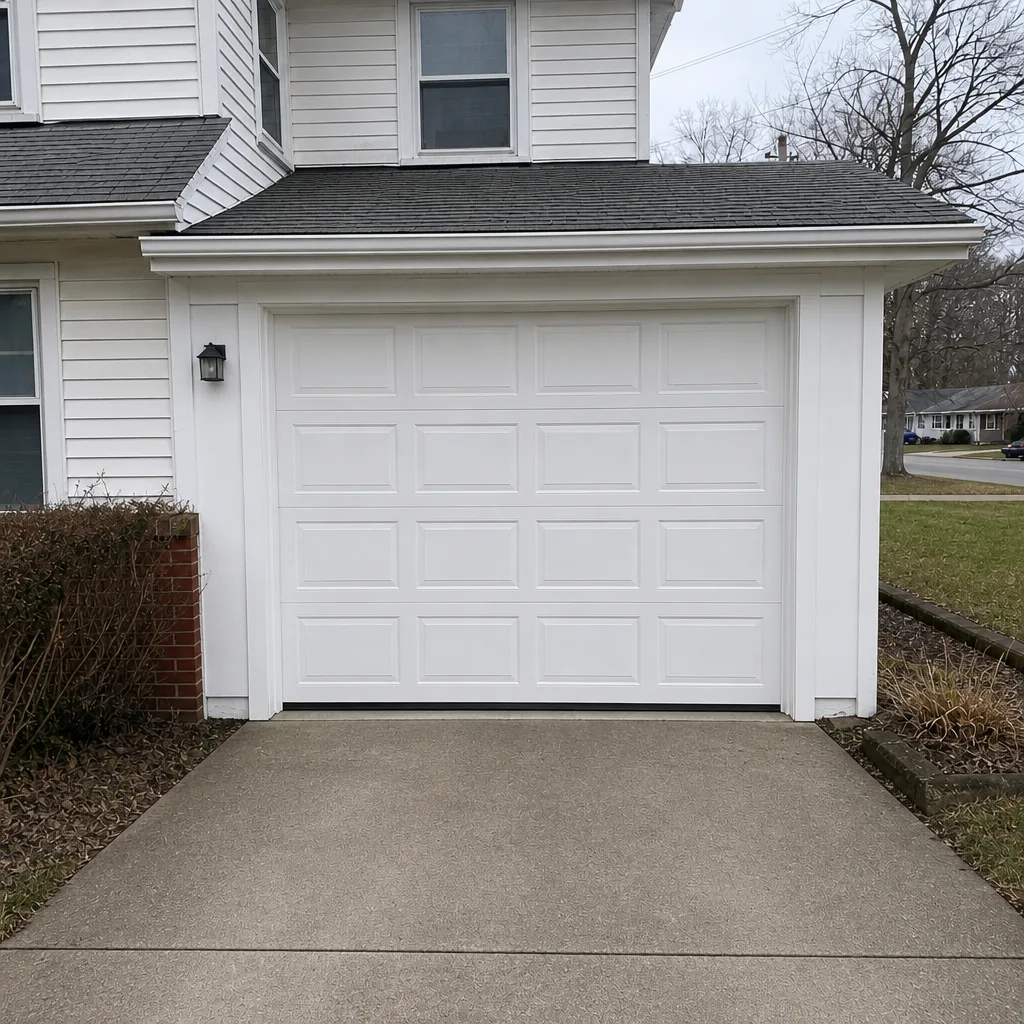 After
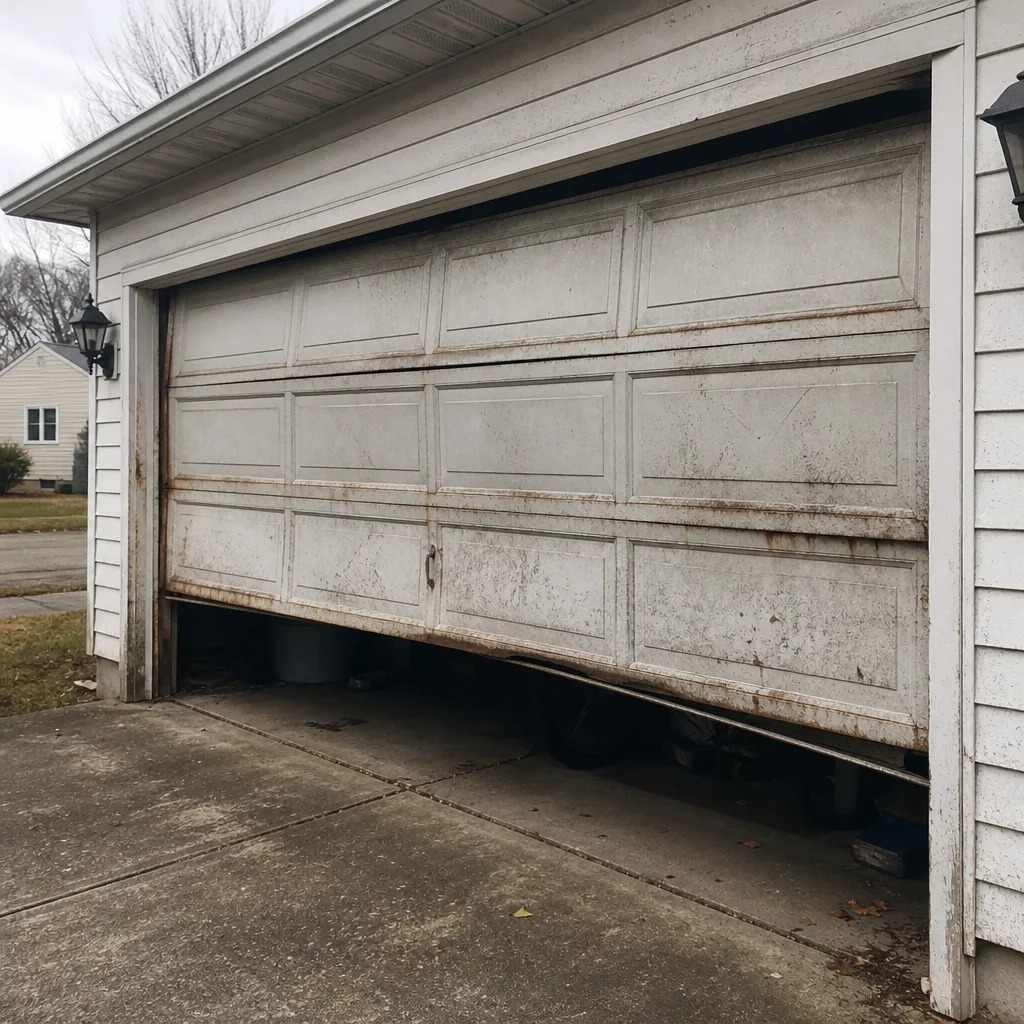 Before
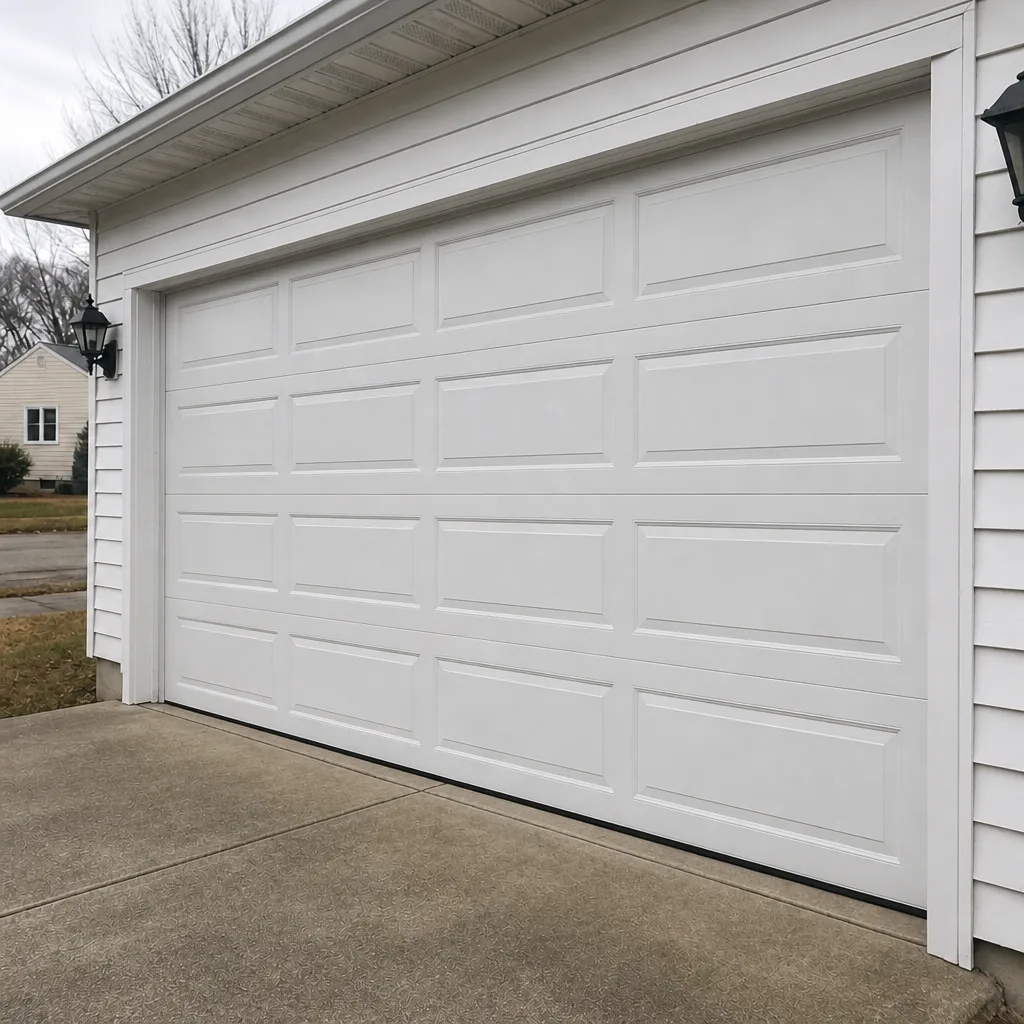 After
When to Call a Professional
Call a professional when the work touches structure, electrical, or the door’s safety system. That includes any change to the opening size, a header modification, a new electrical circuit, or a door that’s off its tracks or has a broken spring. Those aren’t DIY jobs, and the permit and inspection piece is exactly what keeps them safe. For straightforward repairs (a spring, a panel, a roller), a specialist can handle it without a permit. For anything involving the wall or the wiring, get a licensed professional and a permit. Garage Door Repair Youngstown offers free estimates in Youngstown for both the repair side and the installation side, and we’ll tell you plainly whether your job needs a permit. Call (888) 694-1055. Our technicians service all major brands, including LiftMaster, Chamberlain, and Genie, and we work on the brand already in your garage.
Frequently Asked Questions
Usually not, if it’s a like-for-like replacement of the same size door in the same opening. You do need a permit if the opening is enlarged, the header is modified, or the job includes new electrical work for an opener. Call the City of Youngstown building department with the details of your specific job before work starts, and call (888) 694-1055 for a free estimate.
Only if the opener requires a new electrical circuit. Replacing an opener on its existing outlet and wiring is a repair and doesn’t need a permit. Adding a new circuit from the panel does, and that circuit needs a rough-in electrical inspection before drywall. Call (888) 694-1055 for an exact quote on opener work.
Request the property’s permit history from the City of Youngstown building department, typically by address. Look for issued permits, closed permits, and recorded inspections. A permit that was issued but never closed shows up as a problem at sale. If you need to know what’s installed, call (888) 694-1055 for a free estimate.
The current owner (the seller) usually has to resolve it, either by pulling a permit retroactively and passing inspection, or by correcting the work. Sometimes it’s negotiated into the closing price. It rarely disappears, so it pays to permit work up front. Call (888) 694-1055 for a free estimate on bringing the work up to standard.
No. Replacing a torsion or extension spring on an existing door is maintenance under Ohio’s residential code and is exempt from permit requirements. That’s true whether the spring is original or was replaced before. Spring work is safety-critical, so have it done by a trained professional. Call (888) 694-1055.
No, the price we quote is the price you pay, and we agree it in writing before any work starts. If something changes in the scope, we tell you and re-quote before proceeding. No invoice surprises. Call (888) 694-1055 for a free estimate in Youngstown.
The Bottom Line
Most garage door work in Youngstown is exempt from permits. Same-size door swaps, spring replacements, panel changes, and opener repairs on existing wiring don’t need one. What does need a permit: structural changes to the opening, header modifications, enlarged openings, and new electrical circuits for an opener. The three categories are separate and each has its own inspection, and the inspection is the part that keeps the work safe. Skipping a permit on structural or electrical work is one of the costliest oversights a homeowner can make, and it’s the seller who usually pays for it at closing. Check the permit history before you buy or sell, ask the City of Youngstown building department when the scope isn’t obvious, and get a written estimate before work starts. Garage doors are all we do, and we’re glad to walk you through what your specific job requires. Call (888) 694-1055 for a free estimate in Youngstown.
Written by the team at Garage Door Repair Youngstown.