Last updated November 22, 2026
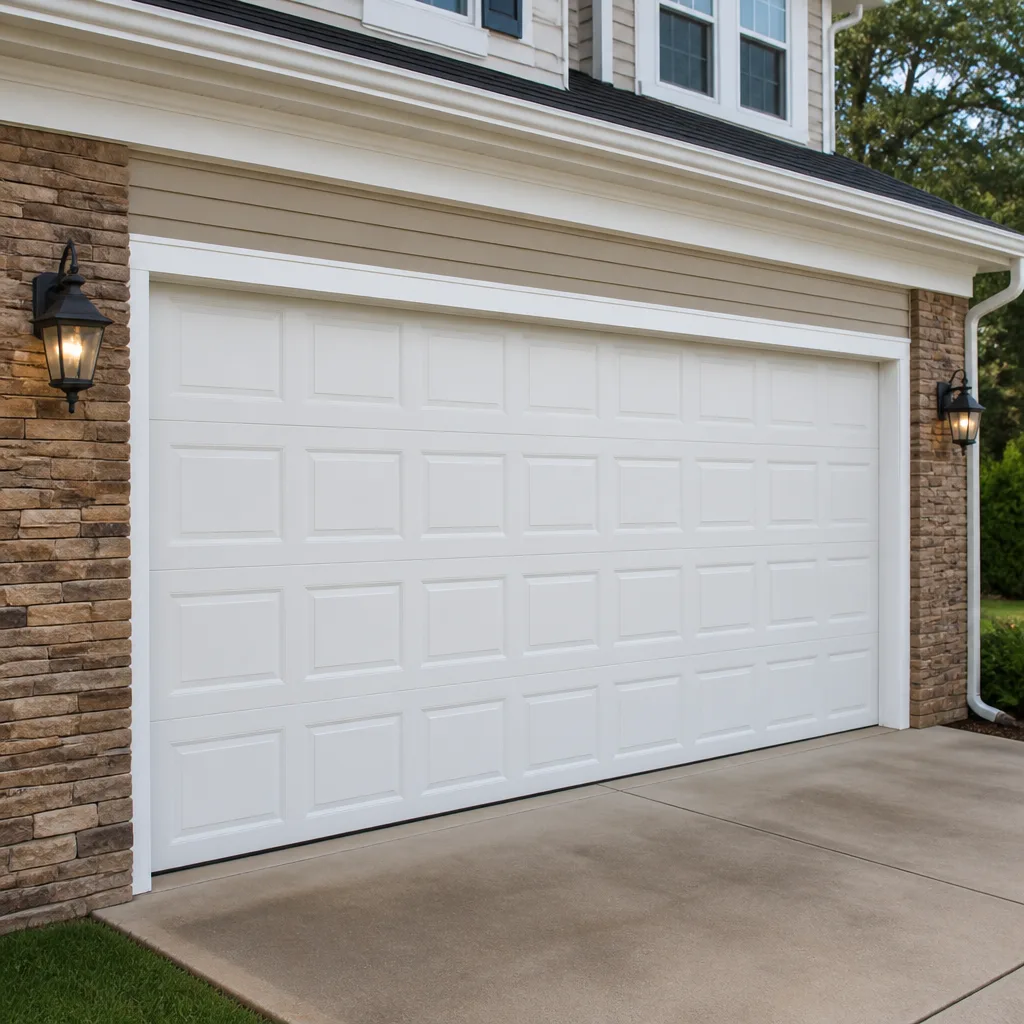 Raised-panel steel
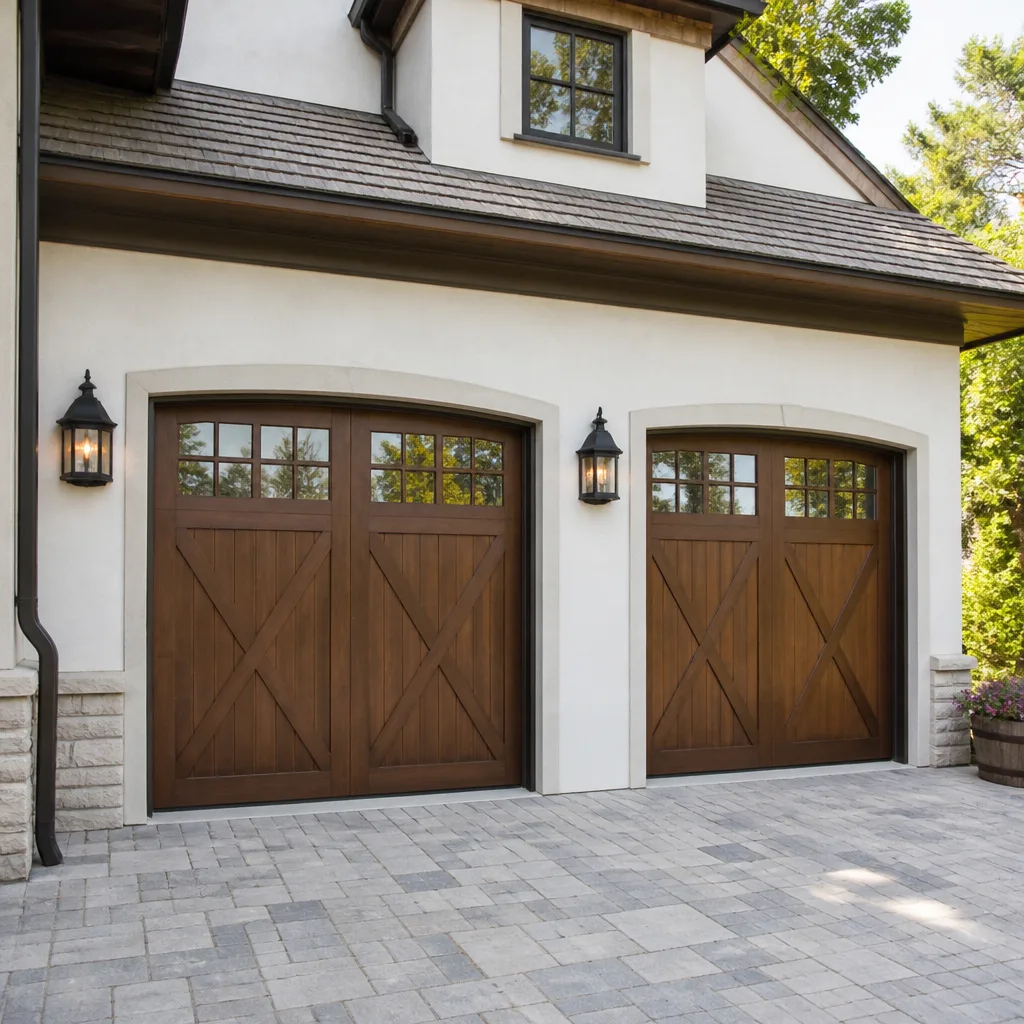 Carriage house
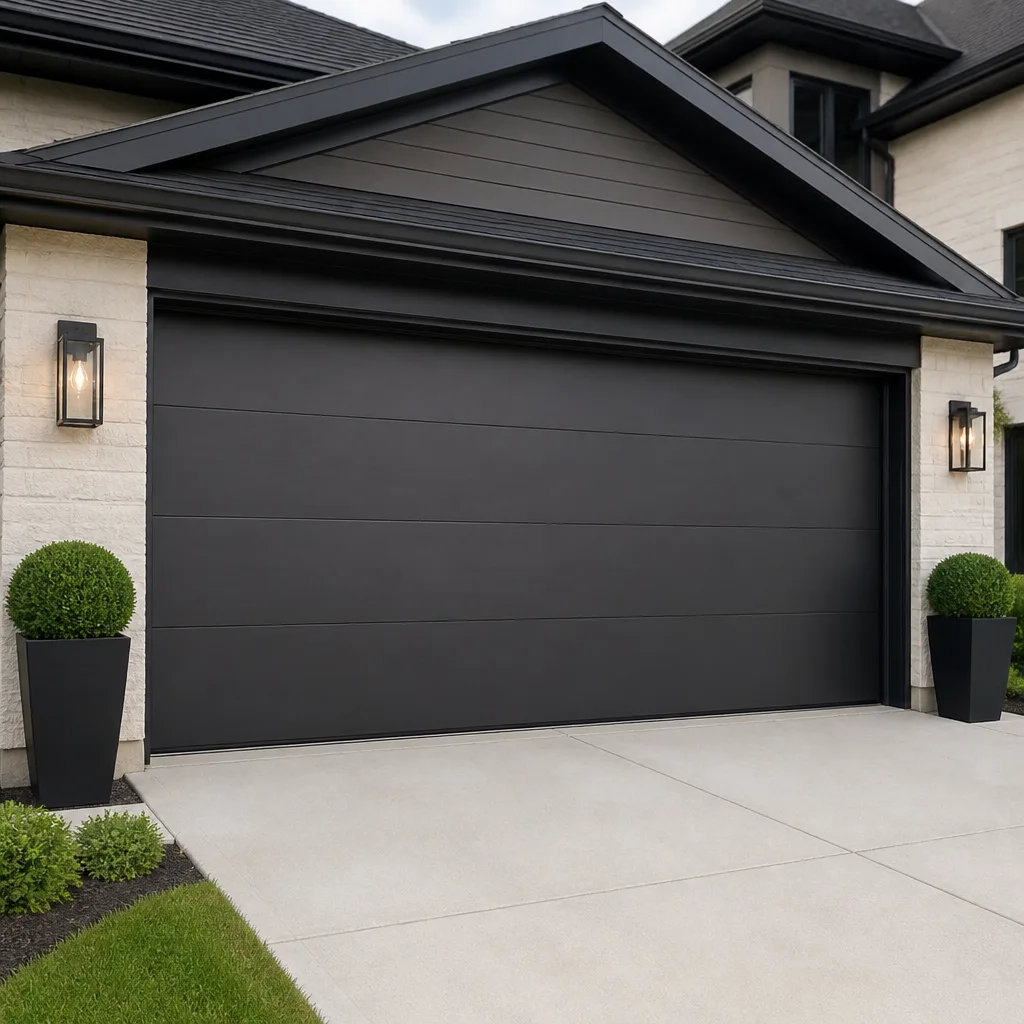 Modern flush
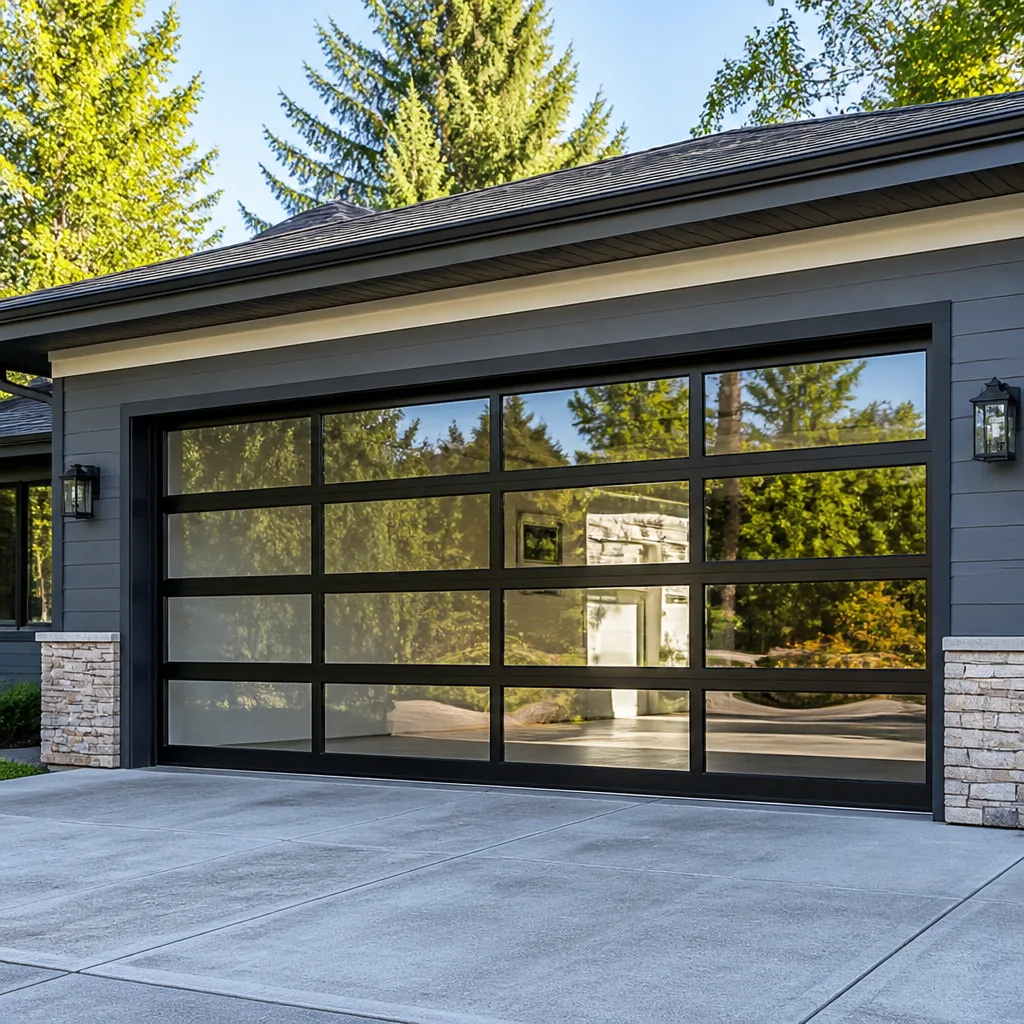 Full-view glass
 LiftMaster openers
 Chamberlain openers
Full 25-point door and opener safety check with every visit - springs, cables, rollers, tracks, and your LiftMaster or Chamberlain opener included
You get a price before we start. It does not change when the pro arrives.
Get your free estimateSeasonal Garage Door Care for Youngstown: Year-Round Homeowner’s Guide
Most garage door advice you’ll find online is written for a climate that doesn’t exist here. It tells you to “lubricate in spring and check the door in fall,” as if weather were a calendar. Youngstown doesn’t work that way. This region averages around 42 inches of snow a year, and it’s normal to see the temperature swing 40°F inside 48 hours. Those swings are what break things: a spring that was fine at noon can let go by morning, a bottom seal can weld itself to the slab overnight, and an opener battery that seemed healthy can quit the first cold week. Timing matters more than the task itself. This guide maps garage door care to what Youngstown weather actually does, season by season, so you’re working ahead of the failure instead of reacting to it.
Quick Answer
In Youngstown, the right time to lubricate springs and rollers is late fall, before the first hard freeze, not during or after it. The highest-risk moments for a garage door here are the first deep cold snap, any freeze-thaw stretch in late winter and early spring, and the humid summer weeks that stress wood door sections. A full hardware inspection belongs in September, not November, because that gives you time to fix small problems before winter load arrives.
Styles & brands we work with
- Raised-panel steel
- Carriage house
- Modern flush
- Full-view glass
- LiftMaster openers
- Chamberlain openers
Table of Contents
- Why Timing Beats the Task in Youngstown
- The Pre-Winter Protocol: Lubricate Before the Freeze, Not After
- When Your Bottom Seal Freezes to the Floor
- Spring Thaw Checks: Alignment After Freeze-Thaw Cycles
- Summer Humidity and Wood Door Sections
- Why September Is Inspection Month
- Opener Care Across the Seasons
- The Youngstown Seasonal Maintenance Calendar
Why Timing Beats the Task in Youngstown
A garage door is a system under constant tension. Springs hold the door’s weight, cables transfer that load, rollers track it, and the opener supplies the push. Every one of those parts behaves differently at 20°F than at 75°F. Metal contracts. Grease thickens. Rubber hardens. Wood swells and shrinks. When the temperature moves 40°F in two days, all of that happens at once, and the door absorbs the stress.
That’s why a task done at the wrong time can be worse than not doing it. Lubricating a spring in July does some good, but the protection that matters is the film of lubricant sitting on the metal when the first freeze arrives. Checking alignment in November tells you there’s a problem, but by then you’re fighting ice and cold to fix it. In Youngstown, the calendar is the maintenance plan.
Here’s what the seasons actually ask of your door:
- Late fall: lubricate, tighten, and prep for freeze. This is the load-bearing season for maintenance.
- Deep winter: watch for frozen seals, sluggish openers, and the first sign of spring fatigue.
- Late winter and early spring: freeze-thaw cycles shift the ground under the slab and can throw the door off track.
- Summer: humidity works on wood sections and on the seals that keep weather out.
- Early fall: full hardware inspection while there’s still time to order parts and schedule work.
Mahoning County winters are hard on the hardware that holds the door up. If you’d rather not climb a ladder in the cold, that’s a reasonable call. Our garage door spring repair work covers the parts most affected by these swings, and technicians who handle it know what cold-weather failure looks like before it happens.
The Pre-Winter Protocol: Lubricate Before the Freeze, Not After
The single most important timing decision in this guide is when you lubricate. Do it in late fall, before the first hard freeze, so the lubricant is already where it needs to be when the cold lands. Lubricating during a cold snap, or after the door has started groaning, is working against the weather instead of ahead of it.
Why the timing matters so much: lubricant applied in warm weather spreads into the moving surfaces of springs, rollers, and hinges and stays there. Applied in the cold, it sits on top of hardened metal and doesn’t penetrate. And a dry roller in freezing weather takes the full load of the door on a surface that has lost its give. That’s how a roller cracks, and a crack at 6 AM on a cold morning means the door stops where it is.
Here’s the pre-winter sequence, in order:
- Clean the tracks. Wipe out grit and old hardened grease with a rag. Lubricant over dirt just makes grinding paste.
- Lubricate the springs. A light coat on the coils, not a heavy spray. Torsion and extension springs both benefit. Never stand under a spring while you do this, and if you see a visible gap or a stretched section, stop and call a specialist.
- Lubricate the rollers and hinges. A few drops at each moving joint. Rollers that squeal in summer will seize in winter.
- Check the weather seal along the bottom and sides. If it’s stiff, cracked, or pulling away, replace it before it freezes to the slab.
- Test the balance of the door. Disconnect the opener and lift the door by hand halfway. It should hold there. If it drops or won’t stay, the springs are tired, and that’s a professional call.
- Tighten the hardware. Bolts and brackets loosen over a year of use and vibration. A loose bracket in freezing weather is a stress point.
- Test the safety reverse. Put a piece of wood flat under the door and close it. It should reverse on contact.
Do this once in late October or early November and most Youngstown doors will run smoothly through the worst of it. If the door is a LiftMaster or Chamberlain system with a battery backup in the opener, check that backup in the same session. Cold drains batteries faster than heat, and a backup that’s flat when the power goes out is no backup at all.
When Your Bottom Seal Freezes to the Floor
It happens on the first really cold night: you hit the button, the opener hums, and the door doesn’t move. The bottom seal has frozen to the concrete. The wrong move, and the one most people make, is to hold the button down or hit it again and again. Forcing a stuck door is the most common cause of a snapped cable in winter.
A stuck seal means the opener is pulling against a bond it can’t break. The cable takes the load instead. When a cable snaps, the door can drop or twist in the tracks, and now you’re looking at more than a seal. Here’s what to do instead:
- Release the opener. Pull the manual release cord so the door is disconnected from the motor.
- Break the seal gently. Work a plastic scraper or a flat tool under the seal at one corner and ease it free. Don’t pry with metal against the concrete.
- Clear the ice. If there’s ice under the door, break it up and clear the threshold. A de-icing product helps, but check it isn’t one that stains concrete.
- Lift the door by hand slowly, a little at a time. If it moves freely, reconnect and test the opener.
If the door won’t free up by hand, or you hear a pop or see a slack cable, stop. A trained technician can free it without turning a stuck seal into a snapped cable. In our experience, most frozen-seal calls in Youngstown are preventable: a healthy, pliable seal and a clean threshold go a long way. If yours is already hardened, replacing it before winter is the cheap fix.
Spring Thaw Checks: Alignment After Freeze-Thaw Cycles
Late winter and early spring in Youngstown are the freeze-thaw months. Water gets into the ground and the hairline cracks around the garage slab, freezes overnight, expands, and thaws during the day. Repeat that for a few weeks and the ground under the slab shifts. The concrete pad can settle or heave slightly, and when the slab moves, the door that was perfectly aligned in December is now riding unevenly.
You’ll notice it before you see it. A door that’s off alignment often sounds different: a scrape, a shudder, or a rattle at one particular point in the travel. The rollers may look like they’re fighting the track. Left alone, that friction wears the tracks and puts strain on the opener, which is now pushing a door that doesn’t want to go straight.
Here’s the thaw-season check:
- Watch the door from the side as it opens. It should rise straight and level. A wobble or a lean is a warning.
- Look at the gap between the door and the frame on both sides. It should be even top to bottom.
- Listen. A new grinding or scraping sound means a roller or track issue.
- Check the track for bends or gaps where wheels leave the channel. A track that’s been pushed out of line needs realignment, not force.
- Look at the slab edge and the threshold. If there’s a visible crack or a lip of concrete pushing up, the door may be riding the slab.
A track realignment is a quick job for someone with the right tools, but forcing a misaligned door through its travel is how openers get burned out. If your door has been fighting the tracks since the thaw, our garage door repair service covers alignment and track work, and it’s worth having it looked at before the summer heat adds its own stress.
Summer Humidity and Wood Door Sections
Youngstown summers are humid, and humid air is hard on wood garage doors. Wood absorbs moisture in the summer and gives it up in winter, swelling and shrinking with the seasons. Over time that cycle loosens the joints and paint film, and moisture gets into the wood itself. The first sign is usually at the bottom, where the door sits closest to damp ground and gets the least air.
Early delamination is easy to spot if you know what to look for:
- Paint that’s bubbling, cracking, or peeling in a strip, especially along the bottom rail
- Joint lines that look like they’ve opened up or gone dark
- Soft spots if you press a thumbnail into the wood near a corner or the bottom edge
- A rough or fuzzy texture where the surface used to be smooth
- Visible separation between the wood core and the skin of the panel
Catch it early and you’re looking at sanding and repainting. Let it go and moisture works deeper into the core, and a panel replacement is the answer. Make checking the bottom two feet of the door part of your summer routine. That’s where humidity damage starts and where it’s cheapest to stop. A fresh coat of paint or a good sealant on a wood door before the rainy weeks is one of the simplest things you can do.
Steel doors deal with humidity differently, but not without problems. Moisture can get behind the paint and rust starts at the bottom edge, where water sits. Look for bubbling paint or a rough, orange-tinged surface. Also check the seals: a seal that’s dried and pulled away lets damp air and insects in. If you’re not sure whether your door needs a panel replacement or a full garage door repair, an inspection sorts it out.
Why September Is Inspection Month
Every guide tells you to inspect the door in fall. The missing part is which month. In Youngstown, September is the right one. November is too late. Here’s the reasoning: a full inspection turns up things that need parts, and parts need ordering and scheduling. In September, there’s time. In November, the first freeze is days away and you’re choosing between paying for an emergency call and leaving a problem to get worse through winter.
A September inspection covers:
- Springs: tension, wear, and any sign of fatigue. This is the most safety-critical check, and it belongs to a professional.
- Cables: fraying, kinks, or slack. A cable at the end of its life in September is a quiet risk by January.
- Rollers and hinges: cracks, wear, loose fittings.
- Panels and weather seals: condition and fit, before the wet season.
- The opener: motor, force settings, and battery backup. If your opener is a Genie or Crafted unit that’s been running for years, this is how you find out it’s time for attention.
- Balance and safety reverse: the two tests every inspection should include.
September inspection is also when you can ask the questions you don’t want to ask in a cold garage: what’s the age of this opener, how much life is left in these springs, is this door worth repairing or replacing. Those answers are cheaper to act on while the weather still cooperates.
If the inspection turns up a worn spring, our garage door spring repair is a same-day job in most cases, and doing it in September means the door is ready before winter tests it.
Opener Care Across the Seasons
The opener is the part of the system you touch every day, and it takes seasonal abuse just like everything else. Cold makes the motor work harder and the battery work less. Heat and humidity push the electronics. A little attention spread across the year keeps it reliable when you need it.
What each season asks of the opener:
- Late fall: test the battery backup if you have one, check the force settings, and confirm the safety reverse. Cold-weather power outages are when the backup matters, and that’s exactly when a dead battery shows up.
- Winter: listen for strain. A motor that labors against a cold door is doing more work than it should. If you have to hold the button to close it, that’s a force-setting issue, not a door problem.
- Spring: after the thaw, check that the opener isn’t fighting misaligned tracks. The opener gets blamed when the tracks are the problem often enough that technicians check tracks first.
- Summer: a light cleaning around the unit, a check of the wall button and remotes, and a look at the safety sensor alignment. Sun and heat can move a sensor off its line.
Smart-home integrated openers such as LiftMaster myQ and Chamberlain systems add one more layer: connectivity. If the app drops out, check the unit’s connection settings before anything else. Older traditional units have their own quirks, and familiarity with each is the difference between a quick fix and a part swap. When a unit does need work, our garage door opener repair covers the major residential brands, including LiftMaster, Chamberlain, Genie, and Raynor.
The Youngstown Seasonal Maintenance Calendar
Here’s the whole year in one place. The dates are approximate; watch the weather and act ahead of the first hard freeze and the first big thaw.
- September (early fall): full hardware inspection, safety reverse test, balance test, and plan for any repairs with time to order parts.
- October (late fall): clean and lubricate springs, rollers, and hinges; check weather seals; tighten hardware; check the opener battery backup.
- November to February (winter): watch for frozen bottom seals, listen for opener strain, and free a stuck door by hand, never by force.
- March to April (thaw): watch the door for wobble and uneven travel; check track alignment; look at the slab edge and threshold for movement.
- May to August (summer): check wood door sections for delamination and paint problems; check seals and sensor alignment; a fresh coat of sealant on wood doors before the rainy stretch.
If you keep the calendar simple, remember the two big rules: prepare in September and October, and inspect before winter, not during it. In our experience, the doors that cause trouble in January are the ones nobody looked at in September.
Common Mistakes to Avoid
- Lubricating in the middle of a cold snap. Lubricant has to go on warm and settle in before the cold arrives. Doing it when the door is already groaning doesn’t get into the moving surfaces.
- Forcing a door that’s frozen to the floor. The most common cause of a snapped cable in winter is holding down the button on a stuck door. Release the opener and free the seal gently.
- Overlooking the bottom seal. A stiff or cracked seal turns into a stuck door, a drafty door, and a rusty door. Replace it before winter.
- Doing a fall inspection in November. By then the parts and scheduling window has closed. September is inspection month in Youngstown for a reason.
- Forcing a misaligned door through its tracks after the thaw. A door that’s gotten out of alignment needs its tracks adjusted, not the opener pushing harder.
- Ignoring humidity damage on a wood door. A little bubbling paint in July is a small fix. Left all summer, it’s a panel replacement.
- Never testing the safety reverse. It’s the one test that protects people and pets, and it takes seconds. Do it at every seasonal change.
- Skipping the balance test. Lifting the door by hand halfway tells you the state of the springs better than a visual check. If it won’t hold, stop using it and call.
See the difference
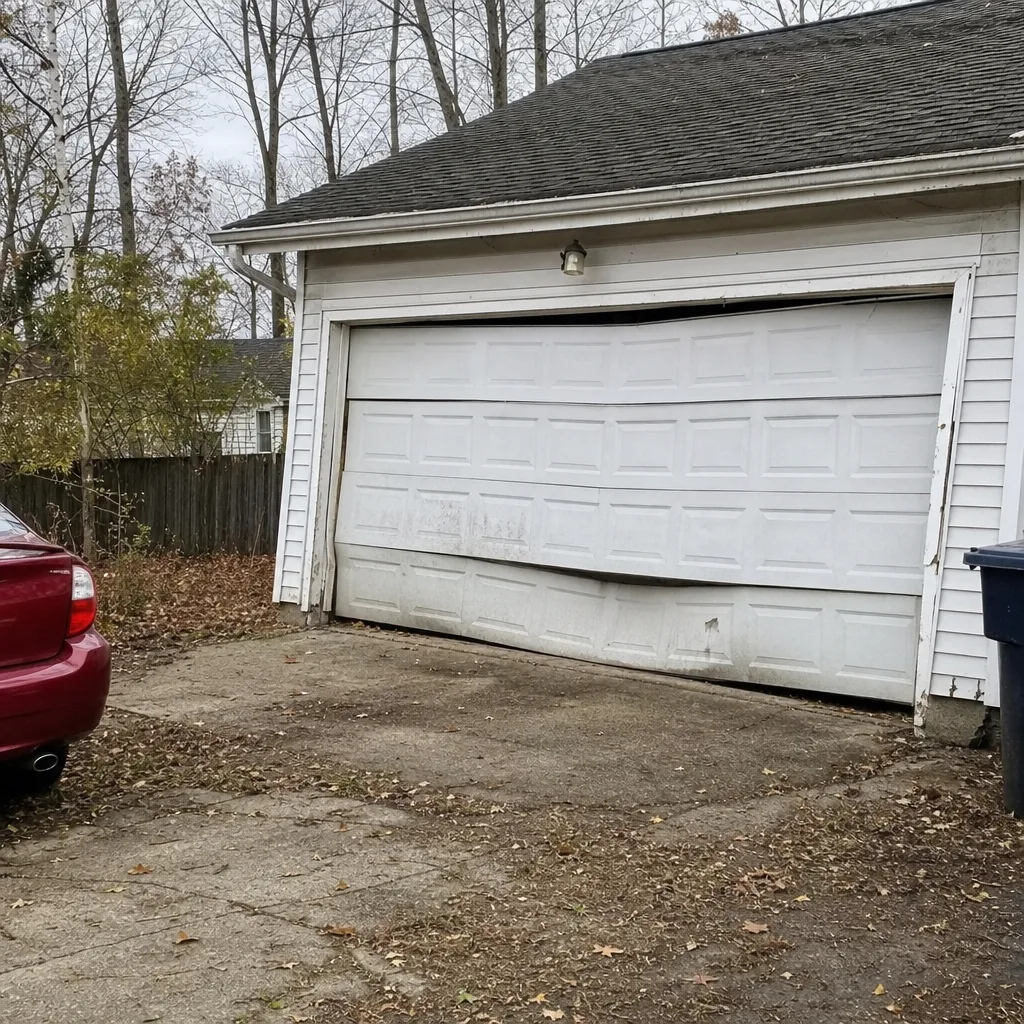 Before
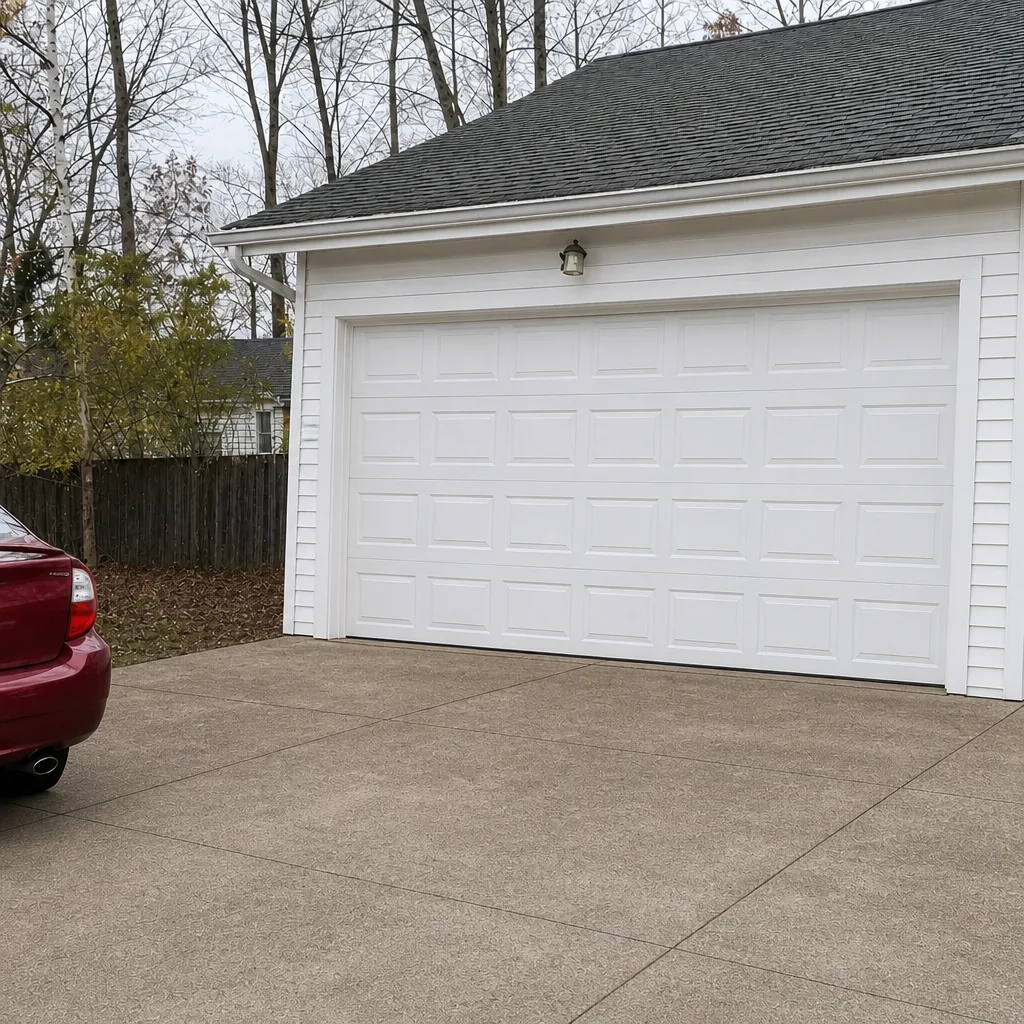 After
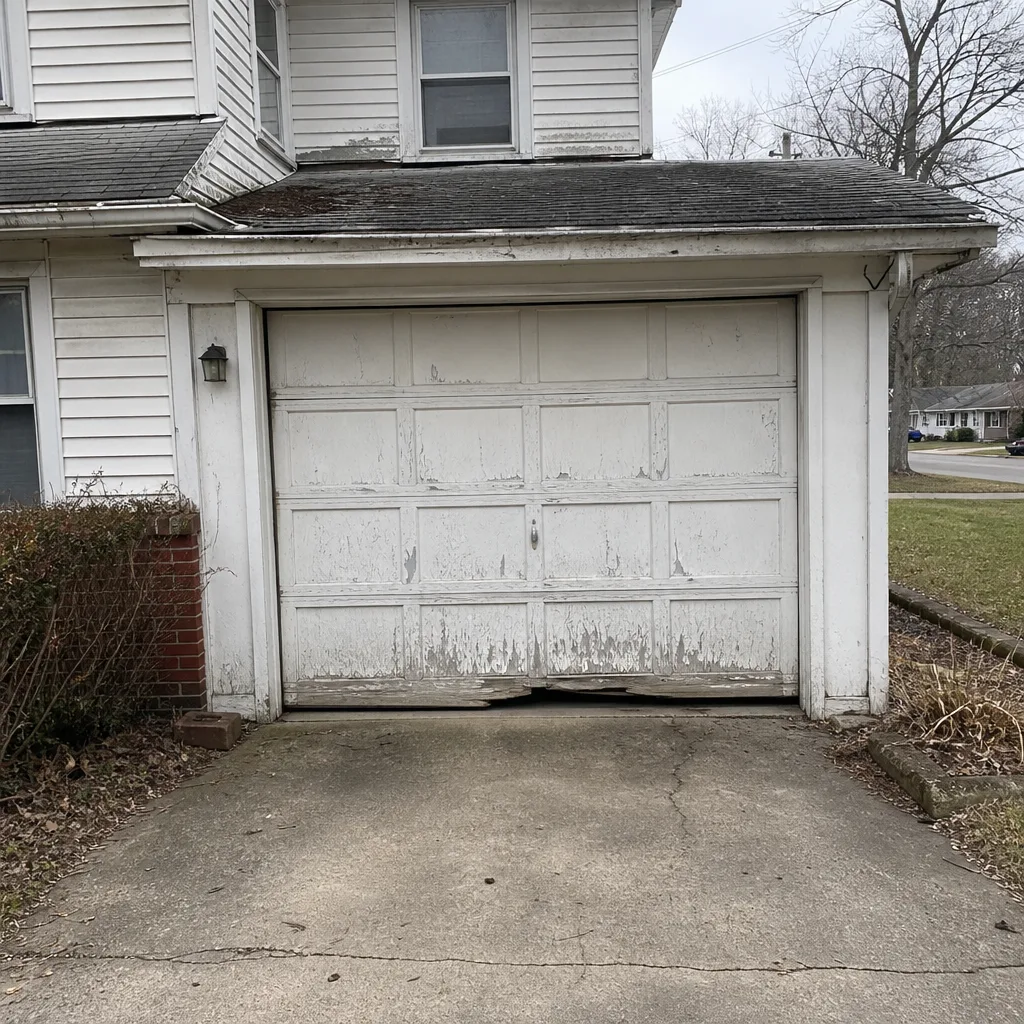 Before
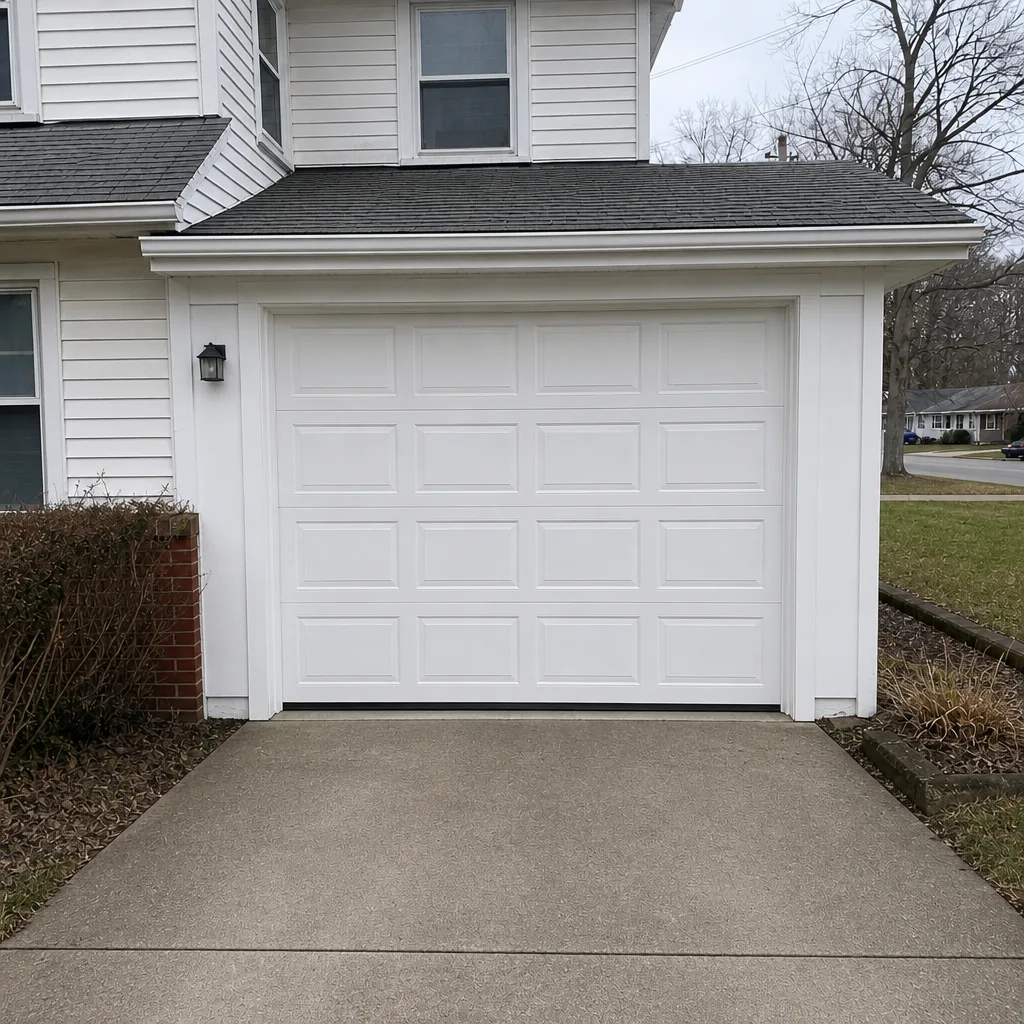 After
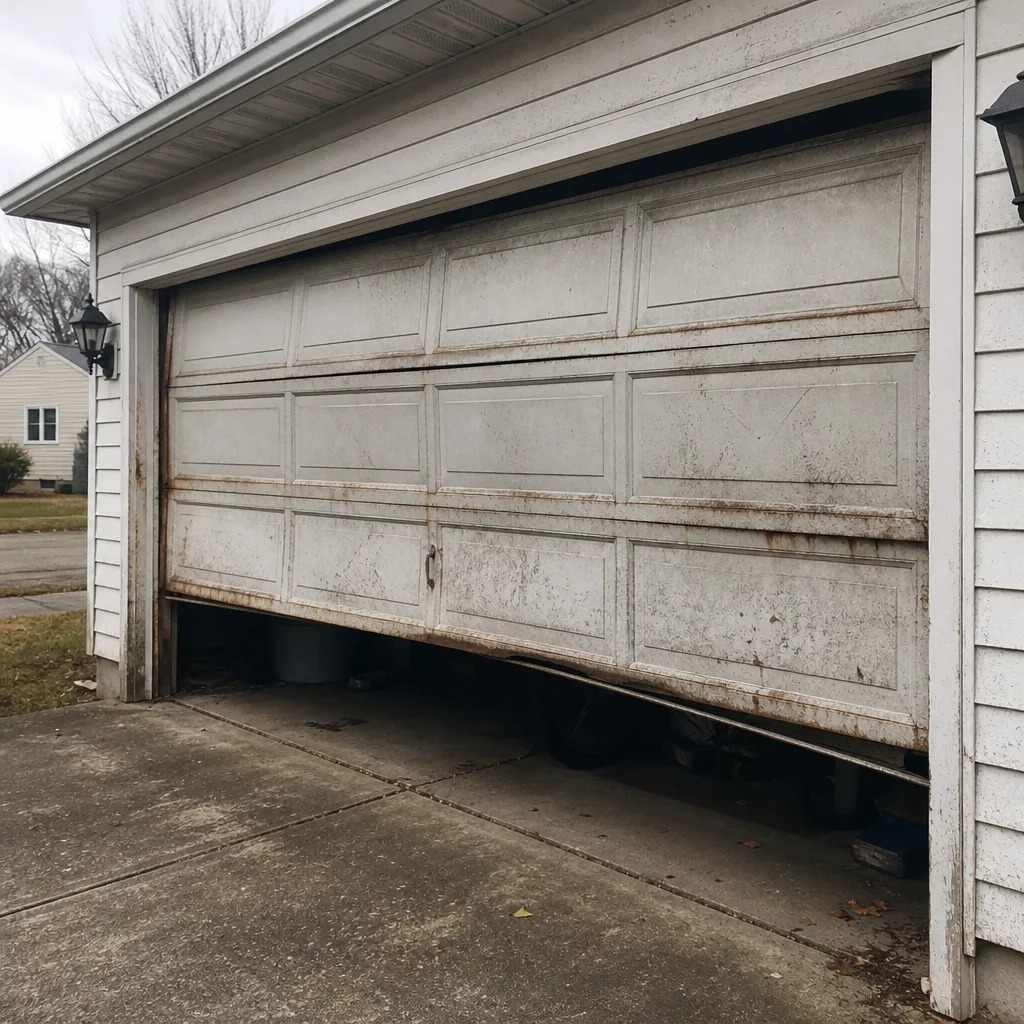 Before
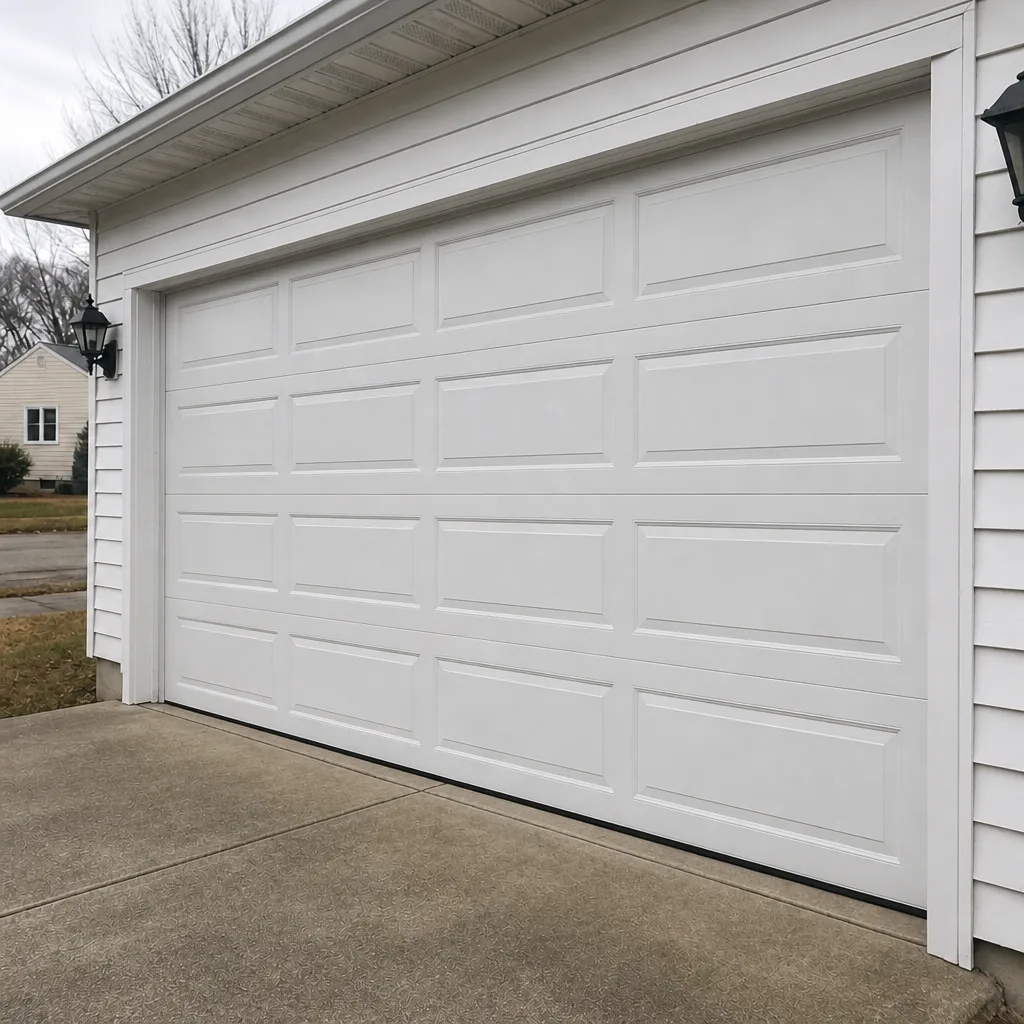 After
When to Call a Professional
Some of this guide is homeowner work: lubricating, cleaning, checking seals, testing the safety reverse. Some of it isn’t, and the line is not hard to see. Springs and cables are under heavy tension and can cause serious injury if handled wrong. A door that has come off its tracks or shows a visible gap in a spring is not a weekend project. Neither is an opener that trips a breaker, a door that won’t stay balanced, or a track that’s been bent. In any of those cases, stop using the door and call a trained technician.
The timing of the call matters too. If the September inspection finds a tired spring, fixing it then is simpler than fixing it in a January cold snap. Garage Door Repair Youngstown offers free estimates in Youngstown, and our technicians have up to 8 years of experience with the brands already in local garages. Call (888) 694-1055 and we’ll help you get the door ready for the next season rather than reacting to the next failure.
Frequently Asked Questions
Lubricate springs, rollers, and hinges in late fall, around October or early November, before the first hard freeze. Doing it during or after a cold snap doesn’t penetrate hardened metal, and the lubrication needs to be in place before winter load arrives. Call (888) 694-1055 if you’d rather have a technician handle the prep.
Your bottom seal has bonded to the concrete, usually after a thaw froze again overnight. Pull the manual release, break the seal gently with a plastic scraper, clear the ice, and lift the door by hand. Never hold the button down on a stuck door – that’s how cables snap. If it won’t free up, call (888) 694-1055.
Yes. A door with a snapped spring should not be used. The door’s full weight is now unsupported, and forcing the opener risks the door dropping. This is a safety-critical repair, and it’s the kind of job our same-day spring service is designed for. Call (888) 694-1055 for an estimate.
September leaves time to order parts and schedule work before the first freeze. An inspection in November turns up the same problems but leaves you choosing between an emergency call and a door that gets worse all winter. Call (888) 694-1055 to book a September inspection.
Signs of early delamination – bubbling paint, dark joint lines, a fuzzy or soft surface – usually mean repair. If moisture has worked into the core or a panel has separated, replacement of the affected section is more likely. Look at the bottom two feet of the door first. Call (888) 694-1055 for a free estimate on either.
They can. Repeated freezing and thawing moves the ground around and under the garage slab, and the door that was aligned in December can start riding unevenly in March. A wobble, a scrape, or uneven gaps at the sides are the signs. Call (888) 694-1055 before forcing a misaligned door through its tracks.
The Bottom Line
Garage door care in Youngstown is about timing more than tasks. Lubricate in late fall so the protection is in place before the freeze. Watch for stuck seals in deep winter and never force a frozen door. Use the thaw to check alignment, because freezing and thawing moves the ground and the ground moves the door. Check wood sections for humidity damage through the summer. And do the full inspection in September, while there’s still time to act on what it turns up. Get the calendar right and your door handles the 42 inches of snow and the 40°F swings without a surprise. Call (888) 694-1055 for a free estimate whenever the guide points to something a trained technician should handle.
Written by the team at Garage Door Repair Youngstown.