Last updated November 22, 2026
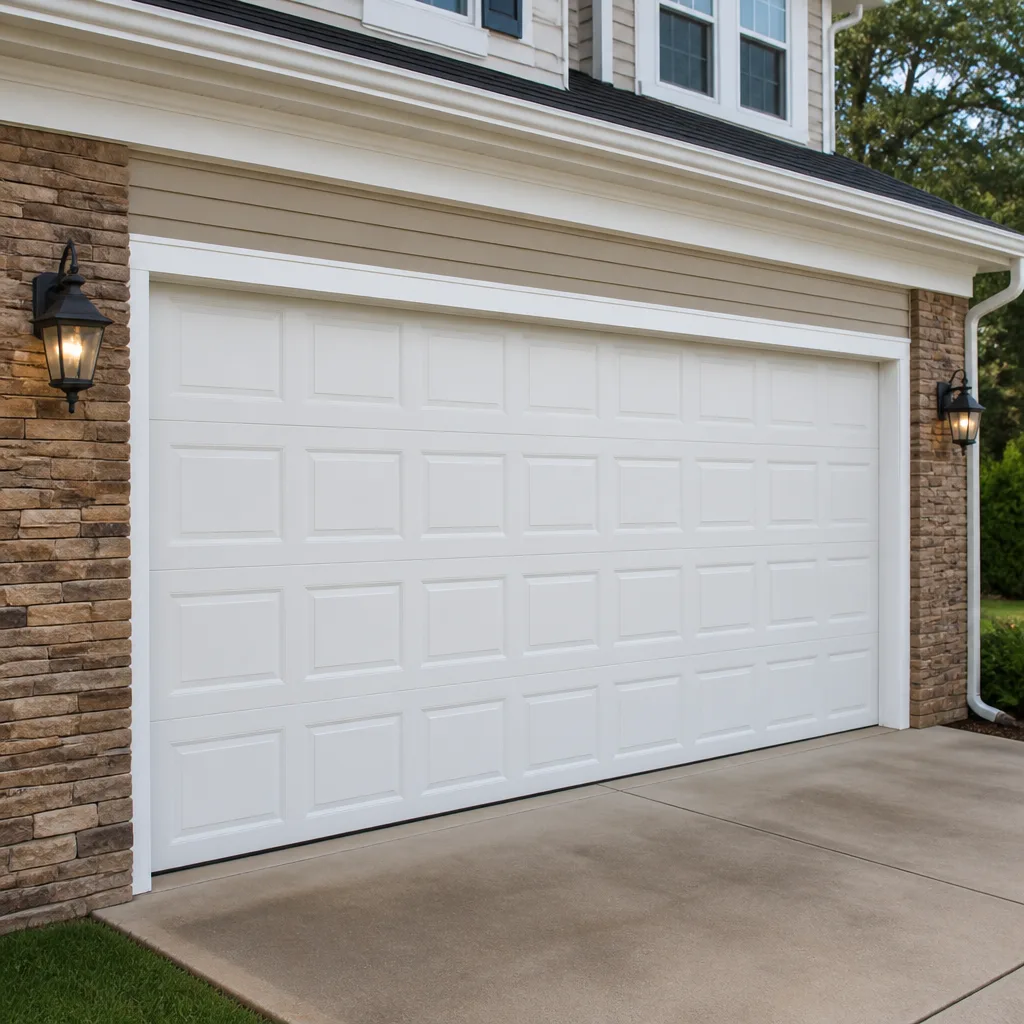 Raised-panel steel
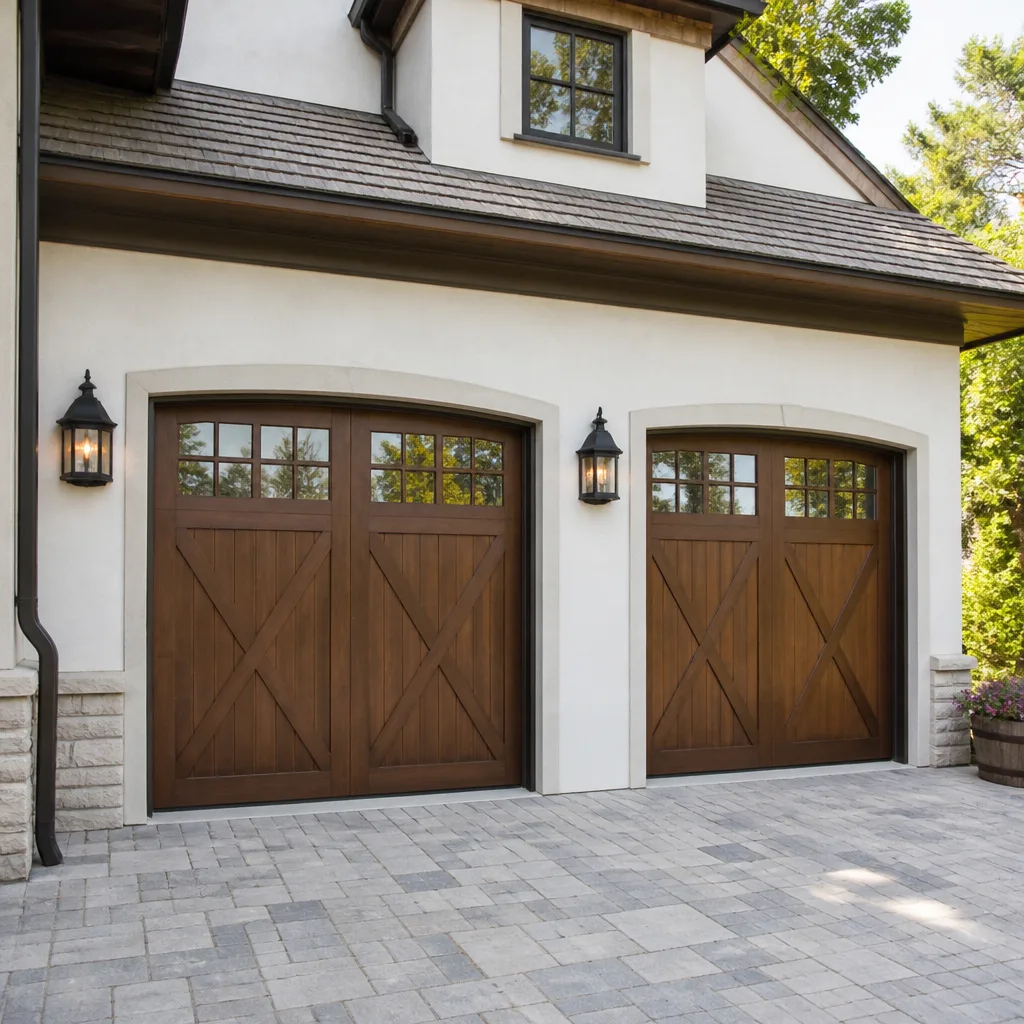 Carriage house
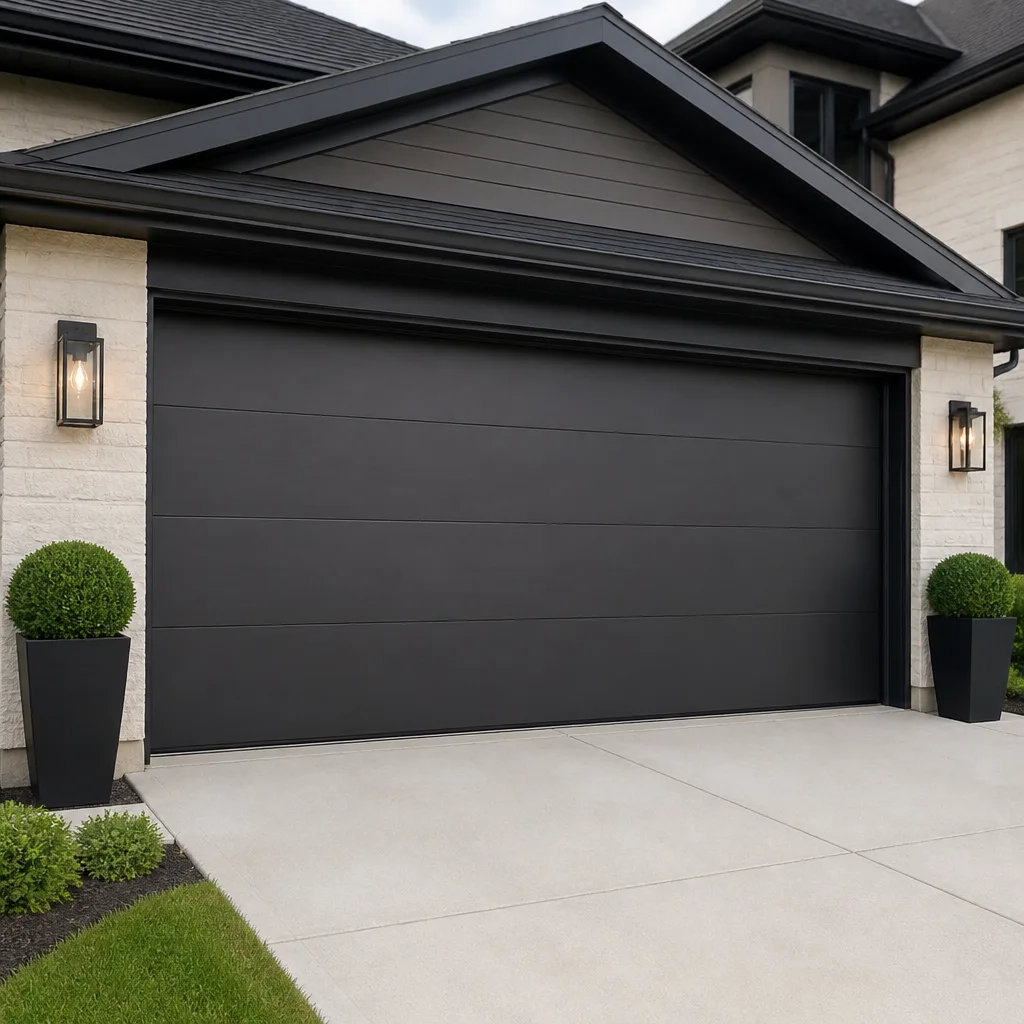 Modern flush
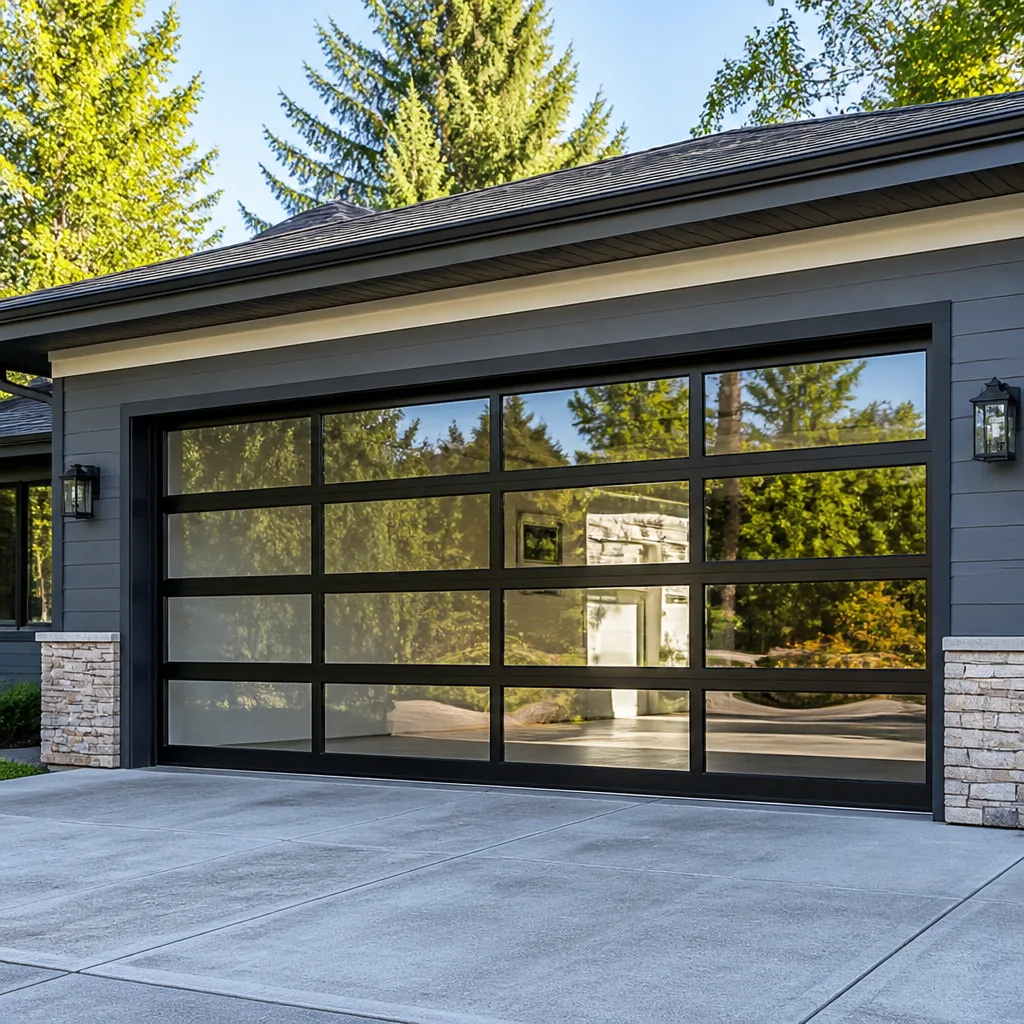 Full-view glass
 LiftMaster openers
 Chamberlain openers
Full 25-point door and opener safety check with every visit - springs, cables, rollers, tracks, and your LiftMaster or Chamberlain opener included
You get a price before we start. It does not change when the pro arrives.
Get your free estimateDIY vs Professional Garage Door: The Youngstown Homeowner’s Decision Guide
Most advice on this topic picks a side before it looks at the job. Either “never touch your garage door” or “anyone with a socket set can do it.” Neither is honest. The truth is that a garage door is a system made of parts with wildly different risk profiles. Painting a panel, swapping weather stripping, reprogramming a LiftMaster remote: those are yours to handle. A torsion spring under load is not. This guide draws the line precisely, task by task, with the reasoning behind each call, so you can decide for your own door in Youngstown instead of guessing.
Quick Answer
Safe DIY garage door work is limited to cosmetic and low-tension tasks: painting, lubricating, replacing weather stripping and rollers, and programming remotes or keypads. Anything involving torsion or extension springs, cables, the bottom bracket, or the track geometry is professional-only work, and the spring line is absolute. Everything else, like opener motor swaps or panel replacement, sits in a middle zone where the right call depends on your tools and your comfort level.
Styles & brands we work with
- Raised-panel steel
- Carriage house
- Modern flush
- Full-view glass
- LiftMaster openers
- Chamberlain openers
Table of Contents
- The Three Buckets: Safe DIY, DIY With Caution, Professional Only
- Why Torsion Springs Are the Hard Professional Line
- Three Questions That Tell You If You’re Ready
- The Honest Cost Comparison
- What Youngstown Housing Stock Changes About “Standard” Tasks
- Cold-Weather Reality on a Northeast Ohio Door
- When Your Brand Decides the Answer
- Common Mistakes to Avoid
The Three Buckets: Safe DIY, DIY With Caution, Professional Only
Splitting garage door work into two camps is too coarse. Three is the useful number, because the middle bucket is where most homeowners actually get stuck. Here’s where the tasks fall.
Safe DIY (no special training needed)
- Painting or staining the door panels. Prep and finish work, nothing mechanical.
- Replacing weather stripping and bottom seals. The door stays closed and under tension the whole time.
- Lubricating hinges, rollers, and tracks. A can of garage door lubricant and ten minutes.
- Programming remotes and keypads. On a LiftMaster or Chamberlain unit this is a follow-the-manual exercise.
- Replacing plastic rollers with nylon ones. Quiet, cheap, and the door stays in place if you work one roller at a time with the door closed.
- Cleaning and aligning photo-eye sensors. A common cause of “my door won’t close” calls that takes five minutes to sort out.
DIY With Caution (real instruction and the right tools required)
- Replacing metal rollers. If a roller binds under load, the door can drop a section. Work with the door closed and a second person holding the door.
- Swapping an opener motor. Electrically simple, but the header bracket and rail alignment have to be right or you’ll fight the door forever.
- Adjusting opener travel limits. Fine to do yourself, but only if you understand what you’re changing. A door that doesn’t fully reverse is a safety problem.
- Replacing a single panel. Doable on many Clopay and Amarr doors, but panel order codes and hinge spacing vary enough that ordering the wrong one is common.
Professional Only
- Torsion spring replacement. The line does not move on this one.
- Extension spring replacement. Less energy stored than torsion, still enough to matter.
- Cable replacement. Cables are under tension and snap back with force.
- Bottom bracket work. This part carries cable tension and is a known injury point.
- Track realignment after an impact. Bending a track back rarely works and usually damages a door section.
- Replacing the door itself. Weight, spring matching, and header attachment all come into play.
If your task lands in the third bucket, that’s exactly the kind of work we handle, and you can read more about garage door spring repair if the spring is what’s failed.
Why Torsion Springs Are the Hard Professional Line
A torsion spring stores mechanical energy by being wound around a steel shaft above your door. When the door closes, the spring winds tighter. When it opens, that stored energy lifts a door that often weighs well over a hundred pounds. A broken spring releases all of that energy at once, which is why OSHA flags torsion springs as a hazard and why we treat every spring job as safety-critical rather than routine.
The specific failure mode that matters isn’t the spring breaking on its own. It’s what happens during the repair. Winding bars have to be inserted into the spring cone and turned in a controlled sequence to add or remove tension. If a bar slips out of the cone while tension is on it, or if the wrong diameter bar is used, the bar can whip around the shaft. That’s the injury. It isn’t a scratch or a bruise. It’s a reason no one should be learning this task in their driveway.
The other trap is mismatched springs. Torsion springs are matched to the door’s weight by wire gauge, inside diameter, and length. Install a spring with the wrong spec and the door may open with a bang, drift down, or bind the opener. On a door with two springs, replacing just one usually means the other fails soon after, which is why matched-pair replacement is standard practice. That’s the reason spring work is professional-only: the failure isn’t the spring, it’s the stored energy during the repair, and matching requires knowing the door’s actual weight and the spring specs.
What to do if a spring breaks
- Don’t run the opener. A door with a broken spring is unbalanced and the opener is not built to lift it.
- Leave the door closed if it’s down, or prop it safely if it’s stuck open. Never stand under a door held up only by the opener.
- Keep kids and pets away from the door until it’s repaired.
- Call for service and book a repair. Spring work is a same-day call for us, and we treat it as urgent for exactly the reasons above.
Three Questions That Tell You If You’re Ready
Skill level is a vague thing to self-assess. Concrete questions are better. If you can’t answer all three about your own door, the task you’re considering belongs in someone else’s hands. This is the benchmark we’d give a friend.
- What type of spring system does your door use, and where is it mounted? Torsion springs sit on a horizontal shaft above the door. Extension springs run along the horizontal tracks on either side. If you don’t know which you have, you’re not ready to touch anything near them.
- What’s the door’s approximate weight, and what opener is currently lifting it? Door weight decides spring spec. Opener capacity decides whether a swap makes sense. You can find this on the door’s spec sticker or the opener’s label, but if you don’t know where to look, that’s your answer.
- What are the spring’s wire gauge and inside diameter? Both numbers appear on the spring coil itself or in your door’s documentation. Without them, no spring order is right, and no adjustment is safe.
There’s also a tools benchmark. You need a proper set of winding bars sized to your spring’s cone, a solid ladder, and C-clamps or locking pliers to secure the door during any work near moving parts. Improvised tools, screwdrivers in place of winding bars, or a ladder propped on a sloped driveway are how people get hurt. If you don’t own the correct tools, the cost of buying them often exceeds the service call.
A mechanical confidence check
If you’ve replaced a water heater element, restrung a bicycle derailleur, or adjusted a car’s drum brakes, you’ve worked with parts under tension and you’ll recognize the caution required. If your usual repair involves a screwdriver and a YouTube tab, that’s a different starting point, and there’s no shame in it. A garage door is a live mechanical system, not a furniture assembly.
The Honest Cost Comparison
Here’s where we’ll be direct, because the DIY question usually comes down to money. Some tasks save real dollars when you do them yourself. Others cost more once something goes wrong. These are typical estimated ranges for the Youngstown market, not quotes. Your written estimate sets the final price once the job is in front of a technician.
- Weather stripping replacement: around $75 to $150 for a pro job. DIY saves most of this, and the material runs a fraction of it. This one is worth doing yourself.
- Roller replacement set: around $100 to $200 for a full set installed. DIY brings the material cost down to a modest hardware-store line item.
- Remote and keypad programming: minimal pro cost, but often handled free as part of a service visit. DIY here is trivially easy on a Chamberlain or Genie unit.
- Single torsion spring replacement: around $180 to $340. A pair usually costs about twice that because the springs are replaced together. DIY is not on the table here, and the reason isn’t money.
- Track realignment after an impact: around $250 to $500 or more depending on damage. An attempt to bend a track back yourself frequently damages a door section, which turns a realignment into a full door replacement.
- Opener motor replacement: around $350 to $650 installed, widely variable by model. Buying the opener yourself and installing it can save the labor line, but only if the header bracket and rail go up correctly.
The pattern is clear. The tasks where DIY saves meaningful money are low-stakes, low-tension, and easy to inspect afterward. The tasks where DIY creates a bigger problem involve energy, alignment, or the weight of the door. On those, a service call is cheaper than a broken door section, and much cheaper than an injury.
If your door is already off track or the opener is dead, our garage door repair page covers what a repair visit covers and how we price it.
What Youngstown Housing Stock Changes About “Standard” Tasks
Generic garage door advice assumes a stock door in a stock opening. Much of Youngstown doesn’t fit that. Older homes across the city, from the neighborhoods around Mill Creek Park to the blocks up in Idora, frequently have garage doors that were retrofit into buildings that were never designed as garages. That changes what “standard” means.
A converted carriage house or a garage built into a hillside often has a header height below today’s common eight-foot opening. A shorter opening means a shorter door, which means a different spring count and weight. What looks like a standard panel replacement can turn into a custom-order panel because the section width doesn’t match today’s common sizes. What looks like a one-for-one opener swap can stall because the door’s weight pushes the opener’s lift capacity.
Add to that a lot of homes with original or older track hardware. If you’re replacing rollers on a 30-year-old door, the hinges and the track itself may be worn enough that the improvement is short-lived. This is where a homeowner in Youngstown can do everything right and still end up calling us a month later.
The practical takeaway is this: before you order a part online for your door, measure the opening and the panel, check the door’s weight and spring mount, and confirm the opener’s model number. If any of those don’t match standard specs, the “easy” DIY task may not be easy. When in doubt, a free estimate and a measure from someone who does this all day saves you the cost of a return.
Cold-Weather Reality on a Northeast Ohio Door
Youngstown’s winters stress garage doors in ways that summer doesn’t. Spring steel gets less ductile as temperatures drop, which is why a great many spring failures happen in the cold months. That’s not a scare line; it’s a reason to pay attention to a door that’s been making noise or opening sluggishly as the season turns.
For the DIY tasks, cold weather makes the case stronger, not weaker. A weather-stripping job in October is far more pleasant than one in January, and it directly affects how much cold air gets into the garage or any room behind it. Lubricating hinges and rollers before the first hard freeze keeps them moving smoothly when the temperature drops. Reprogramming a wireless keypad is a five-minute job you’ll appreciate not doing with gloves on.
For mechanical work, cold adds risk. A garage that’s 20 degrees inside is not a place to attempt roller replacement on a ladder, and a spring under tension in cold steel is even less forgiving. If your door is struggling in the cold or the opener is straining, that’s a call-a-professional trigger, not a DIY opportunity. Our garage door opener repair page covers the opener side of that conversation.
When Your Brand Decides the Answer
Brand fluency matters more on a garage door than it might seem. Different manufacturers use different spring mounts, different hinge styles, and different opener protocols. The parts aren’t interchangeable, and the tolerance windows aren’t the same.
On the opener side, if you own a LiftMaster or a Chamberlain, remote programming and travel-limit adjustment are usually straightforward and well documented, and a confident homeowner can handle both. Genie units have their own quirks, particularly on older models where the wireless protocol differs. Raynor doors are common in residential installs and use parts specific to that manufacturer, which is a reason a generic hardware store roller set often doesn’t fit cleanly.
The practical point for this guide: on a LiftMaster or Chamberlain opener, programming and basic adjustment are genuinely DIY. On spring, panel, and track work, brand is the reason you want someone who has worked on your exact door before. We work on the brand already in your garage because knowing the tolerances saves time, and on doors, it saves parts. Garage doors are all we do, across Raynor, LiftMaster, Chamberlain, Genie, Clopay, Amarr, Wayne Dalton, Craftsman, and the rest of the residential market.
Common Mistakes to Avoid
- Cutting a torsion spring to “shorten” it. This changes the spring rate and can make the door dangerous. Springs are replaced, not modified.
- Bending a damaged track back into place. A bent track rarely returns to its original line, and the distorted shape wears rollers and door hinges. In Youngstown’s older homes, worn track is often the real reason a door runs rough.
- Using a screwdriver as a winding bar. Wrong diameter, wrong length, no engagement in the cone. This is how winding injuries happen.
- Replacing one spring when two failed together. On a matched-pair system, one spring carries the wear of both. Replace them together.
- Ignoring the safety reverse test. A door that won’t reverse on contact with an object is a serious hazard, especially on a young family’s driveway. Test it every few months, and call if it fails.
- Running the opener on a door with a broken spring. The motor isn’t rated for the unbalanced load, and the result is usually a stripped gear and a second repair.
- Ordering parts by model number only. Two doors from the same manufacturer can have different panel widths and spring specs. Measure before you buy.
When a less obvious problem is at play, a diagnostic look is the fastest way to a real answer. Our Garage Door Repair Youngstown page lays out what a service visit covers.
See the difference
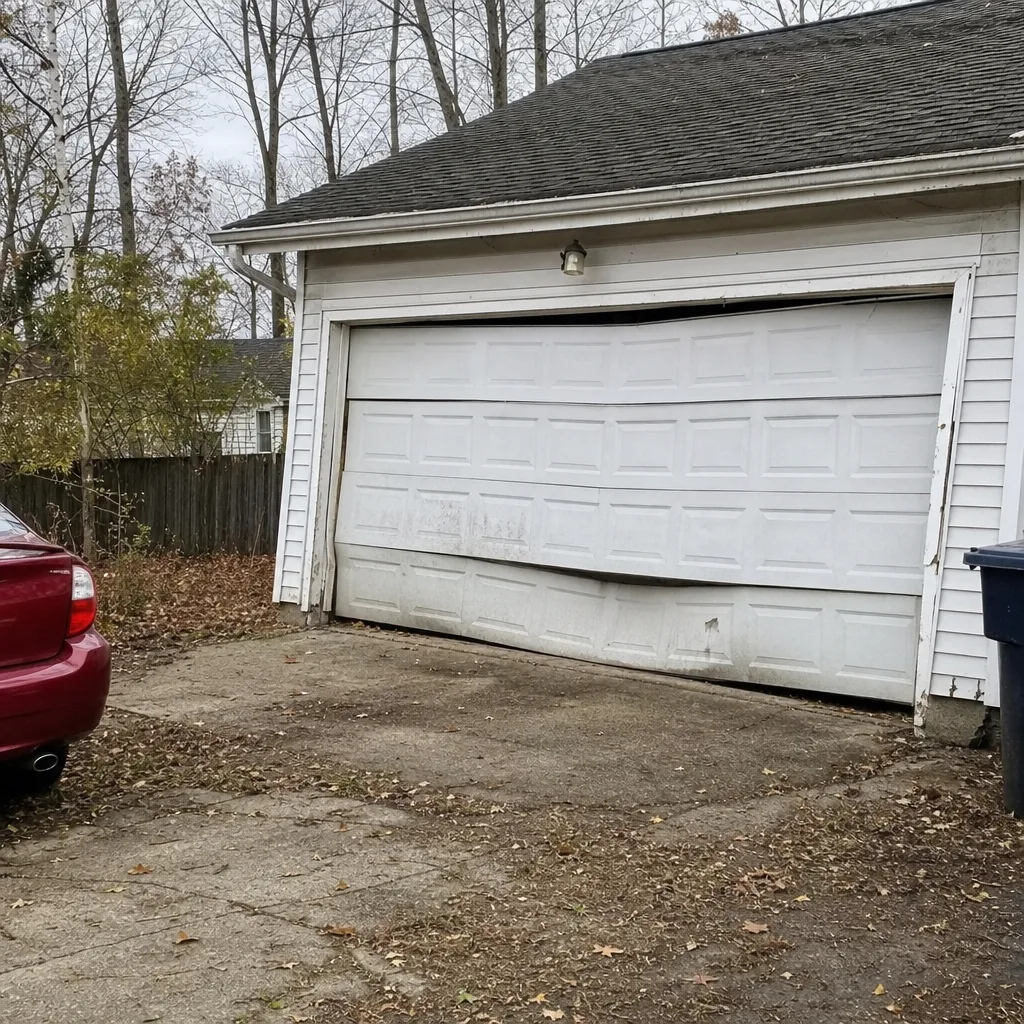 Before
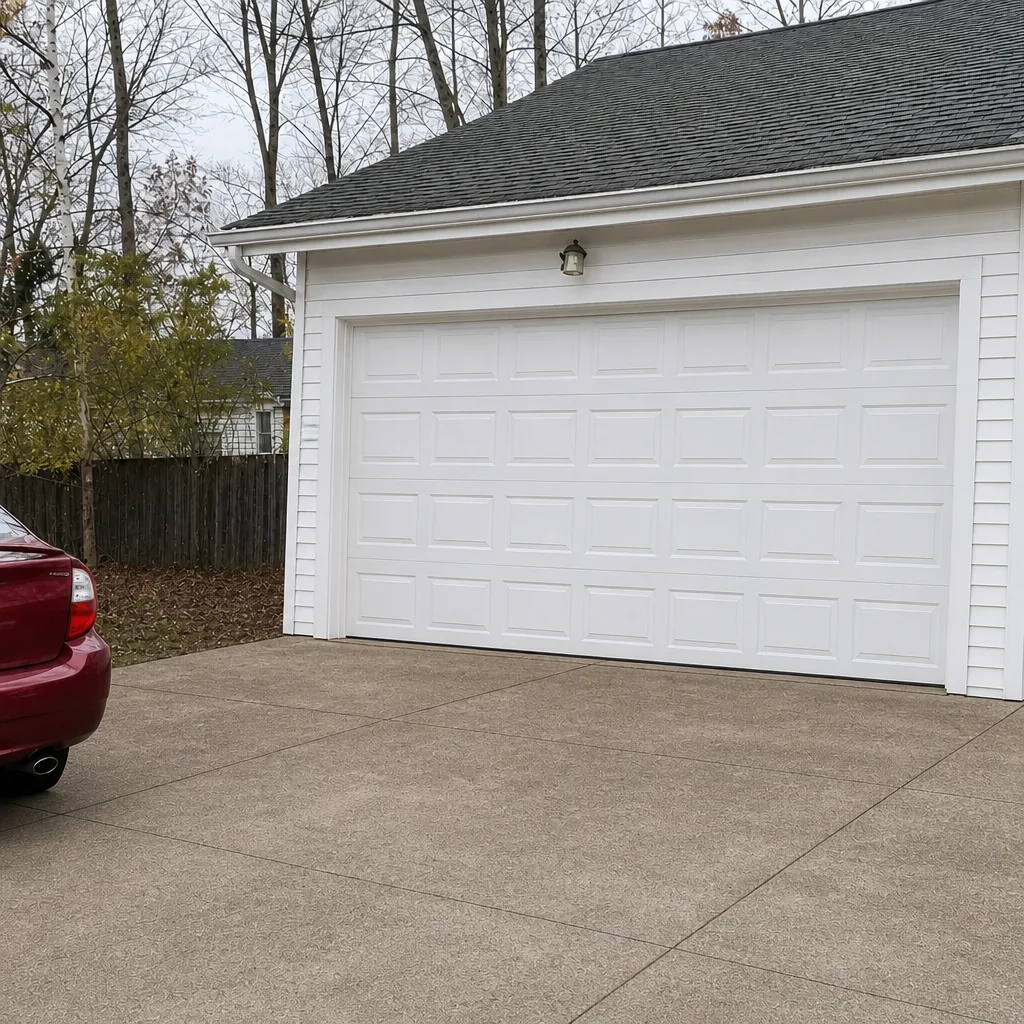 After
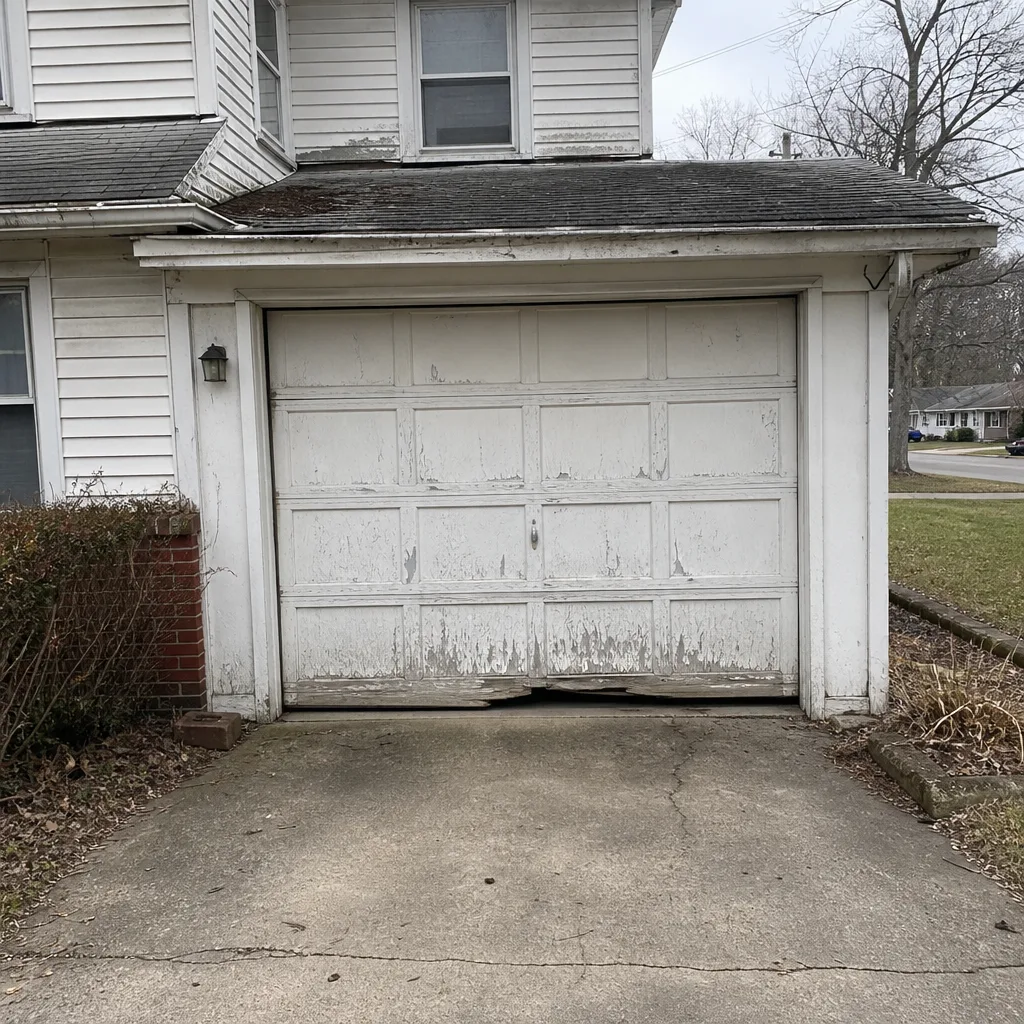 Before
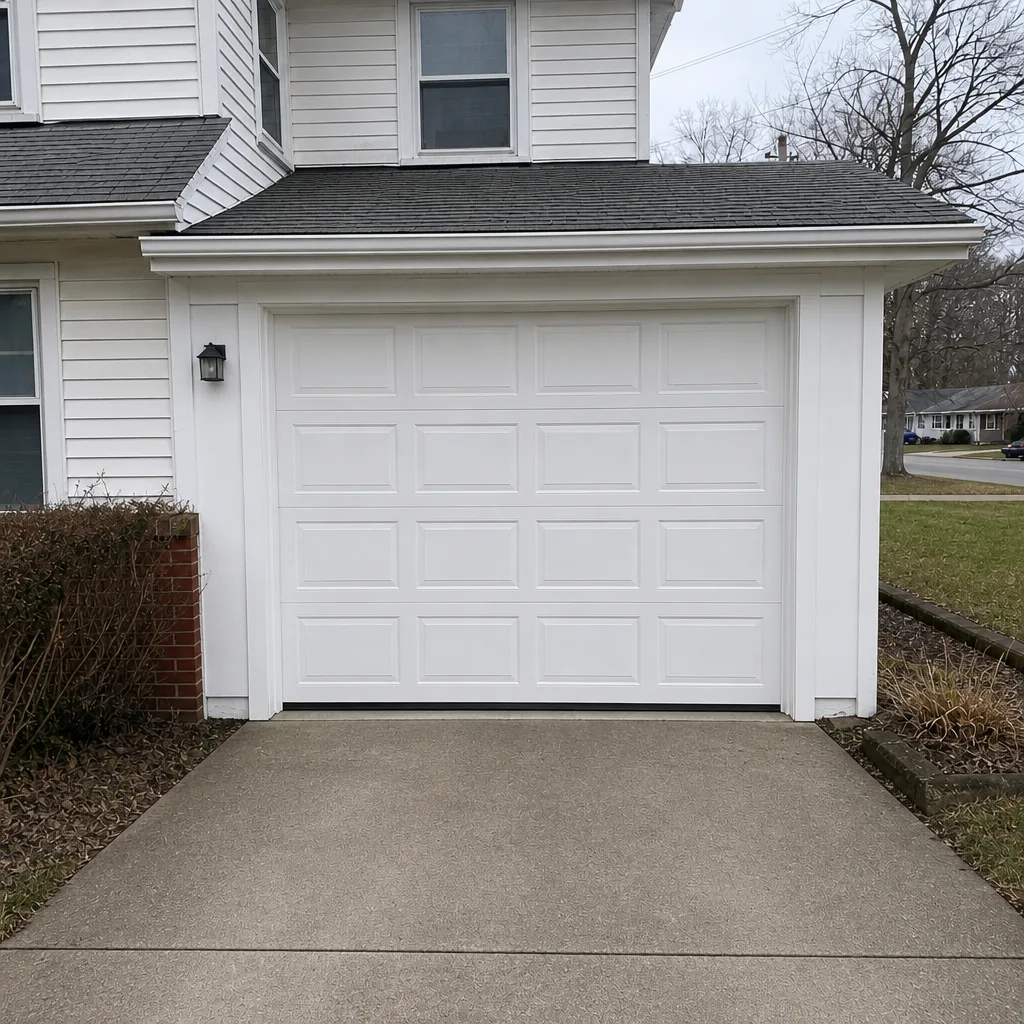 After
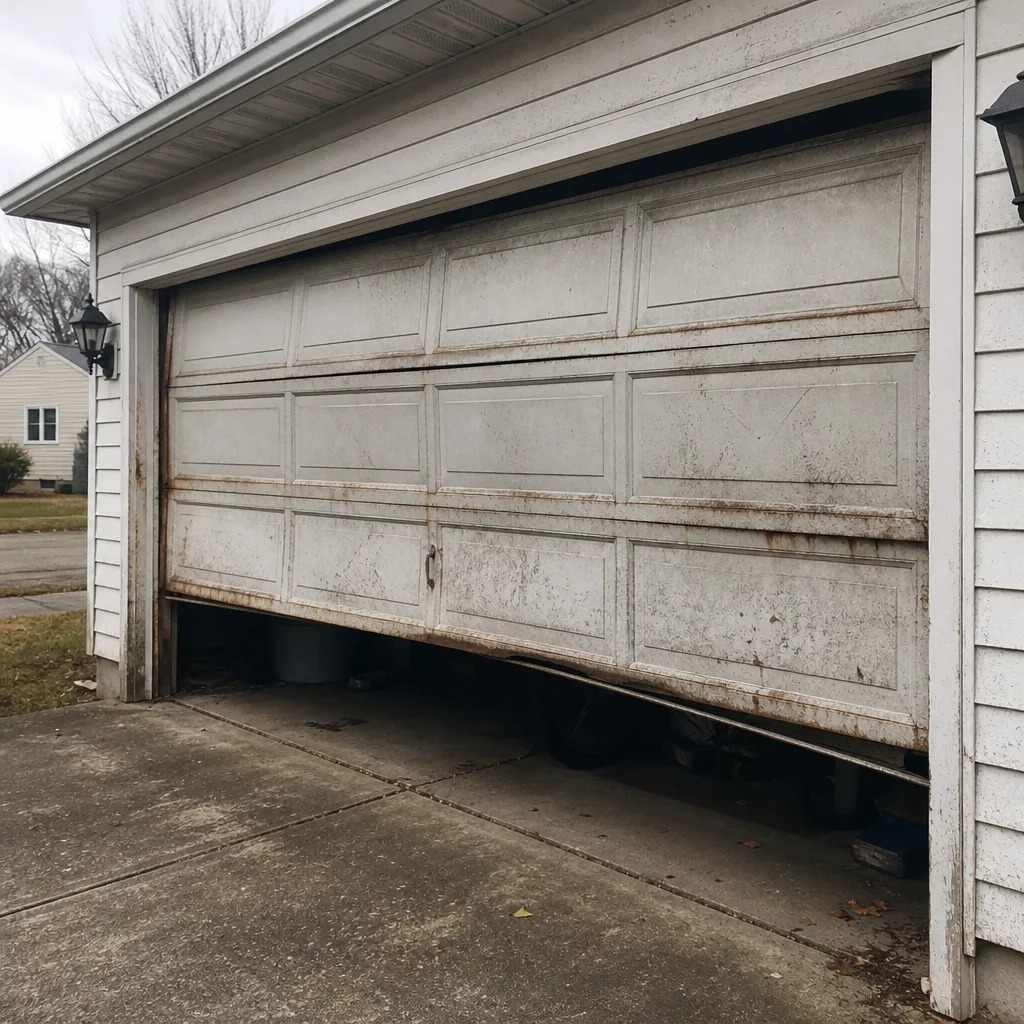 Before
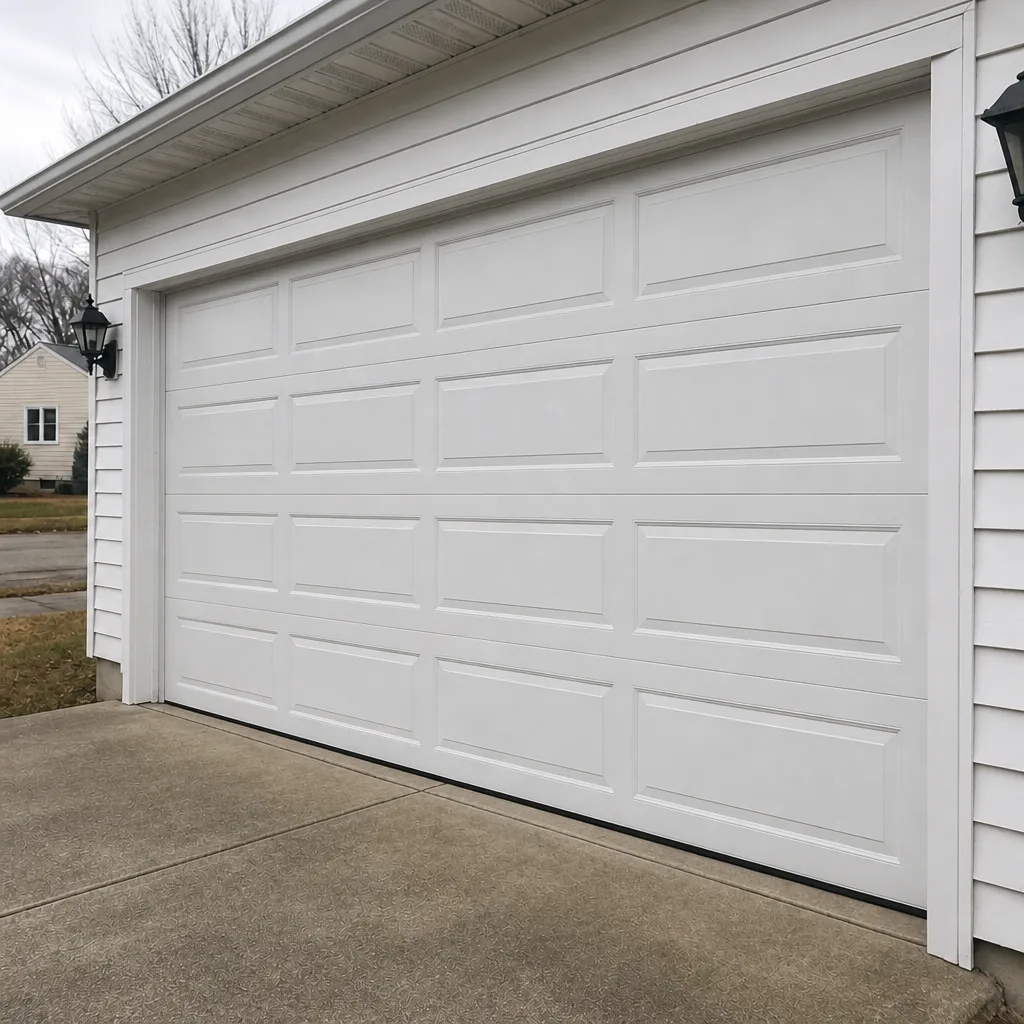 After
When to Call a Professional
Some scenarios don’t need a decision process. If a torsion or extension spring has broken, if the door has come off the track after an impact, if a cable is loose or snapped, if the door is leaning to one side or binding on the way up, call us. If the door won’t lift at all and you’re locked out, that’s an emergency call, and we treat it as one. If the opener is unresponsive or the door reverses halfway down, a technician can diagnose it quickly, and often the fix is cheaper than a DIY attempt that replaces the wrong part first.
Garage Door Repair Youngstown offers free estimates in Youngstown and across the surrounding area. Our technicians have up to 8 years of experience working on spring repairs, opener repairs, and full door installations. Call (888) 694-1055 and we’ll get your written estimate set up before any work starts.
Frequently Asked Questions
No. A torsion spring stores enough energy to cause serious injury if it slips free during winding, and it must be matched by wire gauge, inside diameter, and length to your door’s weight. Spring repair is professional-only work, and we treat it as a same-day priority. Call (888) 694-1055 for a free estimate.
Single torsion spring replacement in the Youngstown area typically runs around $180 to $340, and a matched pair usually costs about twice that because the springs are replaced together. The written estimate sets the final price before any work starts. Call (888) 694-1055 for an exact quote, which is free.
No. We quote and agree the price before any work begins, and the written estimate is the price. What can change is the scope: if a technician finds a second spring at the end of its life or damaged rollers while doing the repair, they’ll walk you through the finding and let you decide. Nothing is added without your agreement. Call (888) 694-1055 to book an estimate.
The local pro performing the work is licensed and insured as their state requires. We connect you with vetted local professionals who specialize in garage doors, and our technicians have up to 8 years of experience on torsion springs, extension springs, openers, and full installs. Call (888) 694-1055 for a free estimate.
Yes, for repair work like a broken spring or an off-track door, we can usually respond the same day and aim to, because a door that won’t close leaves a house exposed. Installation work is measured and scheduled. Either way, call (888) 694-1055 and we’ll give you a realistic window.
On a LiftMaster, Chamberlain, or most modern Genie units, programming a new remote or keypad is a straightforward DIY task and worth doing yourself. If the opener won’t respond to a fresh remote, the issue is usually the logic board or the safety sensors, and that’s a call. Reach us at (888) 694-1055 and we’ll help you sort it out.
The Bottom Line
The DIY decision on a garage door isn’t about how handy you feel. It’s about which parts of the system hold stored energy and which don’t. Painting, weather stripping, lubricating, and programming remotes are yours to handle, and doing them yourself saves real money. Springs, cables, the bottom bracket, and track realignment are professional-only, not because of a liability line but because the energy stored in those parts is unforgiving during a repair. For a Youngstown homeowner in an older home with a non-standard opening, even the “easy” tasks deserve a second look at the specs before you order parts. When in doubt, our team at Garage Door Repair Youngstown is a free estimate away at (888) 694-1055.
Written by the team at Garage Door Repair Youngstown.