Last updated November 22, 2026
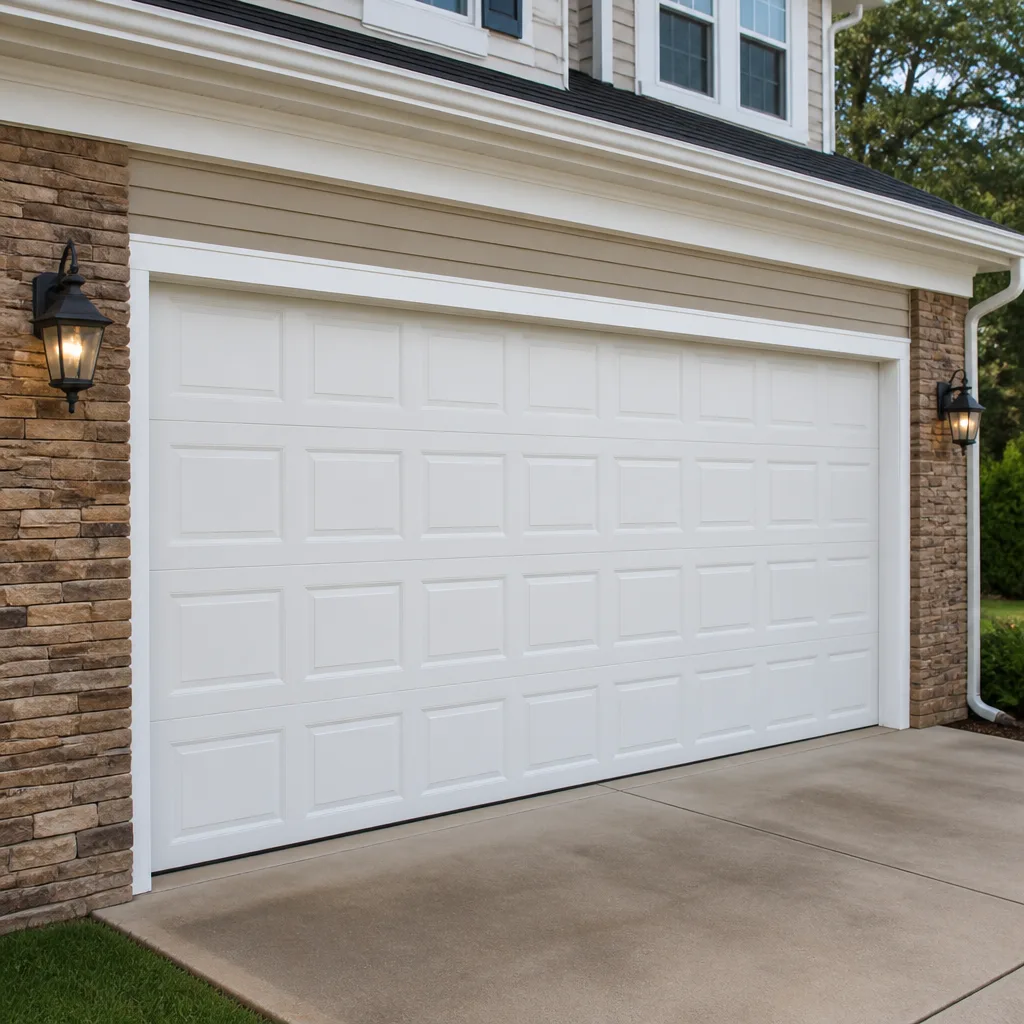 Raised-panel steel
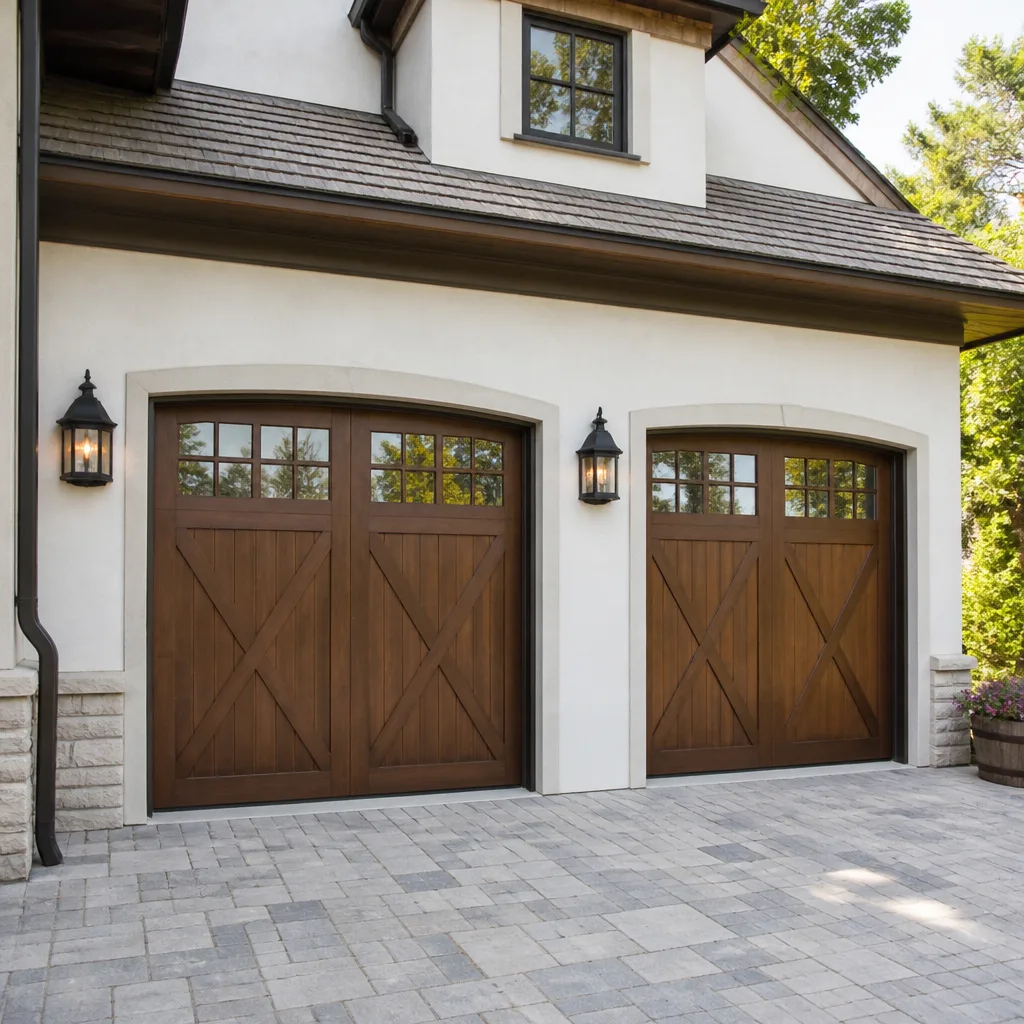 Carriage house
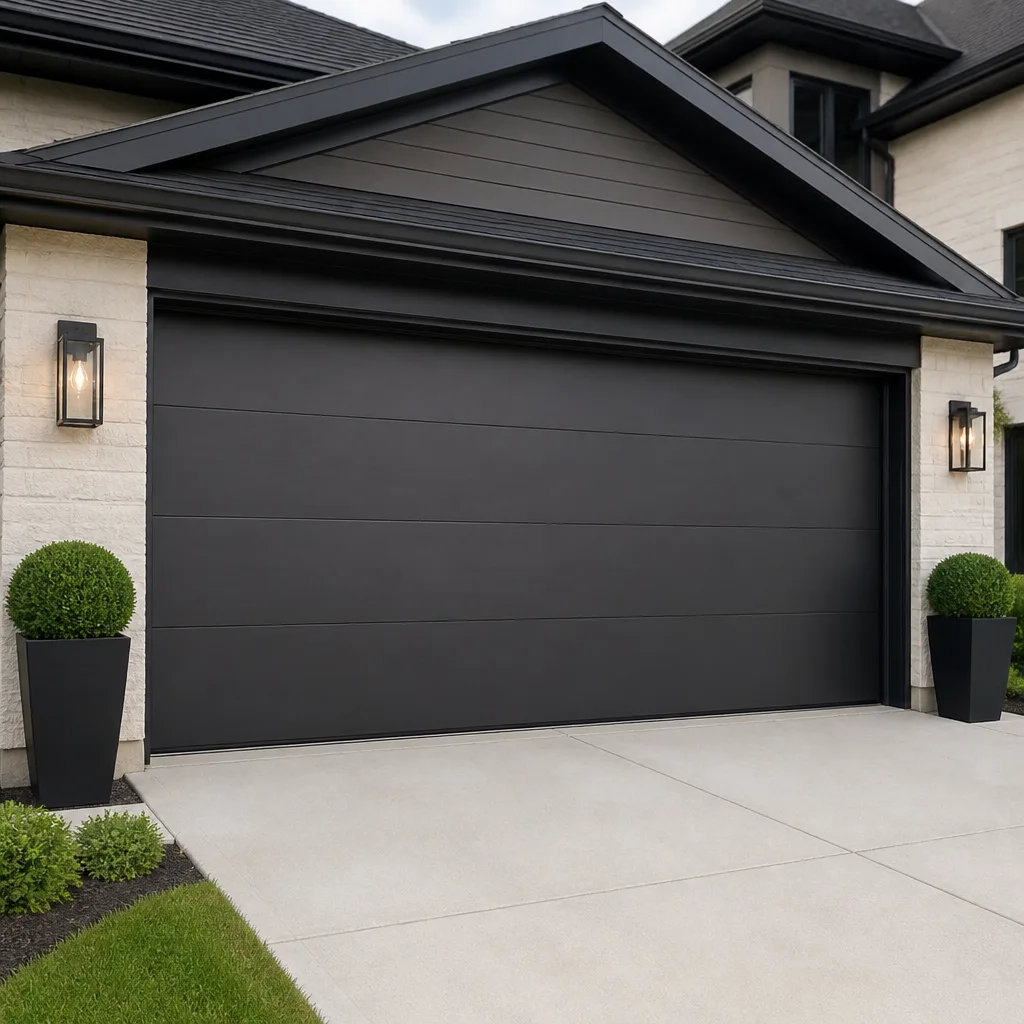 Modern flush
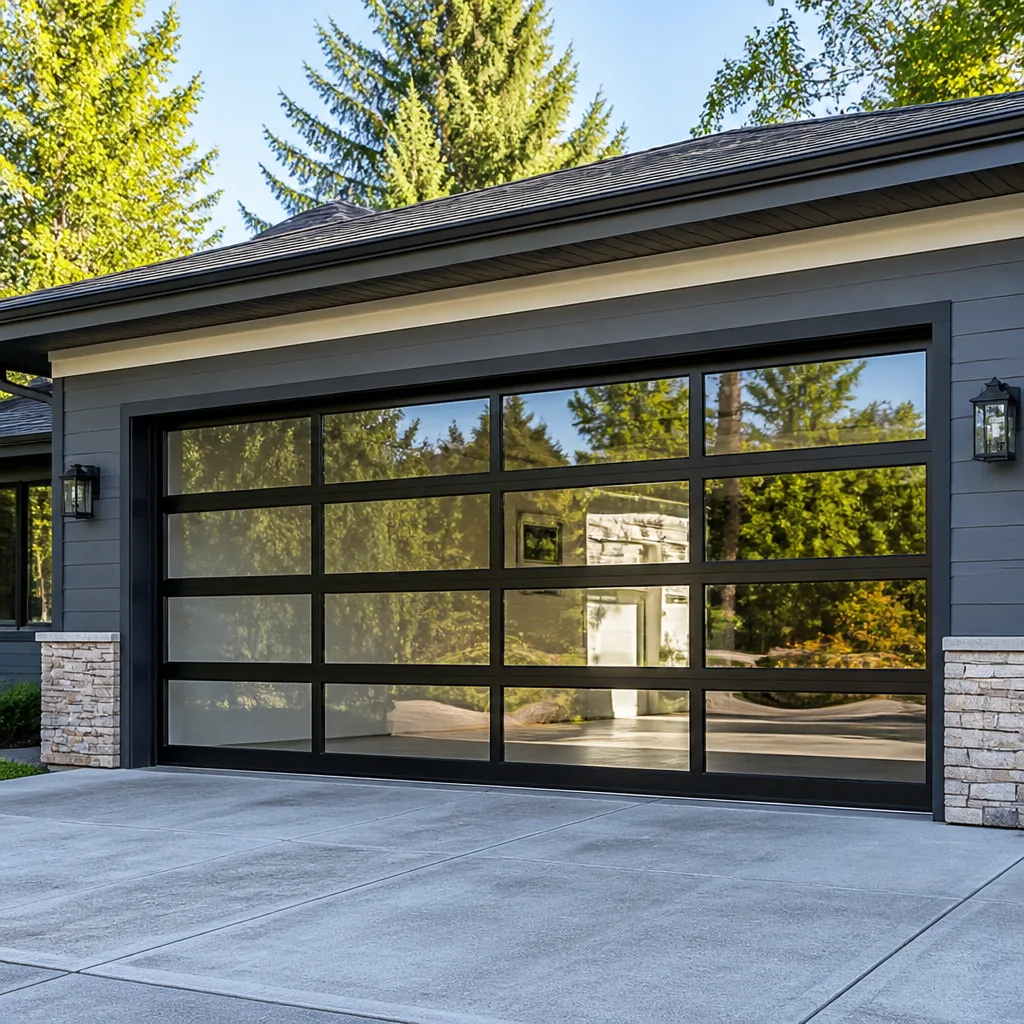 Full-view glass
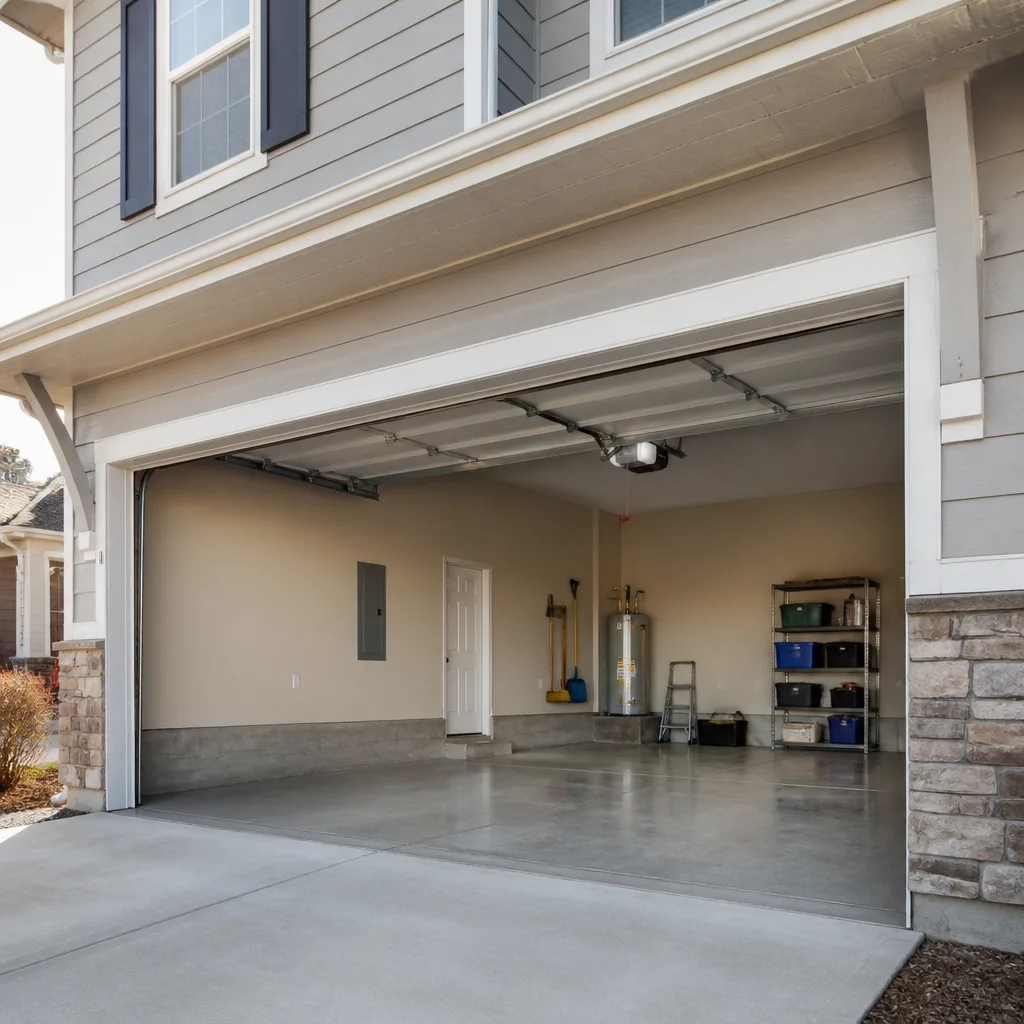 LiftMaster openers
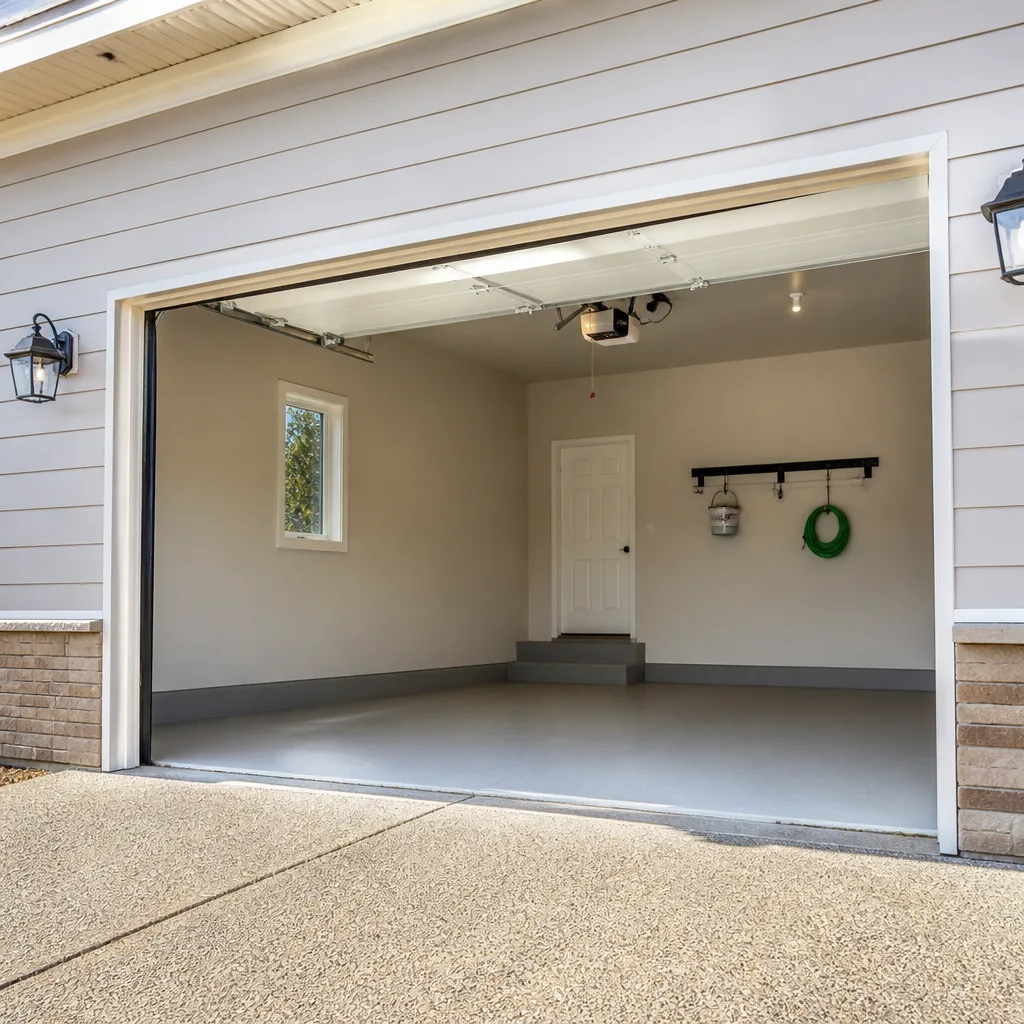 Chamberlain openers
Full 25-point door and opener safety check with every visit - springs, cables, rollers, tracks, and your LiftMaster or Chamberlain opener included
You get a price before we start. It does not change when the pro arrives.
Get your free estimateChoosing the Right Garage Door Brand: A Buyer’s Guide for Youngstown
Here’s a thing that surprises a lot of Youngstown homeowners: the garage door brand that tops a national consumer survey usually earned that ranking in Virginia or Texas. Those doors were tested through humid summers and mild winters. They weren’t tested through lake-effect snow, the road salt that gets tracked into every garage on a Mahoning County street, and the 40°F temperature swings that come with a Northeast Ohio February. Steel that shrugs off a Southern winter can pit and peel here. Seals that stay soft in a Chesapeake climate can go stiff and stop closing on a January morning. This guide walks through what actually matters for a garage door in Youngstown – climate performance, how fast a part can be sourced when it breaks, what a “lifetime limited warranty” really covers, and where spending more on a door stops buying you anything. By the end you’ll have a brand-agnostic checklist you can hold up against any manufacturer’s spec sheet.
Quick Answer
For Youngstown’s climate, the best garage door brand is the one that pairs a heavy-gauge, coated steel face with a strong cycle rating on its springs – not the one with the flashiest marketing. In practical terms, Clopay and Amarr both offer mid-tier insulated steel doors that handle Northeast Ohio freeze-thaw well, Wayne Dalton’s entry lines are fine for detached garages, and opener brands like LiftMaster and Chamberlain matter just as much because a good door on a failing opener still leaves you stuck. The single most important question is whether the specific torsion spring in that door can be sourced locally so you’re not waiting on a national backorder in February.
Styles & brands we work with
- Raised-panel steel
- Carriage house
- Modern flush
- Full-view glass
- LiftMaster openers
- Chamberlain openers
Table of Contents
- Why Youngstown’s Climate Changes the Brand Conversation
- The Four Climate Performance Criteria That Actually Matter
- Parts Availability: The Question That Separates Brands
- Decoding the “Lifetime Limited Warranty”
- Price Tiers: Where the Real Quality Jump Happens
- Five Spec Questions to Ask Any Brand
- Don’t Ignore the Opener Brand Sitting on Your Ceiling
- Common Mistakes to Avoid
Why Youngstown’s Climate Changes the Brand Conversation
Youngstown sits in a part of Ohio where winter means a lot of things at once. Lake-effect snow bands come off Lake Erie. Road crews lay down salt that ends up as dried residue on the concrete floor of your garage. And the temperature does not hold steady – a week of 35°F can flip to a 5°F cold snap and back to 55°F, each swing tightening and loosening the door’s metal and springs a little more.
What that actually does to a door is straightforward once you understand it. Steel panels expand and contract. Weatherstripping compresses and loses its memory. Springs cycle at different tension depending on temperature. None of that behavior is dramatic on its own, but it adds up over a decade of winters, and it’s the reason a door that would last fifteen years in a mild climate might need real attention at ten in Youngstown.
A common mistake Youngstown homeowners make is buying based on product-line naming. Within a single manufacturer, a premium door and a builder-grade door can share the same brand name but nothing else. Clopay, for example, sells everything from thin steel panels you’d put on a rental to heavily insulated models meant for an attached garage you heat and use all winter. This is why we tell customers to stop shopping “the best garage door brand” and start shopping the specific model. The brand decision is really a decision about which manufacturer’s line includes the door that matches your climate and your garage’s actual use.
The Four Climate Performance Criteria That Actually Matter
When we evaluate a door against the way Youngstown winters actually work, four things show up over and over. Everything else – color options, window inserts, decorative hardware – can be sorted out after these are settled.
1. Insulation R-value for an attached garage
If your garage shares a wall with your living space, insulation matters for more than comfort. A single-layer steel door lets cold straight through; an insulated door with a decent R-value slows that. The number you want to look at is the door’s stated R-value, and whether it comes from a sandwich panel (insulation bonded between two steel skins) or a layer glued to one face. Sandwich construction holds up much better to moisture over a long winter because the steel core doesn’t get exposed to condensation the way a single face can. For a garage that’s used as a workshop or shares a heated wall, a well-insulated sandwich door is worth the extra cost. For a detached garage you mostly store things in, insulation is optional.
2. Steel gauge and coating quality for salt and road grime
“Standard steel” means very little. What matters is gauge – the thickness of the steel – and finish. A 25-gauge panel will flex and dent more readily than a 24- or 26-gauge door (remember, higher gauge number means thinner steel). Finish is where salt and road grime do their damage. Two- or three-coat paint systems with a baked-on corrosion-resistant primer, followed by a topcoat, last longer in Youngstown than single-stage paint. It’s also worth checking that the manufacturer warranties the finish separately from the structural panel itself – most that do are confident enough in their coating to stand behind it.
3. Spring cycle rating for cold-climate tension behavior
The spring is what makes a door openable. It’s also what fails, especially after a winter of cycling under varied tension. Torsion springs are rated in cycles – one cycle is one open plus one close. A standard spring might be rated for around 10,000 cycles; a high-cycle spring can go 20,000 or more. In a Youngstown home where the garage door cycles several times a day, that difference is measured in years of usage before replacement. It’s the reason garage door spring repair is such a common job here and one we take seriously: a spring failure isn’t a trim problem, it’s a safety event.
4. Seal quality for freeze-thaw cycles
The bottom seal on a garage door compresses against the concrete every time it closes. In Youngstown, it goes through freeze, thaw, salt down, salt washed off, freeze again. Cheaper rubber or vinyl seals go brittle faster and then start cracking, which lets in cold air, water, and the occasional mouse. Look for a door that ships with a replaceable seal rather than one bonded directly to the panel. It sounds like a small thing, and it is, right up until year eight when you can put a $30 seal on instead of wondering whether the panel is worth replacing.
Parts Availability: The Question That Separates Brands
Here’s the parts question most door shopping ignores, and it’s the one a Youngstown homeowner is most likely to regret not asking: if the torsion spring snaps on a Tuesday in January, how fast can a replacement be sourced?
Every brand’s springs have specific wire diameters, coil counts, and torque specs. A torsion spring from one manufacturer is not a drop-in substitute for another. If a specific model’s springs aren’t held anywhere locally, you’re waiting on a national warehouse – and a two-week backorder in a Northeast Ohio winter is not abstract. It means a driveway you can’t use, a car parked outside, and a garage door that’s acting as a wall against weather that’s actively trying to get in.
In practice, brands with wide dealer networks and deep parts pipelines are the ones that get serviced most often in Youngstown. Clopay, Amarr, Wayne Dalton, LiftMaster, and Chamberlain all have relatively broad parts availability through professional channels. Niche or big-box-exclusive brands are more likely to leave you waiting. This is one of the practical reasons it pays to work with a specialist: when we open a door in Youngstown and see what brand it is, we’re checking that against parts channels we know. A generalist handyman who works on anything from windows to water heaters is not going to have the inventory fluency. Garage doors are all we do, and that includes knowing which parts can be on site in a day versus a week.
How to check parts availability before you buy
- Ask the seller what springs the door ships with. Note the wire gauge and inside diameter; those two numbers define the part.
- Ask what standard replacement spring would be used if the original fails. If the answer is “the manufacturer’s,” ask how long that takes.
- Ask whether panels can be ordered individually. Panel damage from a car bumper or a fallen tree is common in Youngstown; a brand that only sells full doors will cost you much more to repair.
- Ask about opener compatibility. If you’re keeping an existing LiftMaster or Craftsman opener and adding a new door, the door’s safety sensors and balance have to be set for that system.
Decoding the “Lifetime Limited Warranty”
Every manufacturer prints some version of “lifetime limited warranty” on its sales materials. Read the actual terms, because they mean very different things across brands.
A lifetime warranty usually has three separate pieces: one for the steel panels and structure, one for the finish, and one for the hardware. They almost always have different durations. Panels are typically covered for the useful life of the door to the original purchaser – meaning the coverage usually doesn’t transfer if you sell the house. Finish coverage is shorter and often graded: painted steel, wood-grain finishes, and custom colors usually get different terms. Hardware – hinges, rollers, springs – generally carries the shortest coverage of all. Some brands specifically exclude springs from the warranty because springs are wear items.
The second thing to check is whether the brand requires a certified dealer to install for the warranty to remain valid. If it does, a self-installed door or one installed by an uncertified contractor may void parts of the coverage. Some brands are more flexible than others. It’s worth getting the answer before you sign anything.
The third piece is”who honors it. If a claim is denied, is there a process to appeal, and is it a manufacturer service center or a distributor who handles it? We’ve walked customers through warranty claims where the fine print on the finish exclusion was the entire issue – a coating problem that the buyer believed was structural. Knowing which is which before a problem happens saves a lot of frustration.
Price Tiers: Where the Real Quality Jump Happens
Shopping by price alone gets Youngstown homeowners into trouble, but so does assuming more money always buys a better door. Here’s roughly where the tiers land and where they stop being worth it.
- Entry-level single-layer steel doors: The cheapest option. Thin steel, no insulation, a basic finish. Fine for a detached garage in Fairlea or Brownlee Woods that’s used for storage, where the door doesn’t sit against a shared wall. Not a good match for an attached garage people actually pass through every day.
- Mid-tier insulated two-layer doors: A meaningful step up. Heavier steel, a layer of insulation bonded to the panel, a finish that lasts longer than entry. This is where the quality jump actually happens and where we see the best value for most Youngstown homes. Our technicians can show you the difference in panel weight and finish construction – it’s visible when you know what you’re looking at.
- Upper-mid sandwich-panel doors: Insulated on both faces, better R-value, more corrosion-resistant construction. Worth the extra for attached garages in older Youngstown neighborhoods where the adjoining wall may not be well insulated and winter cold creeps into the house through the garage.
- Premium-tier doors: Full-wood, custom steel, or aggressively insulated models. These add real performance for very specific situations – a garage converted into living space, a home where the door is a major visual front, or a homeowner planning to keep the house long enough to see the door reach its full lifespan. For most Youngstown homes, this tier is where spending more stops buying you garage-door performance and starts buying other things.
If a quote puts you in the premium tier for a door you’ll replace in ten years, ask why. If a quote puts you in the entry tier for an attached garage you’ll heat, ask why too. The door has to match the house and how it’s used.
Five Spec Questions to Ask Any Brand
This is the framework that makes brand shopping unnecessary. Any door from any manufacturer can be evaluated using these five questions, and if a spec sheet or sales rep can’t answer them quickly, that’s an answer too.
- What is the steel gauge, and is the finish a multi-coat baked system? The gauge number and finish construction together determine how the door will look after ten Youngstown winters.
- What insulation R-value, and is it a sandwich panel or a single face? Relevant for attached garages. Sandwich construction holds up better to moisture over time.
- What is the spring cycle rating, and can replacement springs be sourced locally? The cycle rating determines lifespan. Local availability determines downtime.
- What does the warranty cover, separately for the panel, the finish, and the hardware? Panels, finish, and hardware have different terms. Ask for the actual document.
- Is the warranty honored if the door is installed by a non-certified installer, and what lift capacity does the opener need to have? Installer certification and opener compatibility are the two things that most often disqualify a warranty claim after the fact.
If a Youngstown homeowner answers these five for two or three candidate doors, the brand question sort of dissolves. You’re no longer picking “the best” brand; you’re picking the right door for your garage and your climate. That’s the decision that actually matters.
Don’t Ignore the Opener Brand Sitting on Your Ceiling
The door brand gets all the attention, but the opener is doing half the work and often outlasting several doors. If yours is already installed – a LiftMaster, a Chamberlain, a Craftsman, a Genie – it’s part of the equation whether you planned on replacing it or not.
Modern openers have lift capacity ratings that need to match the door weight. Adding a heavy insulated door to an older opener sized for a thin steel door overloads the motor and shortens its life. The safety reversing sensors also need to be compatible with the new door’s bottom seal. And a newer door with a firmer seal might not fully seat if the opener’s travel limits are set for a softer one. When we handle garage door opener repair on a Youngstown home, a good part of the visit is often about how the opener and door are working together, not just getting the motor to run again.
Smart-home integrated openers – LiftMaster myQ, Chamberlain, Craftsman – matter more than they used to because a lot of Youngstown homeowners want their door on a phone app or tied to a home security system. If that’s on your list, the door and opener decision should happen together. If you just want the door to open and close every day, a traditional Genie or a basic LiftMaster is fine and probably easier to maintain. Familiarity with both current and legacy units is part of what we bring to a job: the opener you bought five years ago and the one from twenty years ago both have quirks we’ve learned to work with.
Common Mistakes to Avoid
- Buying the door from a big-box store and assuming installation is included. It isn’t, and a self-installed door often voids the warranty on the sections most likely to fail. Have a specialist set it up, or at minimum ask the manufacturer what installer certification they require.
- Choosing a brand based only on online reviews from warmer climates. Lake-effect snow and road salt hit differently than a mild winter. Ask how the specific model performs in freeze-thaw and salt conditions, not just how it scored on a national survey.
- Skipping the spring cycle rating. The spring is what fails first, and it’s the safety-critical component. A low-cycle spring on a door that gets cycled ten times a day is a warranty claim waiting to happen.
- Ignoring parts pipelines. A brand you can’t source parts for locally in a Youngstown February is a brand that will leave your car outside when the spring breaks. Ask the question before you buy.
- Reading “lifetime warranty” as one thing. It’s usually three things with three durations and three exclusions. Ask for the actual document and read the finish clause specifically.
- Overpaying for performance that doesn’t apply to your garage. A fully insulated premium door on a detached, unheated garage in Youngstown is spending on insulation you’ll never recoup. Match the tier to the use.
- Replacing a door without checking the opener. An older opener sized for a thin door won’t last long lifting a heavier one. Add the opener capacity check to the plan early.
When to Call a Professional
Many door upkeep tasks are within reach of a careful homeowner. Lubricating hinges and rollers, checking the safety reverse, and wiping salt residue off the bottom of the panels are all things you can do yourself. But some situations need a trained technician, and we’d rather you know where the line sits than have you find out the hard way.
Call a professional any time a torsion or extension spring is involved. Springs are under enormous stored tension and can cause serious injury if handled without the right tools and technique; this is not a repair to attempt in a Youngstown garage on a cold morning. Same goes for a door that’s come off its tracks, a panel that’s bent enough to compromise the structure, and any time the opener motor is unresponsive or the safety sensors won’t stay aligned. If your garage door is sticking or not moving at all, our garage door repair team can take a look, and if the issue turns out to be the opener rather than the door, we cover that too. Garage Door Repair Youngstown offers free estimates in Youngstown – call (888) 694-1055.
Frequently Asked Questions
For most Youngstown homes, the answer depends more on the model than the brand name. Clopay and Amarr both offer insulated steel mid-tier doors that hold up well to Northeast Ohio freeze-thaw and road salt, and LiftMaster and Chamberlain handle the opener side reliably. The specific spec – steel gauge, finish, insulation type, spring cycle rating – matters more than which logo is on the door, and any brand’s premium model will outperform another brand’s entry model. Call (888) 694-1055 and we can walk through what fits your garage.
Yes, if your garage shares a heated wall with your living space. An insulated sandwich-panel door slows heat loss, reduces condensation on the door and floor, and keeps a garage used as a workshop or entry point noticeably warmer. For a detached, unheated garage, insulation matters much less, and an entry-level single-layer door is fine. The R-value number itself is less important than whether the door is insulated sandwich construction versus a single face.
Most standard torsion springs are rated for around 10,000 cycles, and a cycle is one open plus one close. That’s the number to plan around, not a calendar duration – how long yours lasts depends almost entirely on how many times the door cycles in a day. In a household that opens the door several times daily, a standard spring typically needs replacement within a decade, sometimes sooner. Upgrading to a high-cycle spring when the door is replaced is a common and sensible choice in Youngstown’s climate.
You can, but check the manufacturer’s warranty requirements first. Many brands require certified installation for the full warranty to remain valid, and big-box doors are often built to a lighter spec than the same brand’s dealer-channel models. Self-installation or uncertified installation can void the panel and finish coverage on a door you may need to claim against within a few years.
Yes, significantly. Major brands with wide dealer networks have better local parts availability for torsion springs and panels than niche or store-exclusive brands, so a repair in Youngstown’s colder months isn’t held up by a national backorder. It’s one of the most overlooked factors in door selection, and worth asking before you buy. If your current door has already failed, call (888) 694-1055 for an estimate.
Compare the warranty separately for three things: the steel panels (how long), the finish (what exclusions apply, especially for painted versus wood-grain), and the hardware including springs (often excluded as wear items). Then check whether the brand requires certified installation and how claims are processed. A single “lifetime limited warranty” label hides three different answers, and the finish and spring clauses are where disagreements most often happen.
The Bottom Line
The best garage door brand for Youngstown isn’t a national ranking – it’s the specific model that fits your garage, handles the local climate, and can be serviced without a backorder delay. Steel gauge and coating quality determine corrosion resistance in salt and lake-effect conditions. Insulation type matters for attached garages. Spring cycle rating and local parts availability matter for every Youngstown home, because springs will eventually need replacing. Decode the warranty by the three-part panel-finish-hardware breakdown. And if you can answer the five spec questions for any candidate brand, the brand decision mostly makes itself. When you’re ready to talk through options, we cover all the major brands and handle anything from opener repair to full installation. For a free estimate in Youngstown, call (888) 694-1055.
Written by the team at Garage Door Repair Youngstown.
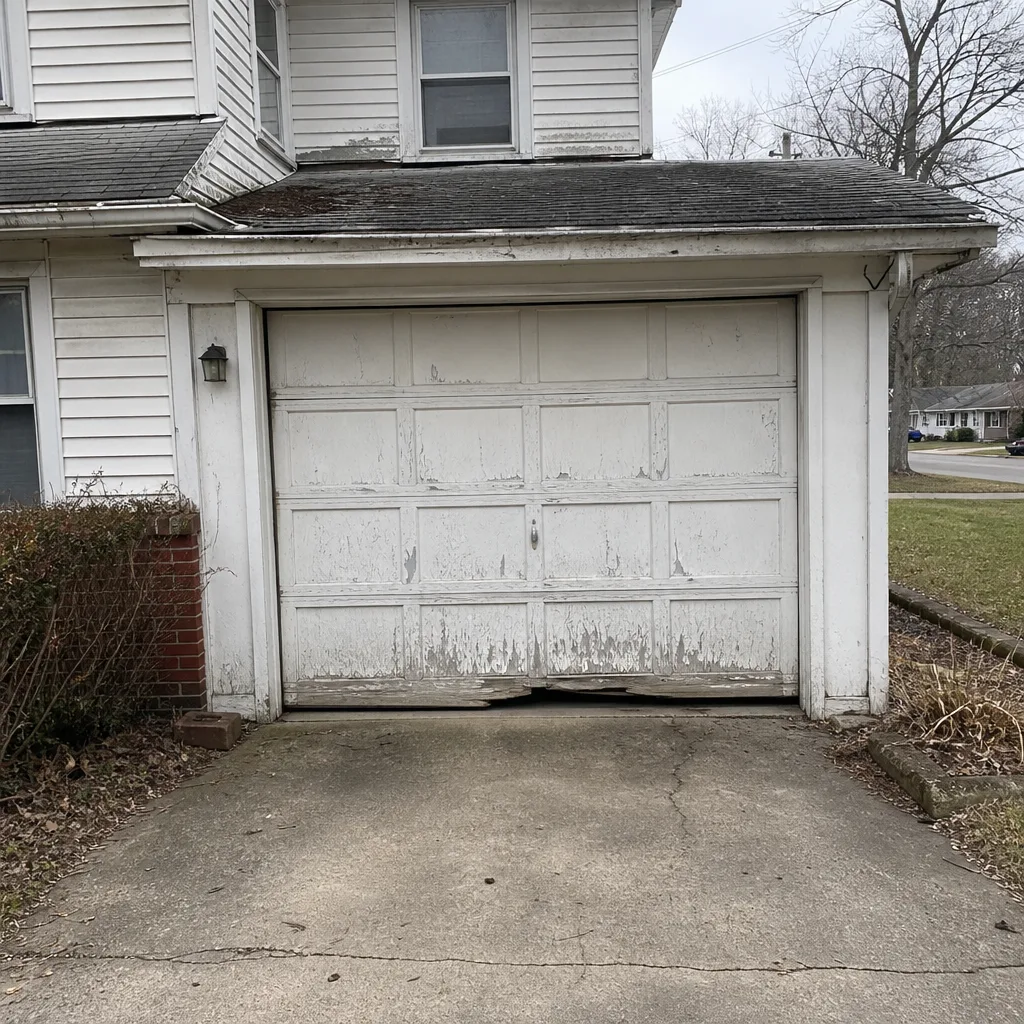
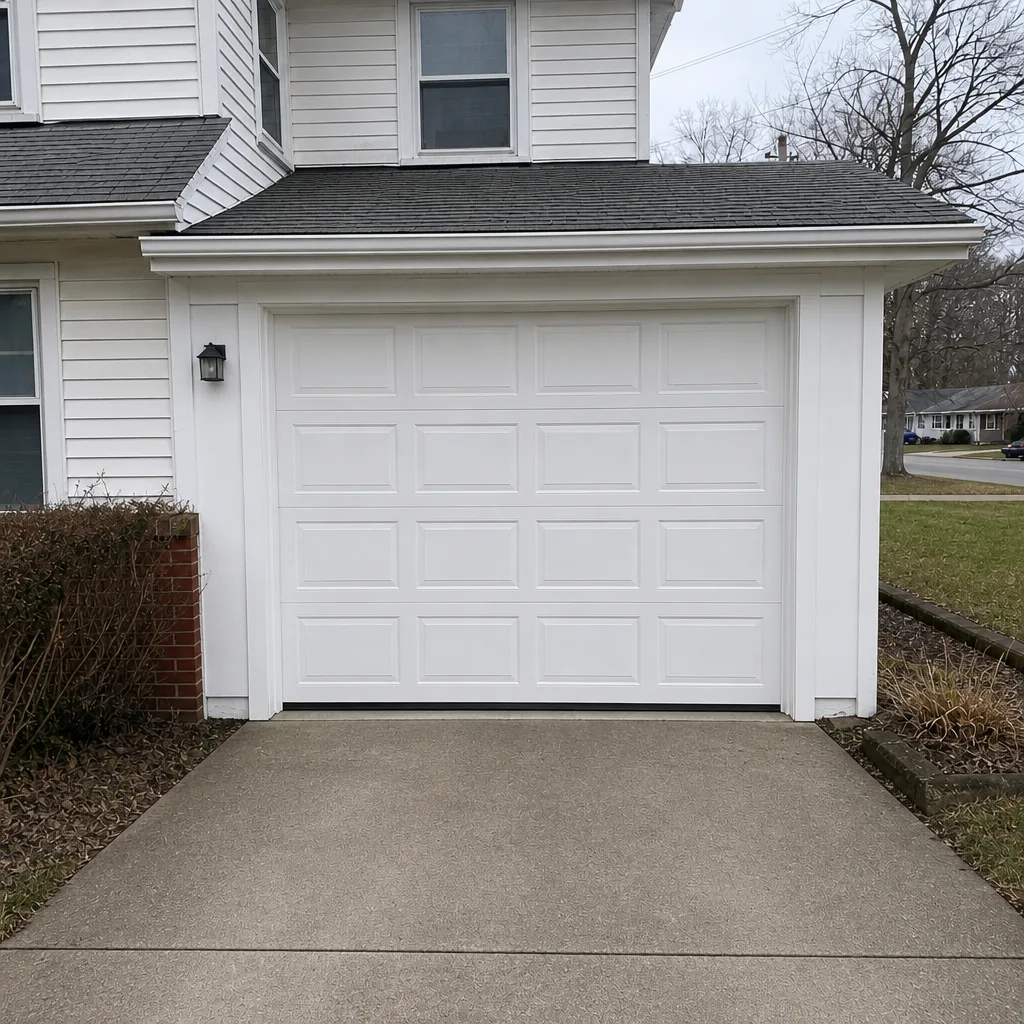
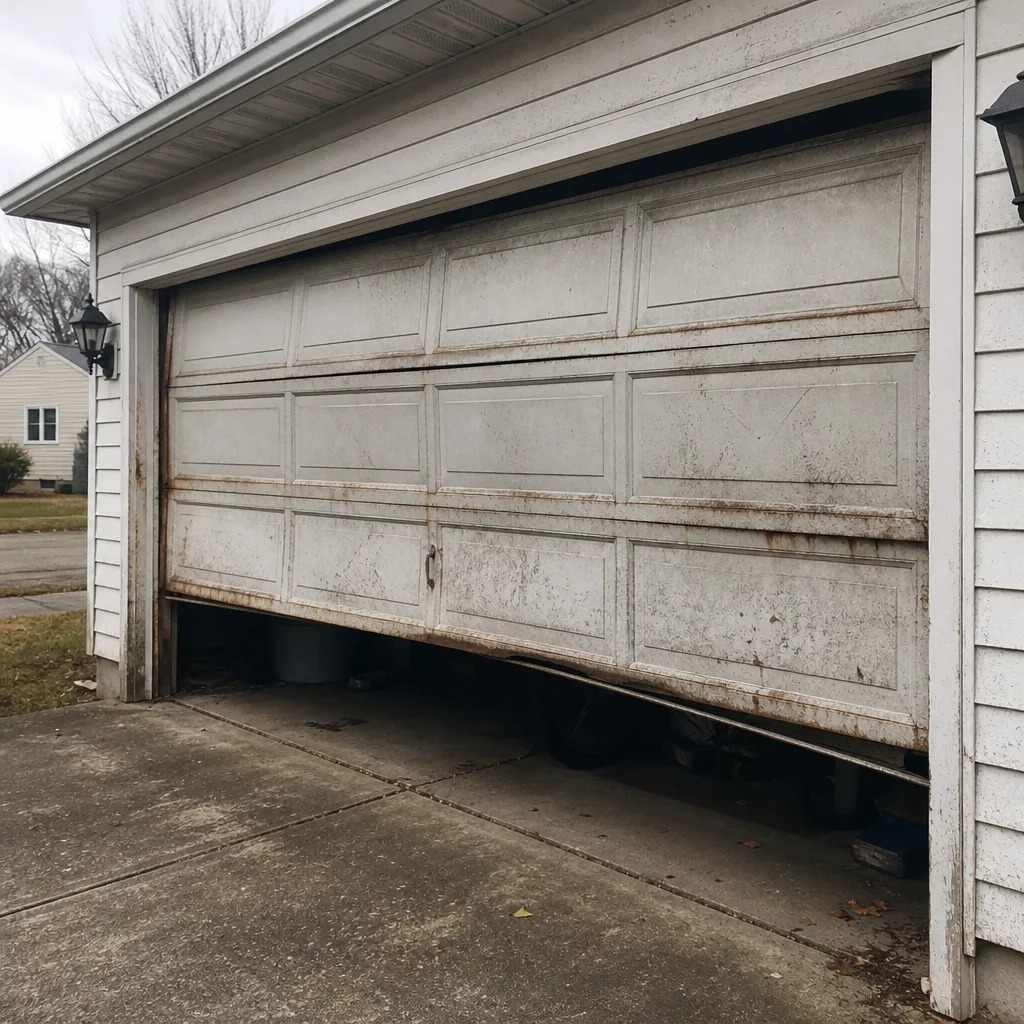
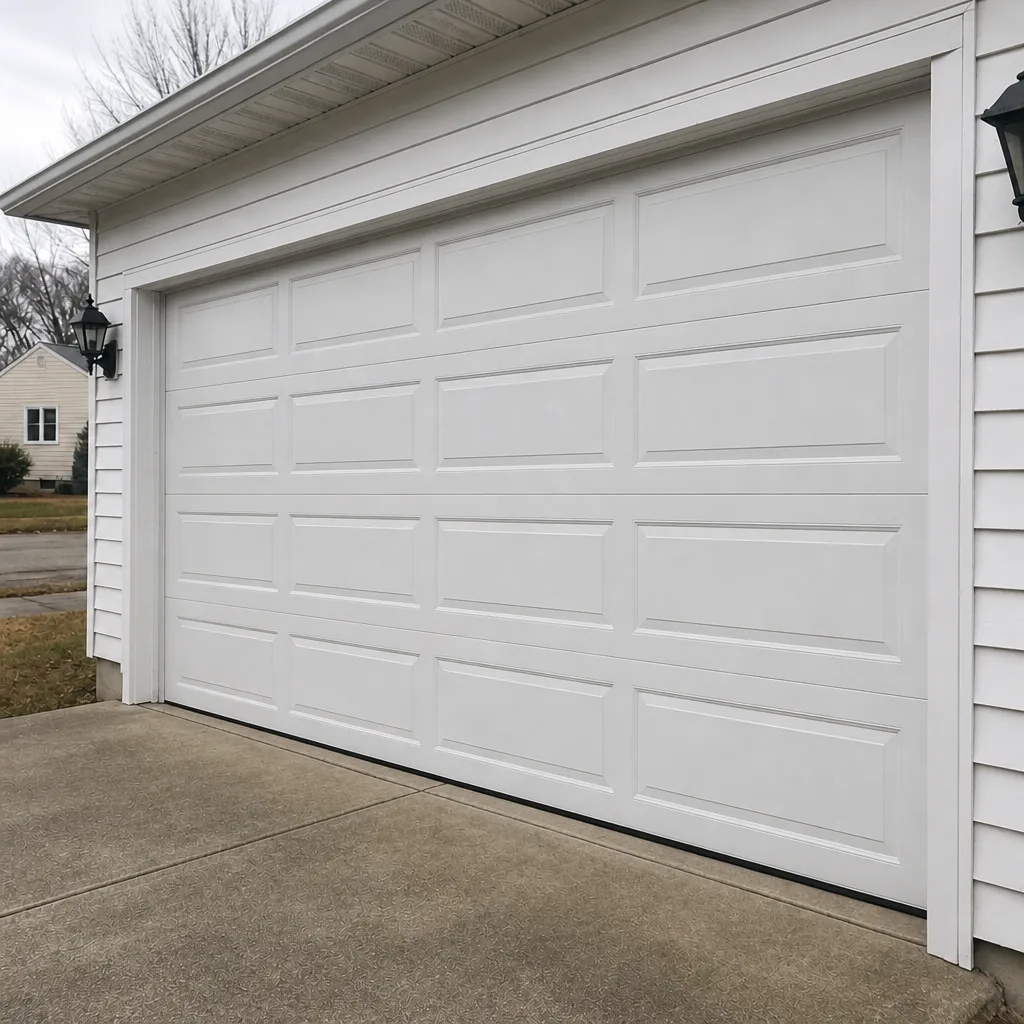
See the difference
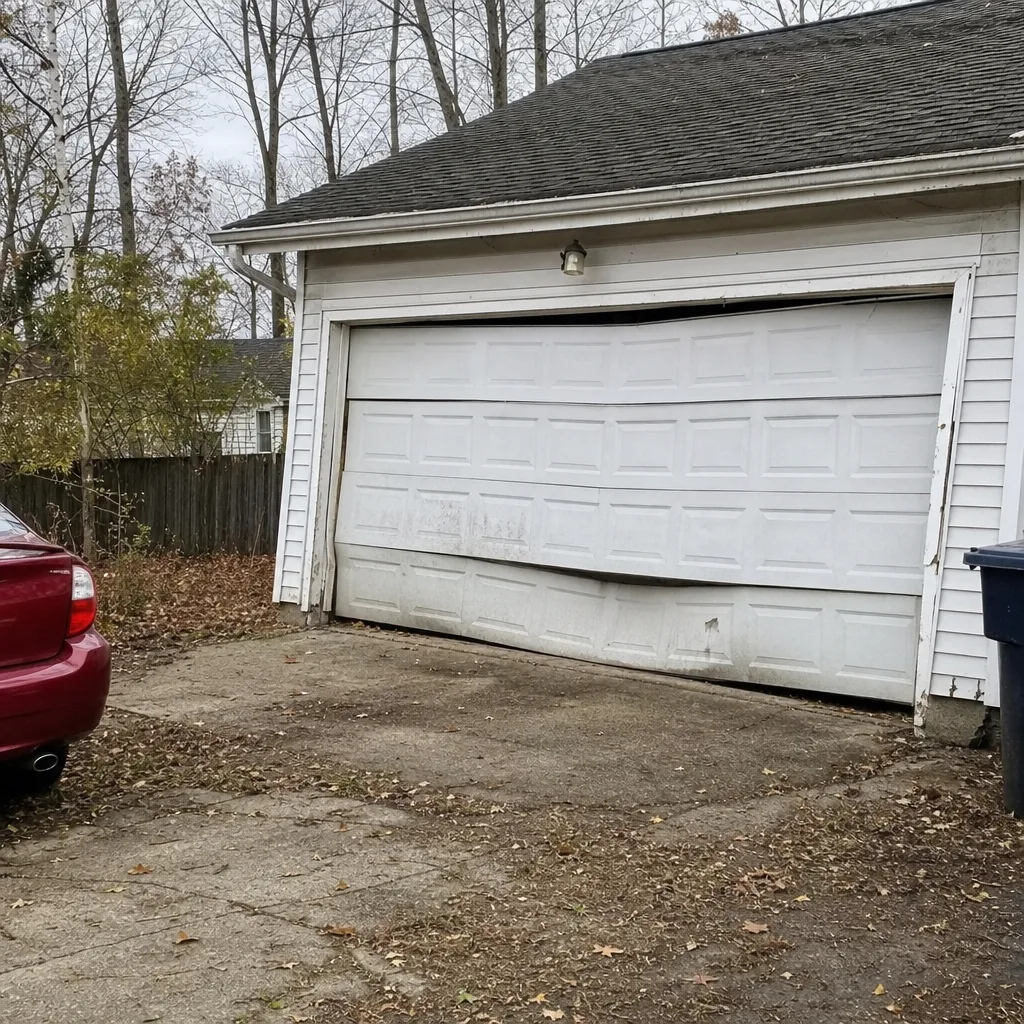 Before
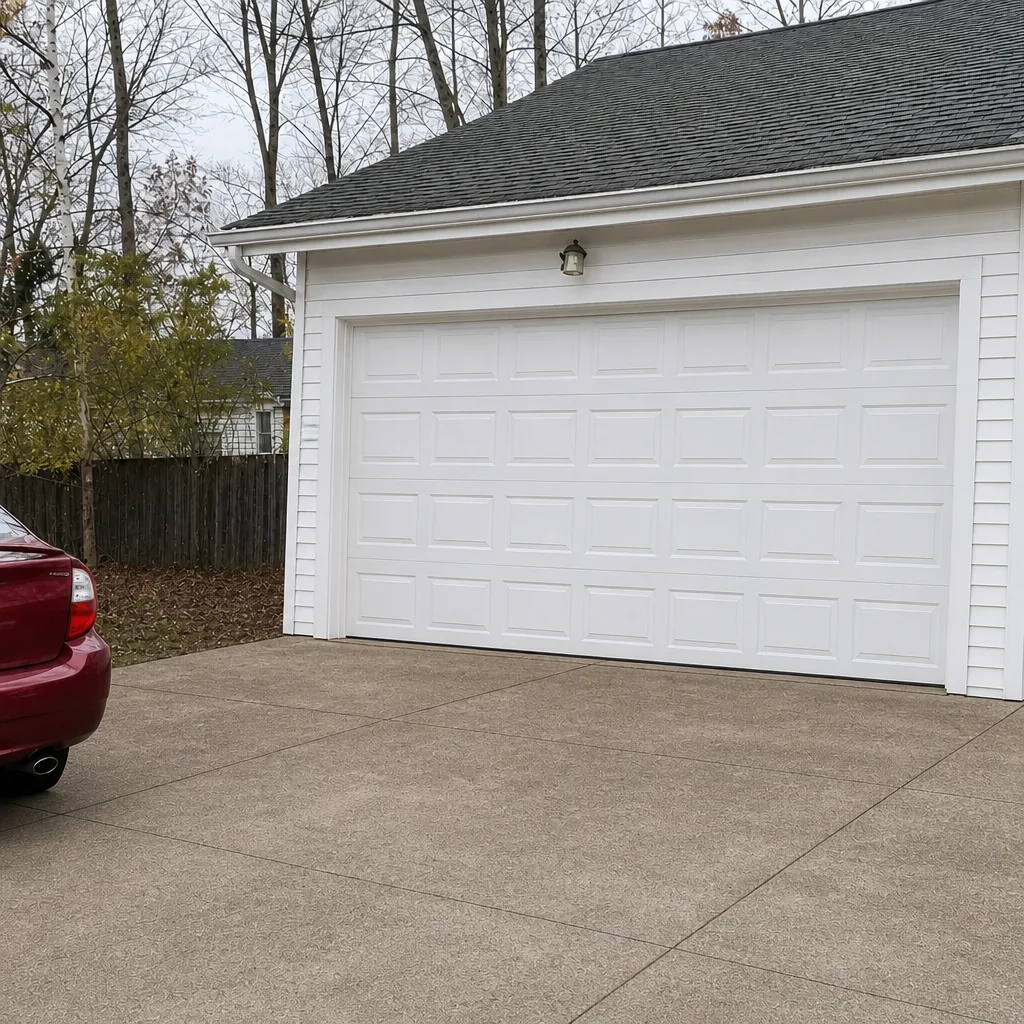 After
 Before
 After
 Before
 After