Last updated November 22, 2026
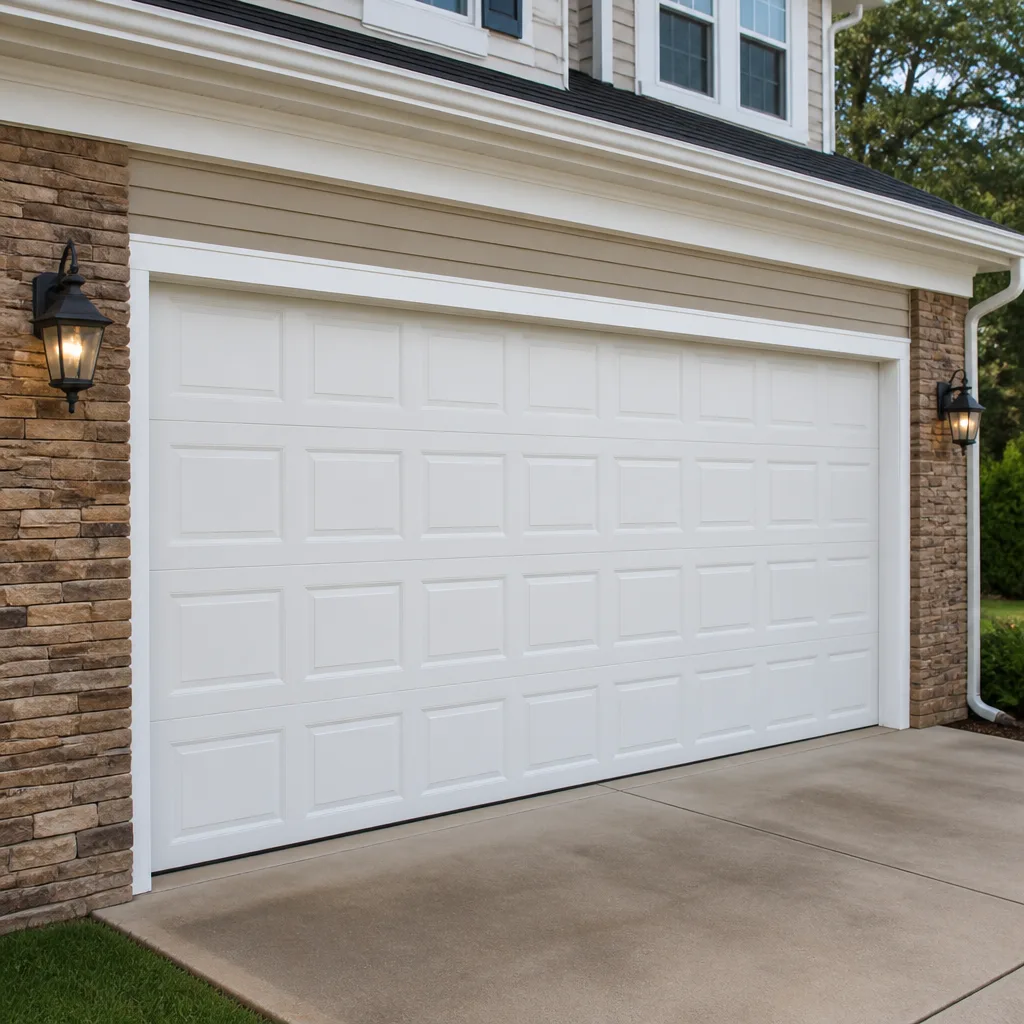 Raised-panel steel
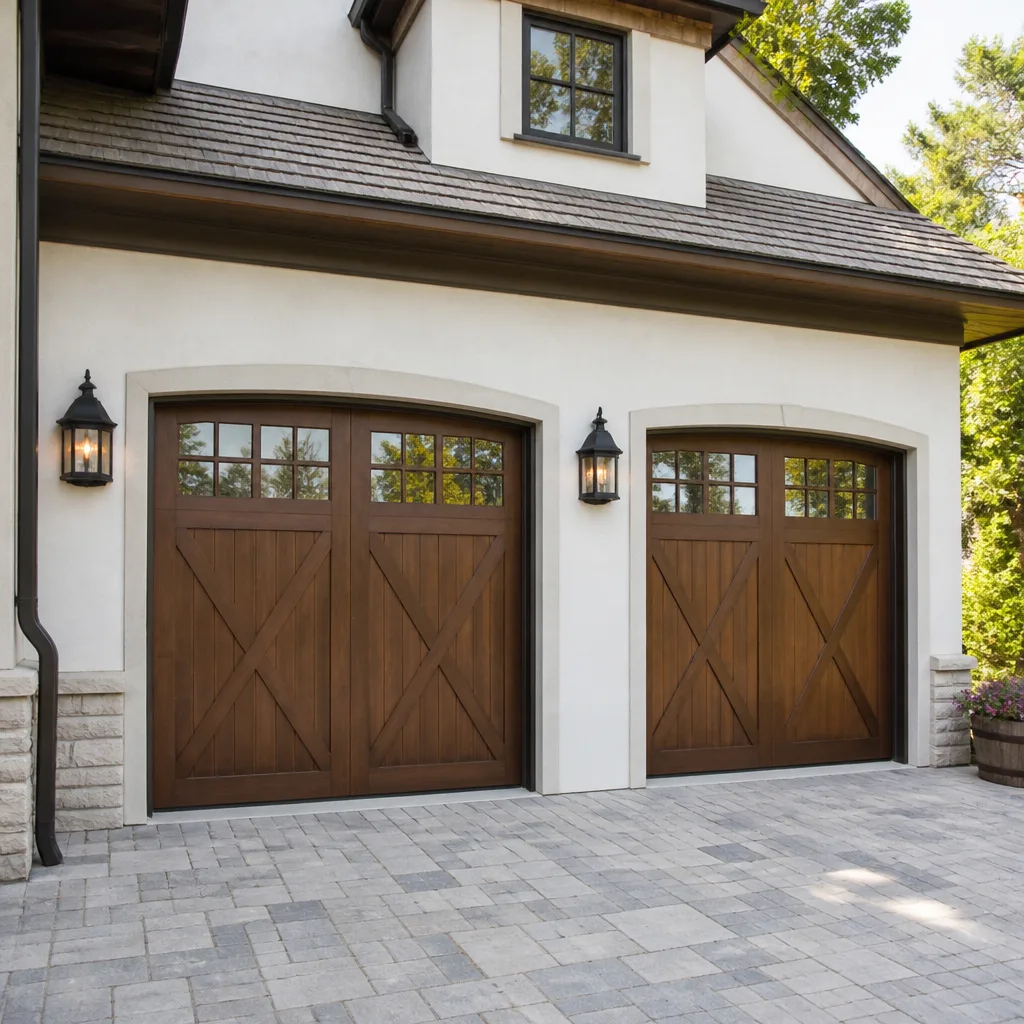 Carriage house
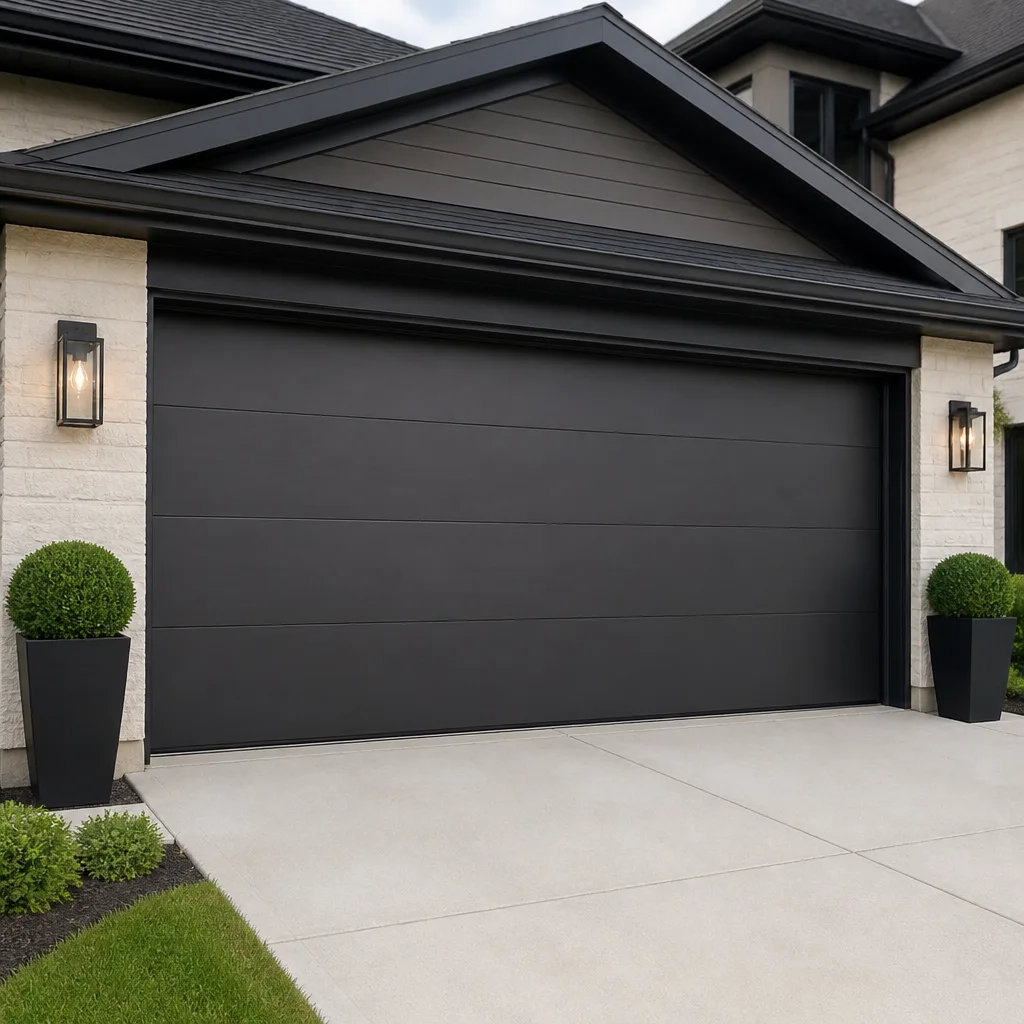 Modern flush
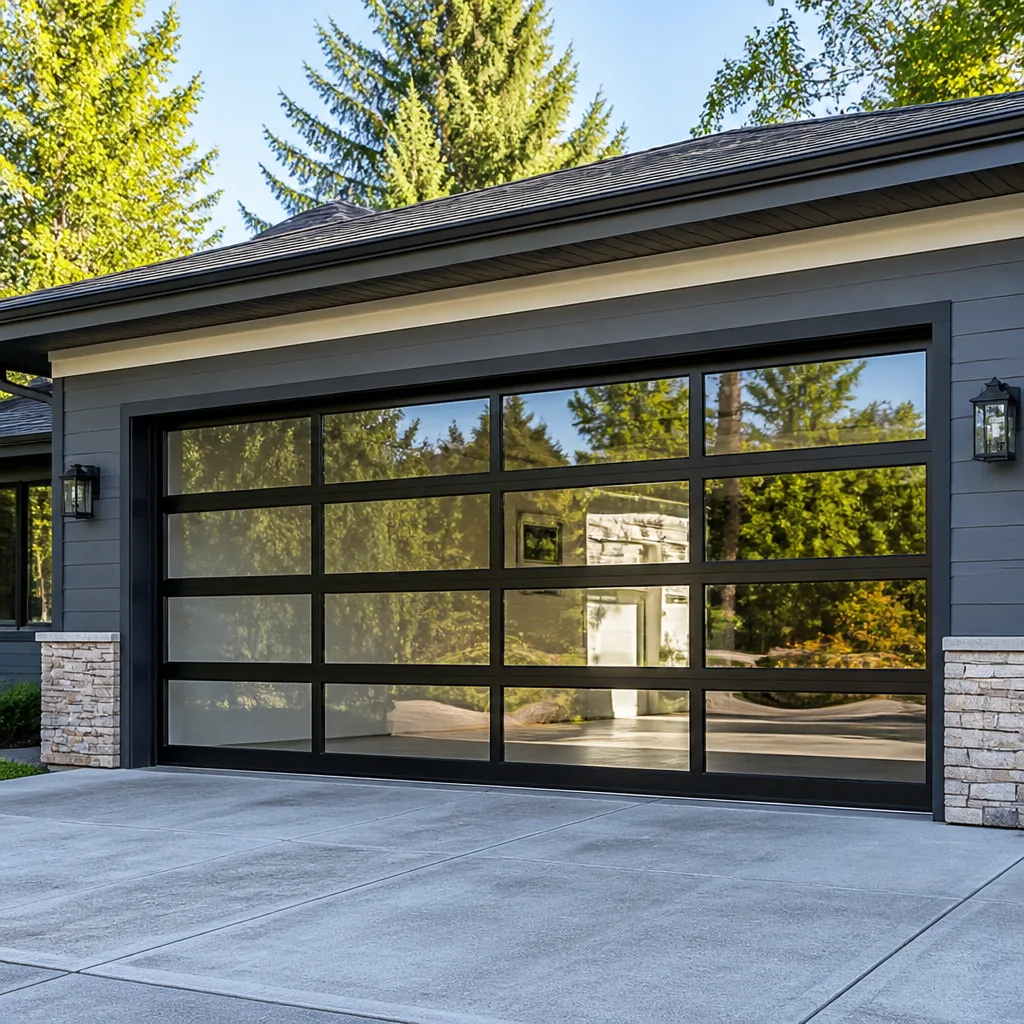 Full-view glass
 LiftMaster openers
 Chamberlain openers
Full 25-point door and opener safety check with every visit - springs, cables, rollers, tracks, and your LiftMaster or Chamberlain opener included
You get a price before we start. It does not change when the pro arrives.
Get your free estimateGarage Door Warning Signs: A Youngstown Homeowner’s Reference Guide
A garage door that moves unevenly by even one inch from side to side isn’t a cosmetic issue. It usually means one spring or cable is now compensating for a failed counterpart, and the side still under load is carrying roughly double the tension it was engineered for. That’s the part most homeowners miss: the door still opens, so it feels fine. It isn’t. A squeaky roller and a fraying cable are both “problems,” but one is a maintenance note and the other can bring a 200-pound door down. This guide ranks the common signs by real risk, so you know what stops you from using the door today and what goes on your to-do list. It’s written from Youngstown, for Youngstown.
Quick Answer
Garage door warning signs fall into three risk tiers. Tier 1 (stop using the door now): a snapped torsion spring, a broken or fraying cable, a door hanging off its tracks, or a door that slams shut. Tier 2 (schedule repair this week): a door that moves unevenly, a grinding or scraping noise, an opener that strains, or a door that reverses on its own. Tier 3 (monitor and maintain): squeaks, a slightly noisy roller, a weathered bottom seal, or a photo-eye that needs cleaning. When in doubt, treat any sudden change in how the door moves as a Tier 1 until a trained technician says otherwise.
Styles & brands we work with
- Raised-panel steel
- Carriage house
- Modern flush
- Full-view glass
- LiftMaster openers
- Chamberlain openers
Table of Contents
- The Three Risk Tiers, Explained
- Tier 1: Signs That Mean Stop Using the Door Now
- Tier 2: Signs That Mean Schedule Repair This Week
- Tier 3: Signs You Can Monitor and Maintain
- Why the Type of Noise Matters
- How to Read Your Cables Before They Snap
- The Balance Test: Catching a Failing Spring Early
- Youngstown-Specific Signs That Show Up After a Hard Winter
The Three Risk Tiers, Explained
Every garage door symptom you’ll read about on this page gets sorted into one of three buckets. The bucket depends on one question: if this part fails completely while you’re standing under the door, can it hurt someone? If the answer is yes, it’s Tier 1. If the answer is “the door stops working and the repair gets more expensive,” that’s Tier 2. If the answer is “nothing breaks today, but it will eventually,” that’s Tier 3.
This ranking matters in Youngstown because our winters put extra stress on every moving part. Freeze-thaw cycles flex the concrete, road salt works its way onto hardware, and doors that sat through a cold snap often develop problems that weren’t there in October. Knowing which tier a symptom belongs to keeps you from overreacting to a squeak and under-reacting to a cable that’s about to let go.
- Tier 1 – Stop now: spring failure, cable damage, off-track door, door that won’t stay up.
- Tier 2 – This week: uneven travel, new grinding, opener strain, door reversing unexpectedly.
- Tier 3 – Monitor: noise, weather seals, lubrication, photo-eye alignment.
When a sign lands in Tier 1, the right move is to leave the door closed if you can, and call for Garage Door Repair Youngstown rather than cycling it to “see if it’s really broken.” Every cycle on a compromised cable or spring adds risk.
Tier 1: Signs That Mean Stop Using the Door Now
These are the signs where continuing to operate the door can cause injury or turn a repair into a full replacement. A torsion spring under tension holds enough stored energy to cause serious injury in a fraction of a second, and a door that’s lost one side of its lift support is heavier than it looks. If you see any of the following, stop cycling the door and call a trained professional.
- A loud bang from above the door. That’s usually a torsion spring breaking. The door will suddenly feel extremely heavy or won’t open at all.
- A visible gap or frayed strands in a cable. Cables run along the sides under high tension. A cable with even a few broken strands is on its way to failing.
- The door is off its tracks. You’ll see rollers out of the channel or the door sitting crooked. Don’t try to force it back in.
- The door won’t stay up when you lift it partway. This points to a failed spring or a balance problem that puts the full weight on the opener and on you.
- A door that drops or slams. If the door falls faster than it should on the way down, the counterbalance is compromised.
- Broken hinges or a bent bottom bracket. These are structural points. A cracked bracket can let the cable release suddenly.
We treat garage door spring repair as its own named specialty rather than a catch-all repair, because spring and cable work is the most safety-sensitive part of the trade. If you’re not sure whether what you’re seeing is Tier 1, err on the side of leaving the door down until someone qualified looks at it. There’s no upside to one more test cycle.
Tier 2: Signs That Mean Schedule Repair This Week
Tier 2 problems don’t usually hurt anyone today, but they get worse fast and they cost more the longer you wait. A door that’s out of balance wears out the opener motor, the rollers, and the hinges at the same time. Catching it in Tier 2 is where a repair stays simple.
- Uneven travel. One side reaches the floor before the other by an inch or more. This often signals one spring or cable doing more work than the other, and the loaded side is under extra tension.
- New grinding noise while opening or closing. Usually rollers, hinges, or a dry track. Not an emergency, but it accelerates wear.
- The opener strains or hesitates. If the motor sounds like it’s working harder than it used to, the door’s balance or the opener’s drive is the likely culprit. This is a good moment to look at garage door opener repair.
- The door reverses before hitting the floor. Could be a misaligned photo-eye or a travel-limit setting. Worth fixing promptly, since a door that reverses unpredictably is a nuisance and a safety concern.
- Visible sagging in the middle of a sectional door. Often a hinge or panel issue that worsens with each cycle.
In our experience, most Tier 2 calls are the point where a small fix keeps a spring from becoming a full spring-and-cable job. Our technicians have up to 8 years of experience reading exactly these symptoms. If you’re in Youngstown and the door has changed how it behaves since fall, that’s worth a look this week rather than next month.
Tier 3: Signs You Can Monitor and Maintain
Tier 3 is the maintenance layer. None of these signs will break your door tomorrow, but each one shortens the life of something if it’s ignored for a season or two. Most you can watch yourself between professional visits.
- A light squeak or squeal. Usually a roller or hinge that needs lubrication. A good sign for a routine tune-up, not a reason to stop using the door.
- A single noisy roller. One noisy roller out of ten is normal wear. Track which one and mention it at your next service.
- A weathered or cracked bottom seal. Common after a Youngstown winter. It lets drafts, water, and pests in, and it’s a straightforward replacement.
- A photo-eye that gets dirty. Wipe it clean and the door will usually close normally again. If cleaning doesn’t fix it, that moves up to Tier 2.
- Cosmetic scuffs, dents, or faded paint. Not a function problem, but a dented panel can hide a bent hinge, so check the hinge line if a panel takes a hit.
Keeping a log helps. Note the date each sign appeared and whether the door still opens and closes normally. When you call for service, that history lets a technician zero in faster. It also tells you when a Tier 3 sign has quietly become Tier 2, which is the jump most homeowners miss.
Why the Type of Noise Matters
The kind of noise a garage door makes tells you which part is struggling. A grind, a bang, a scrape, and a rattle each point to a different system. Listening closely is one of the fastest diagnostic tools you have.
- Grinding: usually roller, hinge, or bearing wear. Metal on metal with no lubrication. Usually Tier 2, sometimes Tier 3 if it’s faint and recent.
- A single loud bang: almost always a torsion spring breaking. That’s Tier 1. Stop using the door.
- Scraping: often track misalignment or a door rubbing the frame. Tier 2, because a misaligned track puts stress on the rollers and cables.
- Rattling: loose hardware, like hinges or bolts that have worked loose over a winter of temperature swings. Usually Tier 3 unless something is actually loose enough to fall.
- Clicking near the opener head: sometimes the opener’s gear or drive. Worth checking the opener specifically with a specialist.
Where the sound comes from helps too. A noise from the top center points at the spring system. A noise along one side points at a cable, track, or roller on that side. A noise from the ceiling unit points at the opener. In Youngstown, we hear a distinct uptick in grind and scrape calls after the first hard freeze, when hardware that loosened over summer starts to show it.
How to Read Your Cables Before They Snap
Garage door cables run along each side, under tension, from the bottom bracket up around the drum at the top of the track. A cable rarely snaps without warning. It frays first, and a frayed cable is a Tier 1 sign even if the door still moves. Look from a safe distance, with the door fully closed and the opener unplugged, and don’t touch the cable.
Fraying looks like a small bird’s nest of loose wire strands poking out of the cable’s braid, usually near the drum at the top or the bracket at the bottom. You might also see a kink, a flattened spot, or a cable that’s jumped out of its groove on the drum. Rust-colored staining along the length is another clue, because it means the cable’s protective coating has been compromised. Any of these is a reason to call before the door cycles again under load.
We can work with your insurer if a cable failure leads to a claim, but the better outcome is catching it early. This is one area where a trained eye beats a homeowner’s best guess. The tension in a live cable is not something to test by hand, and the correct repair is not a hardware-store kit. It’s the work a specialist should do, and it’s a good reason to have someone who’s fluent in this hardware, including Clopay and Amarr systems as well as older doors, look at it directly.
The Balance Test: Catching a Failing Spring Early
A spring usually fails gradually before it breaks outright. The balance test is a simple way to notice a spring losing strength, so you can book a repair before it becomes a Tier 1 emergency. It’s safe when done carefully. Don’t attempt it if the door is already off its tracks, hanging crooked, or won’t lift at all.
- Close the door and disconnect the opener. Pull the manual release cord so the door is free of the motor.
- Lift the door by hand to about waist height. It should feel manageable, not heavy.
- Let go gently. A balanced door stays where you left it, or drifts only a few inches.
- Watch what happens. If the door drops quickly or slams shut, the spring has lost tension. If it springs upward, it may be over-tensioned. Both are reasons to call.
- Reconnect the opener only after the door is back down and behaves normally. If the test worried you, leave it open to a professional.
Most garages in Youngstown pass this test easily in mild weather and then start failing it in the cold, when springs contract and stiffen. A door that balanced fine in September but drops in January is telling you the spring is near the end of its life. This is a Tier 2 signal that no opener adjustment will fix. It calls for a proper spring inspection and, likely, replacement.
Youngstown-Specific Signs That Show Up After a Hard Winter
Youngstown winters are hard on garage doors in ways that don’t show up in milder climates. Freeze-thaw cycles, ice, and road salt each leave their own signature, and some of these signs look like cosmetic issues until you know what to check. These are the local ones worth a second look each spring.
- Frost heave gaps. The concrete slab under the door can lift slightly as the ground freezes and thaws, opening a gap under the bottom seal. Look for daylight or a draft along the floor. If the gap is uneven from one side to the other, it’s not just the seal – the door may be sitting out of balance, which is Tier 2.
- Ice-damaged seals. Water that gets under the bottom seal, freezes, and expands will tear the rubber. A cracked seal lets in water and cold air all year. Tier 3, and easy to replace.
- Salt-corroded bottom brackets. Road salt tracked onto the garage floor eats into the metal of the bottom bracket over time. If you see flaking rust or pitting on the bracket, that’s Tier 1. A corroded bracket can fail under the cable’s tension, so it should be checked by a professional.
- Stiff or slow travel in cold snaps. Cold thickens lubricant and stiffens springs. If the door feels noticeably slower or heavier in January than it did in October, the balance test will tell you whether it’s a real problem or the season.
We see these signs across Youngstown and the surrounding neighborhoods, and the pattern is consistent: the door that got through the winter with a small seal tear is fine; the one that got through it with a rusty bracket is one cycle away from a call. If spring cleanup turns up any of these, get it looked at before the door goes into summer heat, when the same hardware gets its second workout.
Common Mistakes to Avoid
- Cycling the door “just to see.” When a sign is Tier 1, each additional cycle adds risk. Stop the door, then call. This is true whether you’re in Youngstown or anywhere the temperature swings.
- Assuming a slow door is a temperature problem. A door that slows in the cold may be a failing spring, not just stiff lubricant. Run the balance test before you dismiss it.
- Greasing a grinding noise away. Lubrication helps a squeak. A grind usually means a worn roller, hinge, or bearing, and grease won’t fix worn metal.
- DIY spring replacement. Torsion springs store enough energy to cause serious injury. This is a job for a trained professional, not a weekend project.
- Ignoring salt corrosion on the bottom brackets. In Youngstown, winter salt is a real factor. A rusty bottom bracket is a safety item, not a cosmetic one.
- Adjusting the opener to “fix” a balance problem. If the door itself is out of balance, a stronger opener setting just masks the issue and wears out the motor faster.
- Treating a single noisy roller as urgent. It’s usually Tier 3. Track it and mention it at your next service rather than paying for an emergency call.
See the difference
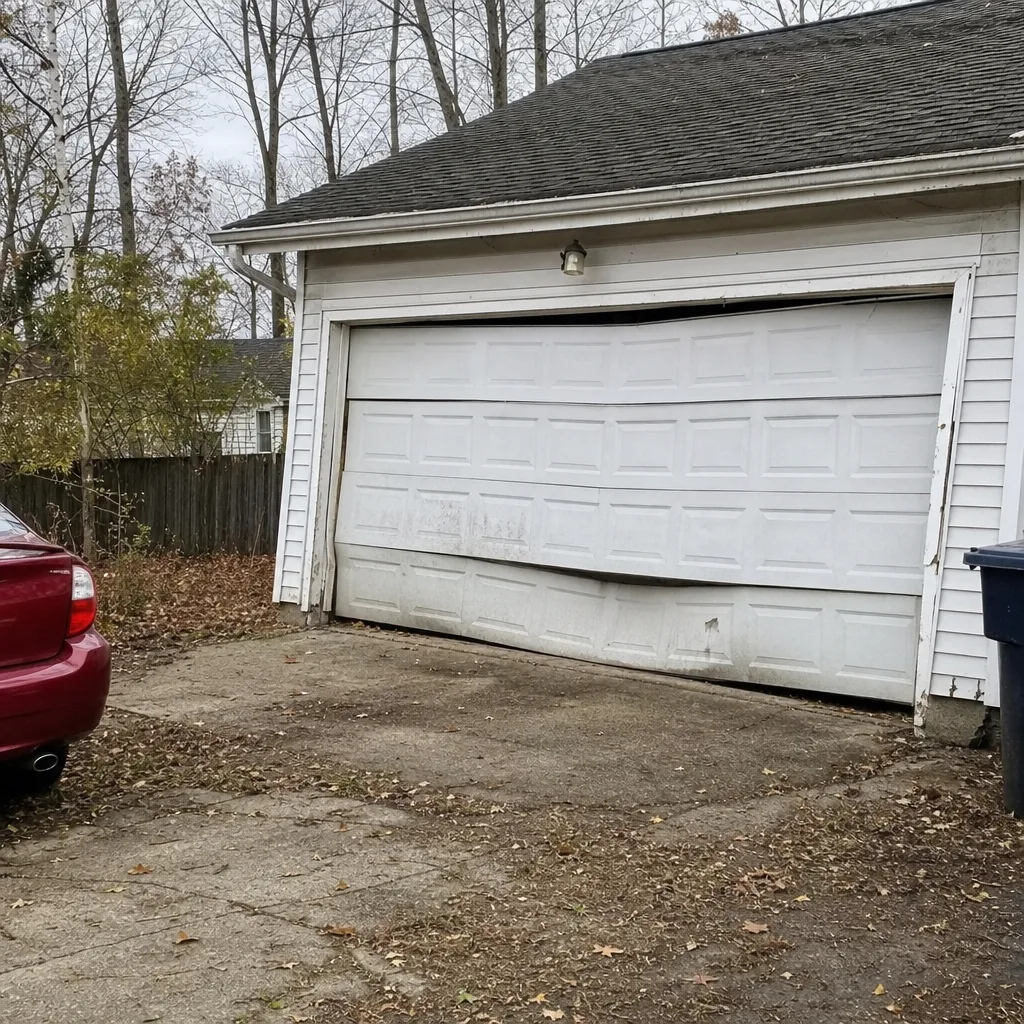 Before
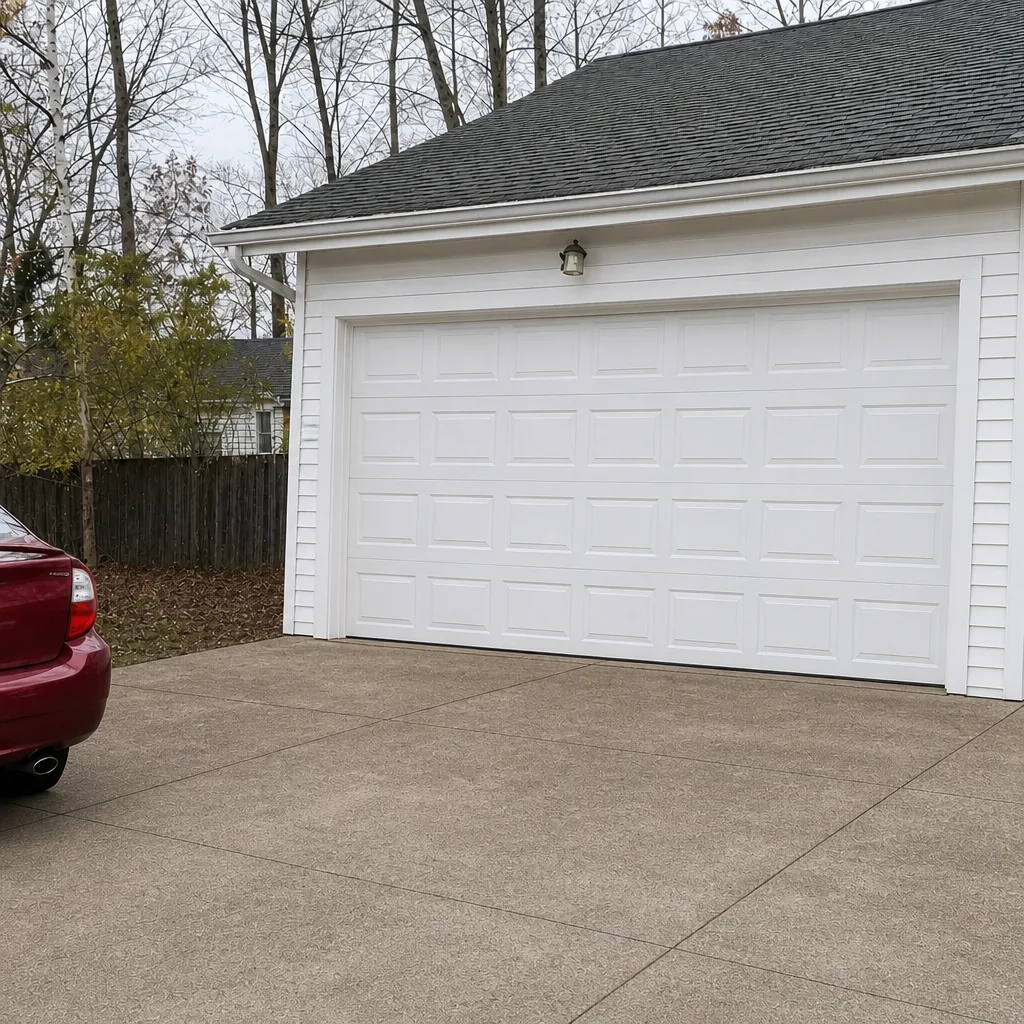 After
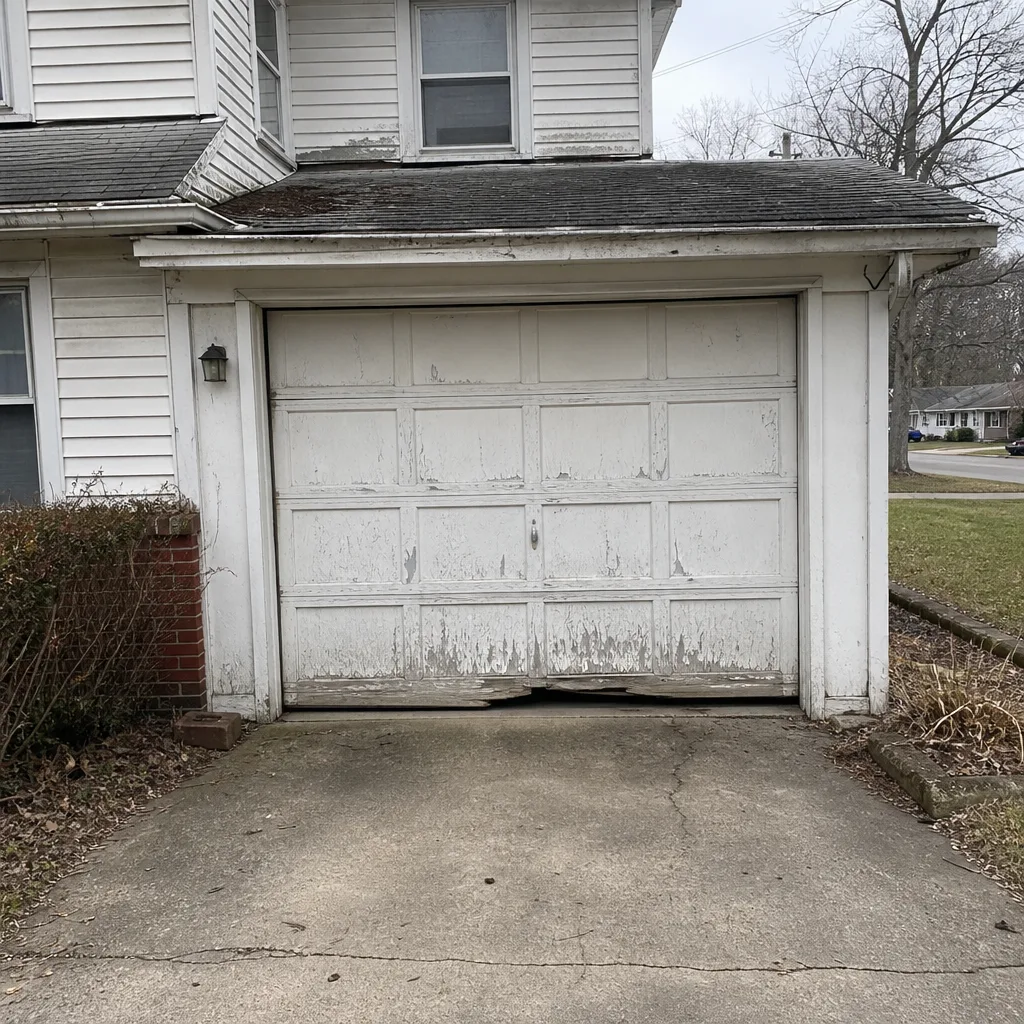 Before
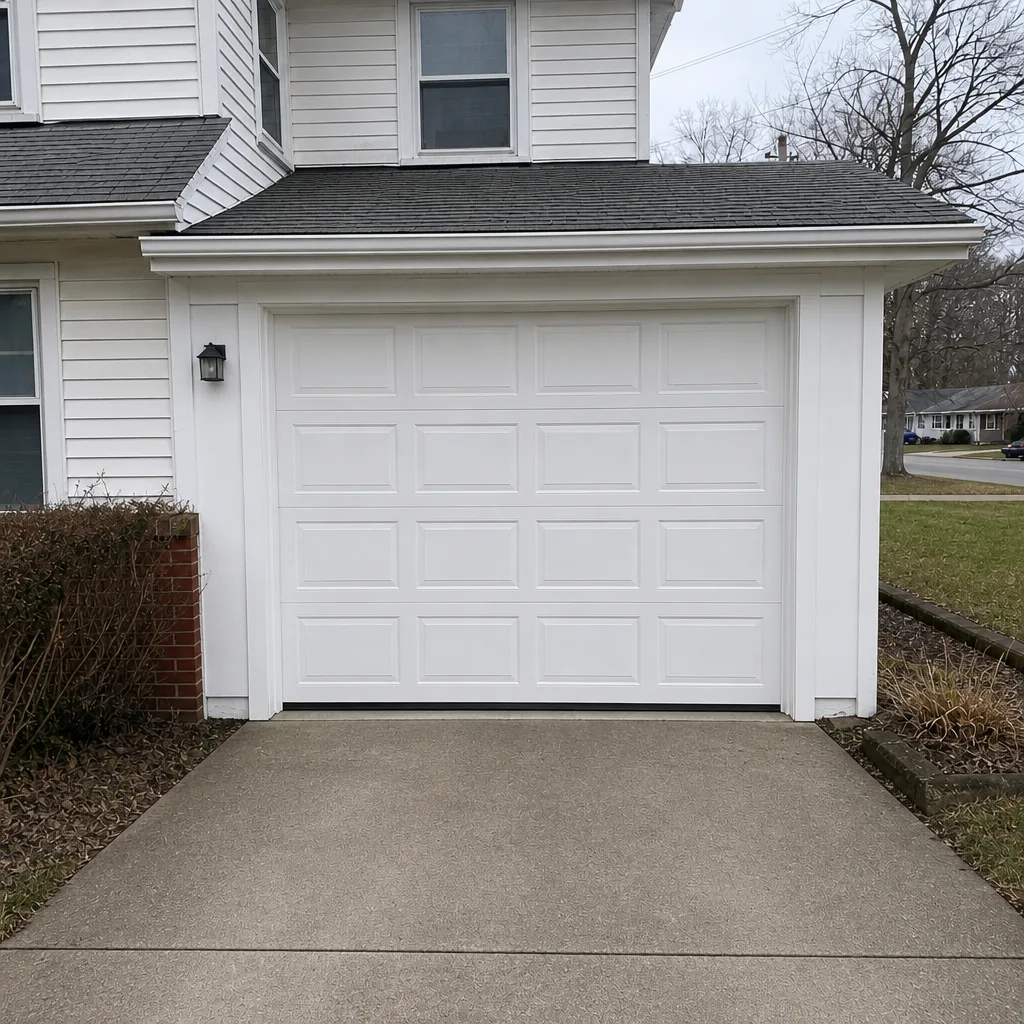 After
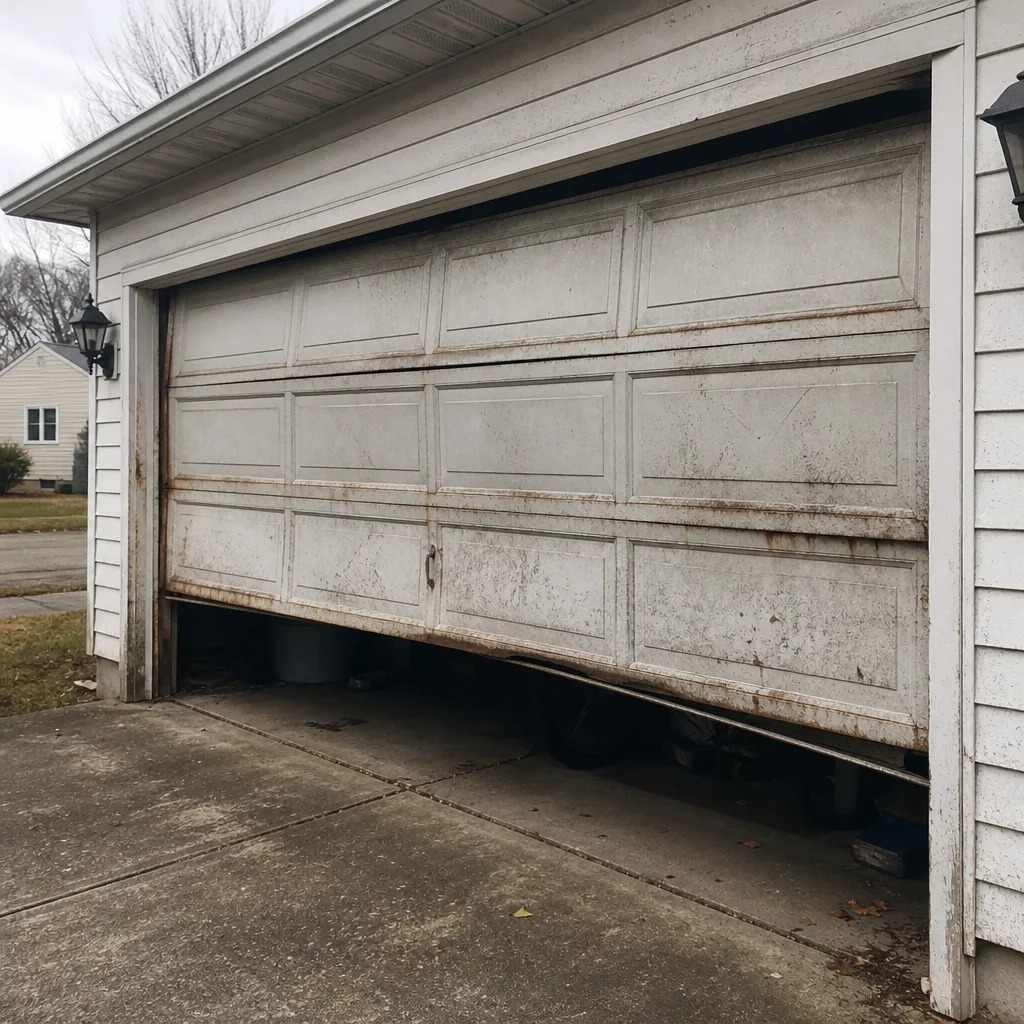 Before
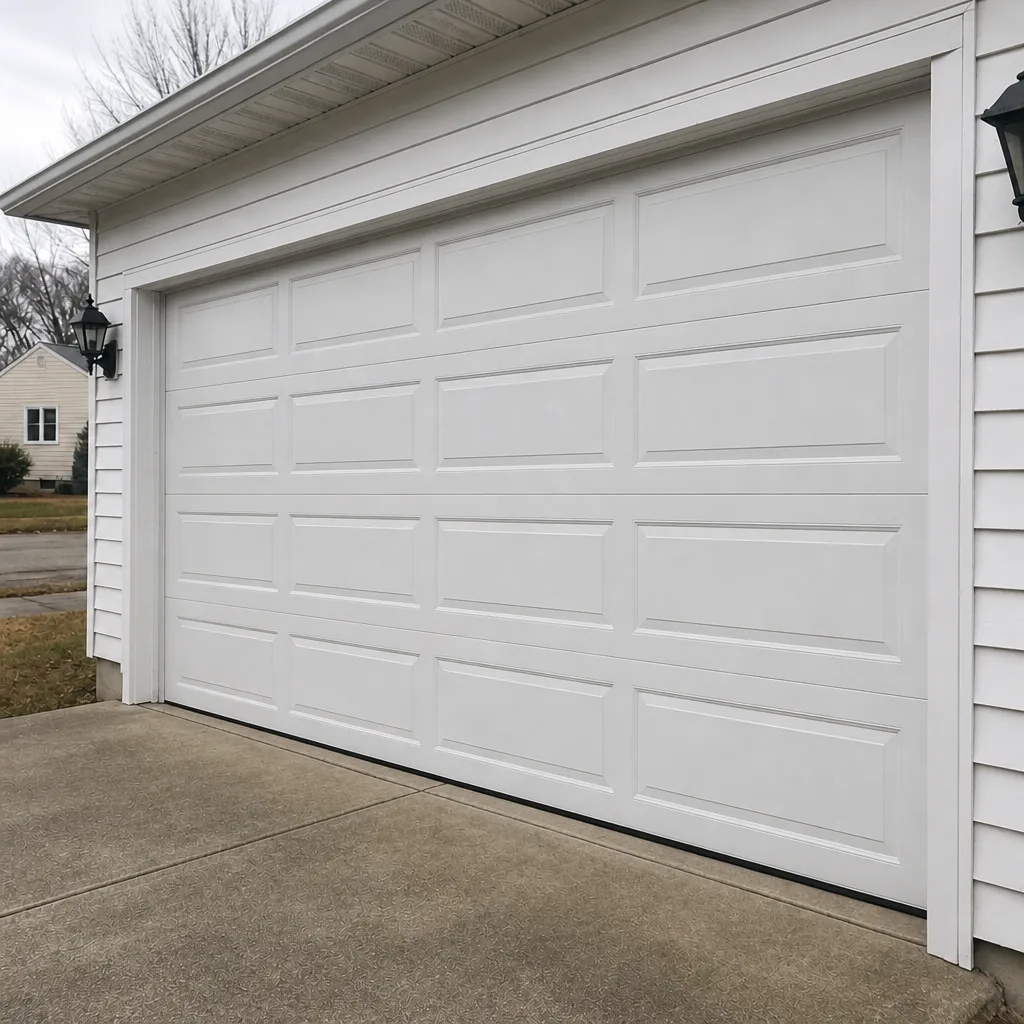 After
When to Call a Professional
Call a professional the moment a symptom lands in Tier 1: a bang from the spring, a frayed cable, an off-track door, a door that won’t stay up, or a corroded bottom bracket after a Youngstown winter. Those are safety items and shouldn’t wait. For Tier 2 signs like uneven travel, new grinding, or a reversing door, schedule a visit within the week so a small fix doesn’t become a full component replacement. If you’re not sure which tier your door is in, describe what you see and a specialist can walk you through it. Garage Door Repair Youngstown offers free estimates in Youngstown – call (888) 694-1055. We work on the brand already in your garage, from Chamberlain and Genie openers to Clopay and Amarr doors, and garage doors are all we do.
Frequently Asked Questions
A loud bang from the spring area followed by a door that won’t open or feels extremely heavy is the most serious sign – it usually means a torsion spring has broken. Stop using the door and call a trained professional. Any damaged cable or an off-track door is equally urgent. Call (888) 694-1055 for an exact quote – estimates are free.
It depends on the tier. If the sign is Tier 1 – spring failure, cable damage, off-track door, or a door that won’t stay up – stop using it. Tier 2 and Tier 3 signs usually let you keep operating the door while you schedule repair. When in doubt, treat it as Tier 1 until a specialist has looked at it.
A grinding noise usually means worn rollers, hinges, or bearings, and sometimes a dry or misaligned track. It’s typically a Tier 2 sign, not an emergency, but it accelerates wear the longer you leave it. If the grind is new and persistent, book a repair this week. Call (888) 694-1055 for an exact quote – estimates are free.
A frayed cable shows loose wire strands poking out of the braid, usually near the drum at the top or the bracket at the bottom. You may also see kinks, flattened spots, or rust staining. Any of these is a Tier 1 sign, and the door should stay closed until a professional checks it.
Run the balance test: disconnect the opener, lift the door to waist height, and let go. A balanced door stays put. If it drops or slams, the spring has lost tension. Cold weather makes springs more likely to fail, so a door that balanced in fall but drops in January needs a professional look.
We’re closed on Saturday and open Sunday through Friday, 7am to 7pm. If a door fails on a Saturday, you can call and we’ll book you for Sunday. For Tier 1 problems, call (888) 694-1055 and we’ll get you scheduled as soon as we’re open – estimates are free.
We service all major residential brands, including LiftMaster, Chamberlain, Genie, Clopay, Amarr, Wayne Dalton, Craftsman, and Raynor. Our technicians know the specific tolerances and quirks of each system, so you don’t need to guess which shop to call for your door. Call (888) 694-1055 for a free estimate.
The Bottom Line
Garage door warning signs aren’t all the same, and treating them that way leads to either overpaying for a squeak or ignoring a cable that’s about to fail. Use the three tiers: stop now for spring, cable, or track problems; schedule this week for balance and noise issues; monitor the rest. In Youngstown, pay special attention after winter to frost heave gaps, torn seals, and salt-corroded bottom brackets – those are local signs that a milder climate wouldn’t show you. Run the balance test when the door feels different. When you’re not sure which tier you’re in, call a specialist rather than cycling the door again. Garage doors are all we do, and the price is agreed before any work starts.
Written by the team at Garage Door Repair Youngstown.